
China Used Construction Machinery Supplier vs Marketplace vs Auction: Which Buying Route Is Safer in 2026?
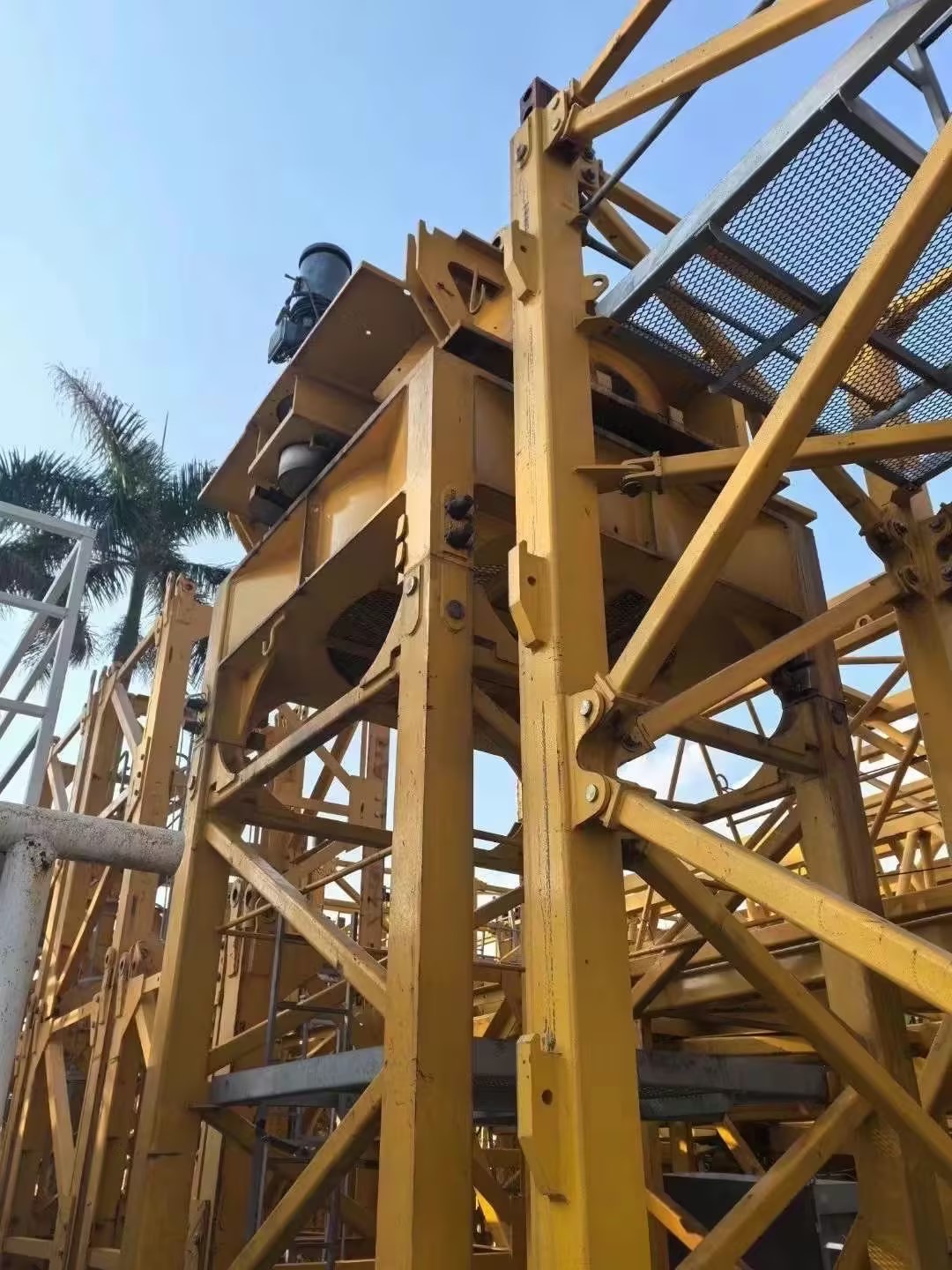
A decision-first guide for overseas buyers choosing between a China used equipment supplier, online marketplace and auction, with risk map, evidence checklist, buying advice and export-readiness framework.
Expert reviewed by Lee, Used Construction Machinery Export Consultant
China used equipment sourcing, inspection evidence and export-risk control specialist at Sxmachine
Lee helps overseas contractors and equipment dealers compare used construction machinery offers from China by seller type, real-stock evidence, inspection depth, export document readiness, payment milestones and total landed risk.
Should I buy used construction machinery from a supplier, marketplace or auction?
Direct answer: choose a dedicated China used equipment supplier when you need inspection evidence, model matching, export documents and shipment coordination. Use a marketplace when you are still researching price ranges and model availability. Use an auction only if you can inspect the machine yourself, understand repair cost and accept limited after-sale control.
The safest buying route is not always the cheapest listing. For overseas buyers, the real risk is not only machine price; it is whether the crane, hoist, excavator or truck crane can arrive with the exact configuration, usable condition, included accessories and export documents promised before payment.
A practical rule: if the machine must work immediately after arrival, buy through a supplier who can build a proof file. If you only need market intelligence, browse marketplace listings. If you are a repair-capable dealer with cash reserve, auctions may create opportunity, but they should be treated as risk inventory rather than ready-to-work equipment.
What is the real difference between these three buying routes?
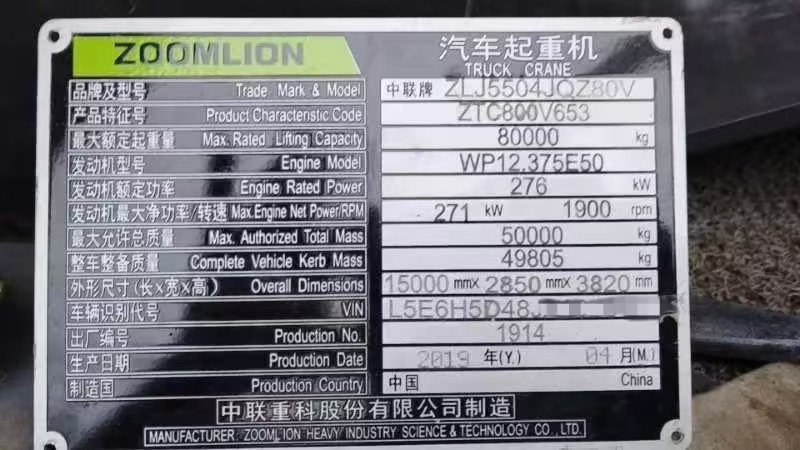
Most buyers compare these routes by price. That is the wrong first question. A better question is: who owns the responsibility for evidence, inspection, payment milestones, missing accessories, loading photos and export files?
A marketplace is a search tool. It gives many offers but the buyer must filter quality, identity, stock reality and export readiness. An auction is a price-discovery tool. It may provide transparent bidding, but the buyer often accepts limited condition guarantees. A dedicated supplier is a coordination tool. The value is not just finding a machine; it is connecting the machine, proof, payment, packing and shipment into one controlled process.
For high-risk categories such as used tower cranes, construction hoists, crawler cranes and large truck cranes, the route with the strongest evidence is usually better than the route with the lowest headline price.
Why can marketplace listings look cheap but still cost more after arrival?
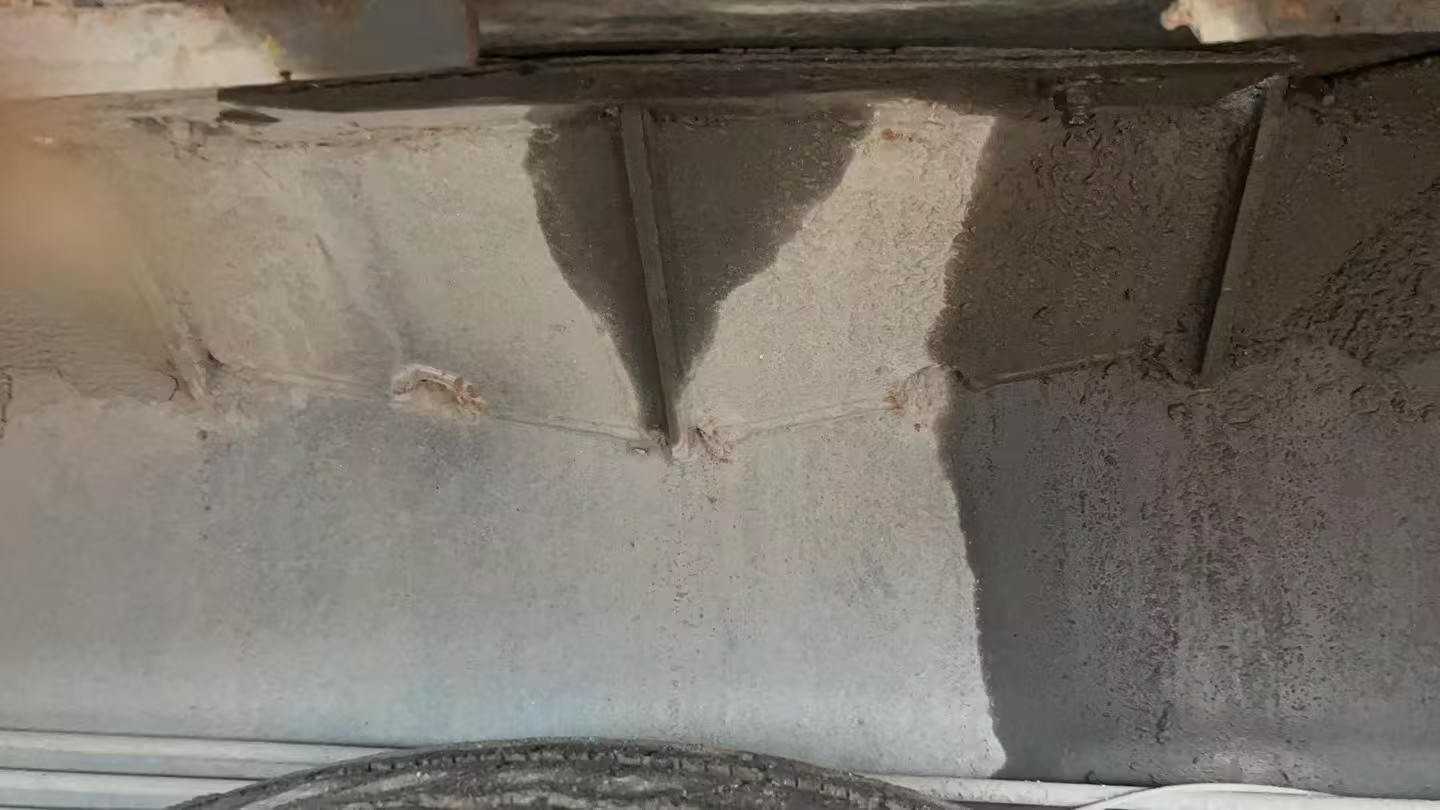
Marketplace listings can be useful, but they often compress the machine into a few photos, a model name and a price. The missing part is what overseas buyers actually pay for later: verification, dismantling scope, mast or counterweight quantity, loading method, local transport, documents and first repair.
The biggest marketplace risk is duplicate or outdated photos. A beautiful photo can represent a machine that is already sold, repaired, incomplete or located far from the export port. Buyers should ask for same-day photos, a short action video, visible serial or model evidence, and a written included-parts list before treating the price as real.
Use marketplaces for research, but do not treat a marketplace price as a landed-cost quote unless the seller can confirm current stock, condition proof, accessory scope, export documents and shipping route.
When does an auction make sense for used cranes and heavy equipment?
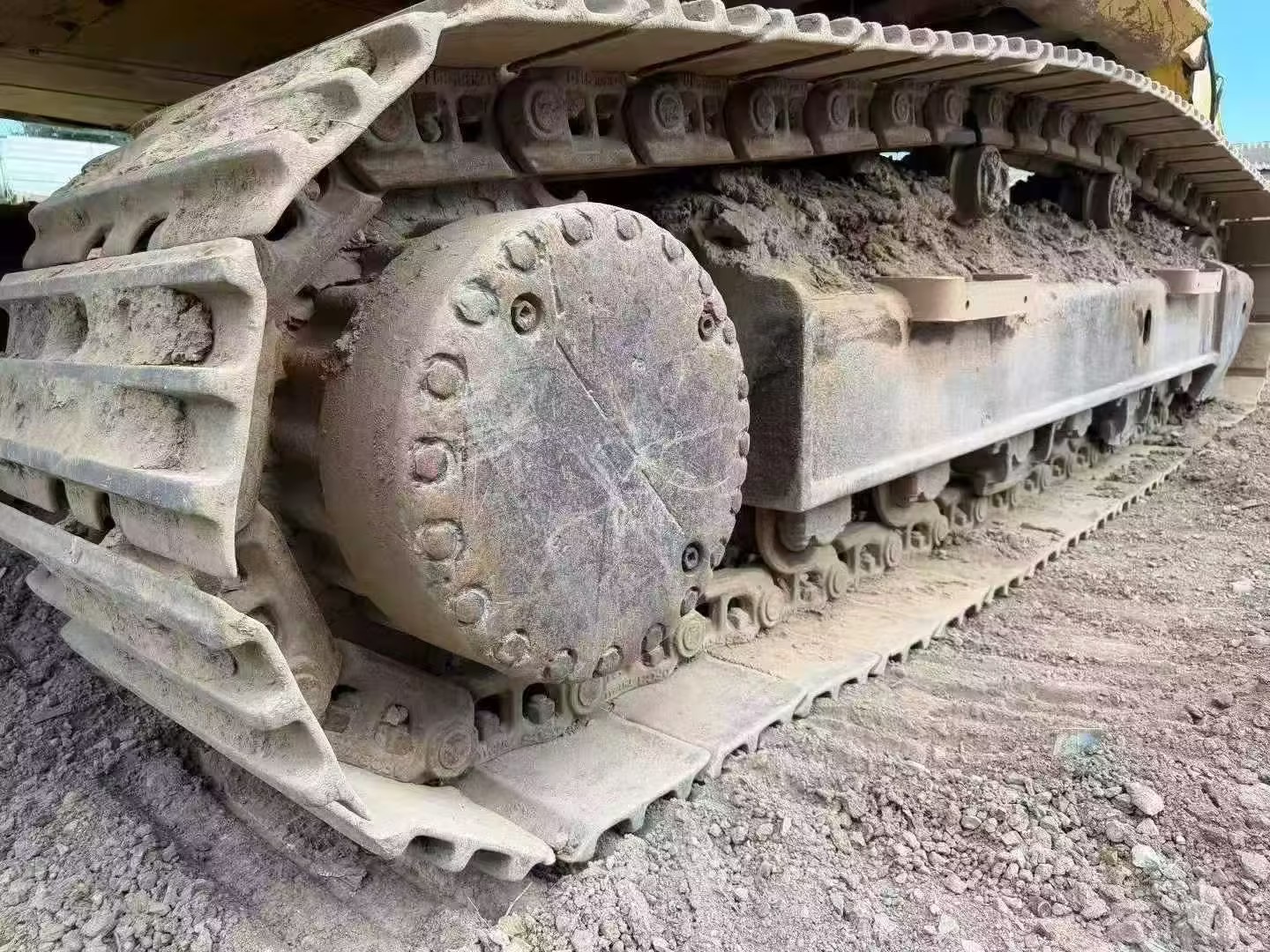
An auction makes sense when the buyer has technical inspection ability, repair resources, spare-parts access and enough cash reserve after winning the bid. It is not ideal when the buyer needs a fully prepared export package or expects the seller to solve every condition problem after payment.
Auction buying can work for dealers who are comfortable with uncertainty. It is less suitable for a contractor buying one key machine for a project deadline. If the machine has hydraulic issues, missing attachments, weak tires, incomplete counterweights or no export preparation, the saved purchase price can disappear quickly.
Before joining an auction, define your walk-away price. Include bid price, buyer premium, local pickup, repairs, port delivery, loading, freight, documents and time delay. If that number is close to a verified supplier offer, choose the verified route.
When is a China used equipment supplier the better choice?
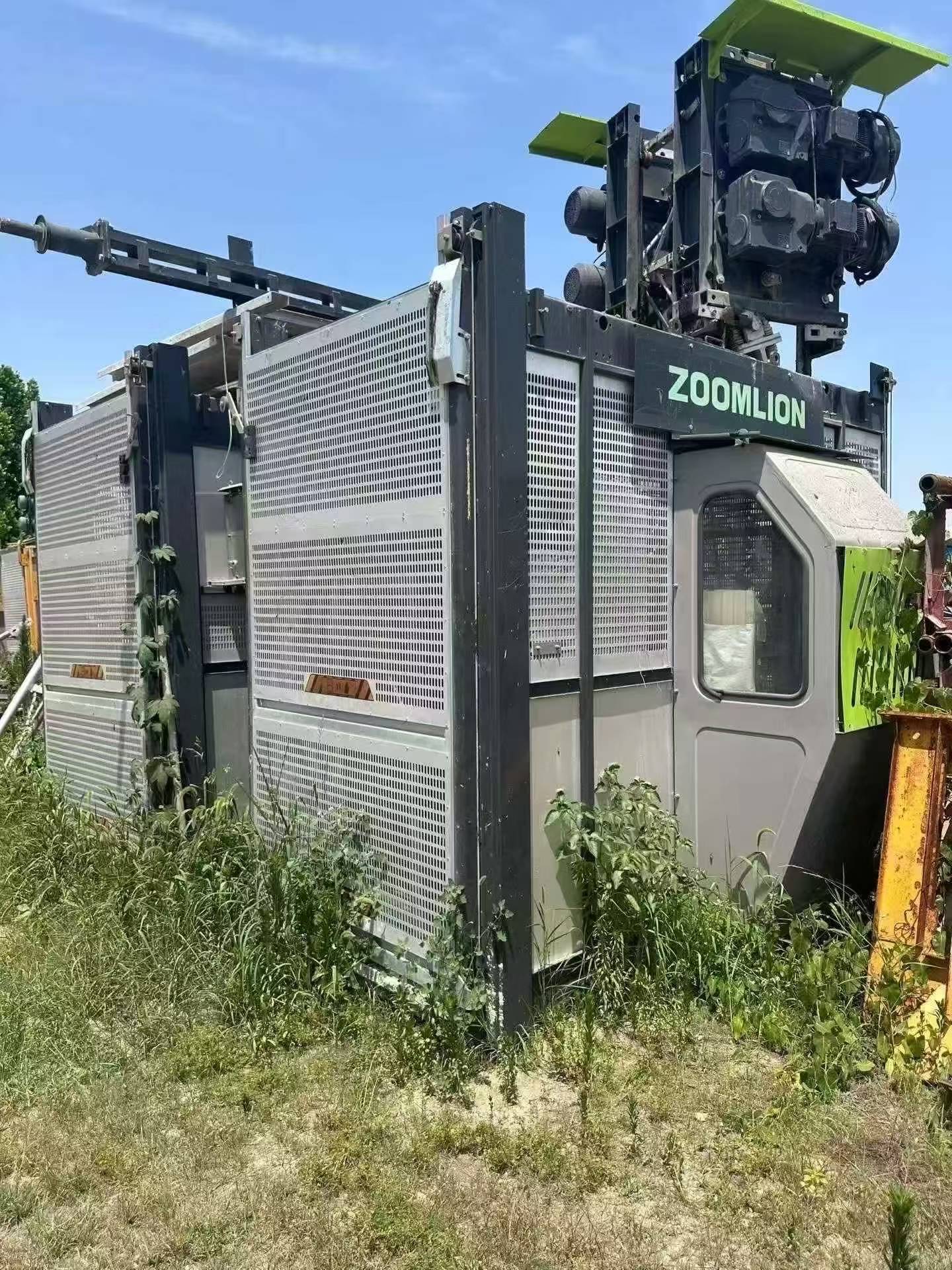
A supplier is the better choice when the buyer needs model matching, real-stock inspection, export packing, document coordination and communication after loading. This is especially important for machines with many included parts: tower cranes, construction hoists, luffing jib cranes, crawler cranes and large truck cranes.
The supplier route also helps when the buyer is comparing several product types at the same time, such as a tower crane, mast sections, a construction hoist and spare parts in one shipment. The value is in coordination: confirming what is included, what is missing, how it loads and what evidence is sent before the balance payment.
Sxmachine fits this route by focusing on real photos, video inspection, model configuration checks, export document support and shipping coordination. The point is not to push every buyer into the most expensive machine; it is to reduce surprise cost before the cargo leaves China.
What proof should I ask for before I trust any seller?
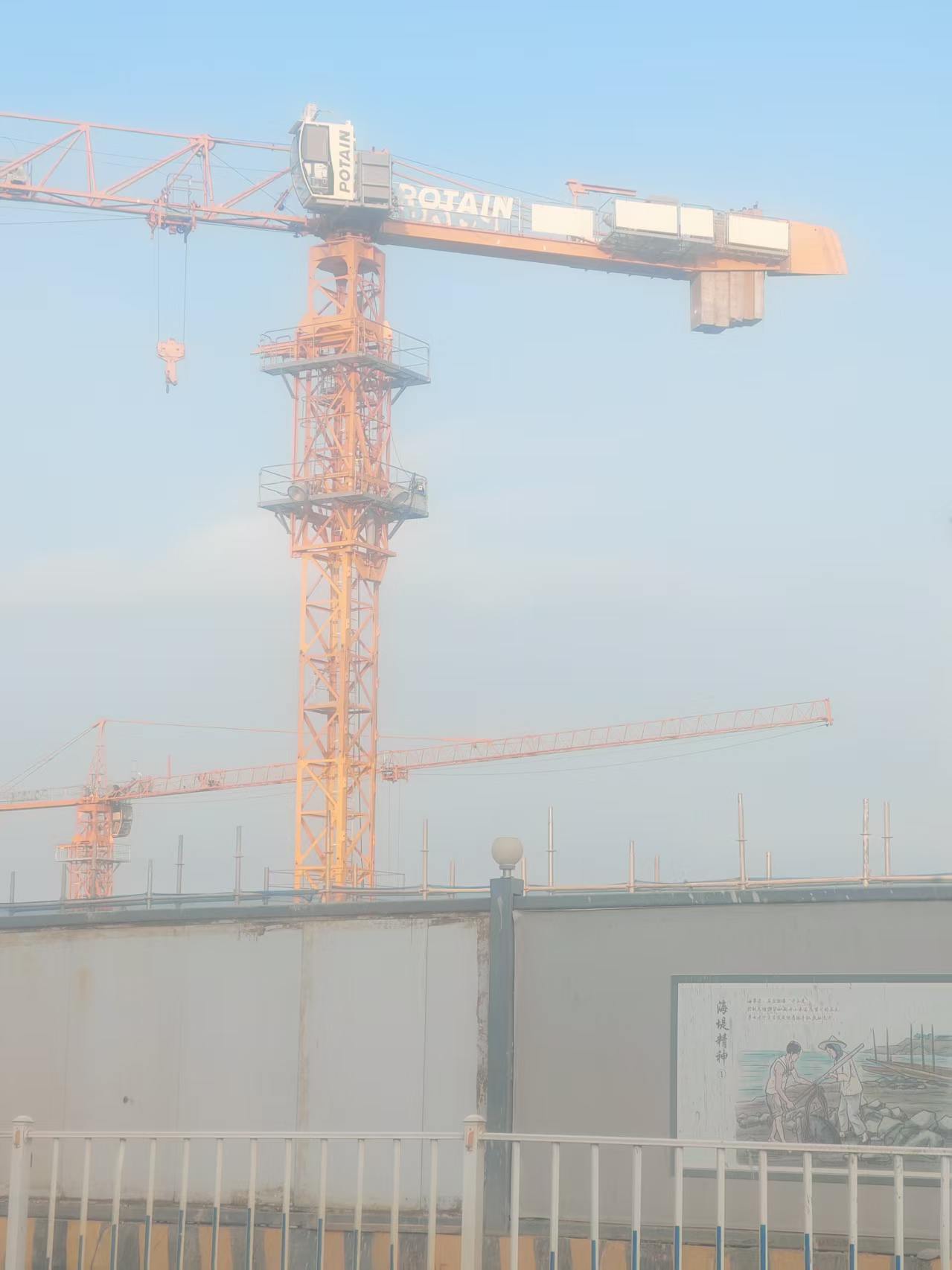
Use a proof score before comparing price. Give one point for current yard photos, one for operation video, one for nameplate or model evidence, one for included-parts list, one for visible wear-point close-ups, one for loading plan, one for export document readiness and one for payment milestones tied to evidence.
Industry inspection logic supports this evidence-first approach. OSHA crane inspection rules, ASME B30.5 guidance and ISO 9927 inspection principles all emphasize checking structural parts, wire rope, hooks, controls, brakes, hydraulic systems and safety-related mechanisms. For export buyers, those standards should become photo and video requests.
If a seller cannot reach at least five out of eight proof points, the buyer should slow down. A low quote with weak evidence is not a bargain; it is an unanswered question.
Which route should I choose if I am buying from China for the first time?
First-time overseas buyers should usually choose a dedicated supplier, not because marketplaces and auctions are useless, but because a first purchase has too many hidden steps: stock verification, inspection language, payment timing, loading evidence, export files, freight terms and destination communication.
Use marketplaces to understand model names and price bands. Use auction results to understand the low end of the market. Then ask a supplier to explain the real difference between a cheap listing and an export-ready machine. A good supplier should be able to show why one offer is safer, not only say it is better.
The final selection rule is simple: choose the route that gives the clearest answer to three questions: Is this the actual machine? What exactly is included? What proof will I receive before paying the balance?
Buying route comparison: supplier vs marketplace vs auction
| Decision point | Dedicated China supplier | Online marketplace | Auction |
|---|---|---|---|
| Best use case | Export-ready sourcing with inspection, documents and shipment coordination | Researching price ranges, models and seller options | Risk-tolerant buyers seeking low bid price or repair inventory |
| Main advantage | More controlled proof file, accessory scope and payment milestones | Many listings and fast market visibility | Potentially lower purchase price |
| Main risk | Must choose a supplier that actually verifies stock and documents | Outdated photos, unclear stock, weak export support and duplicate listings | Limited condition guarantee, repair cost and pickup/export complexity |
| Evidence needed | Current photos, action video, included list, loading plan and export files | Same-day proof, seller identity, stock location and serial/model evidence | Inspection report, bid terms, fees, pickup rules and repair reserve |
| Best buyer profile | Contractors, rental fleets and dealers who need usable equipment after arrival | Buyers still comparing models or asking for market intelligence | Experienced dealers with technicians, repair budget and flexible timelines |
| Selection advice | Choose when the project schedule or export risk matters | Use for research before serious negotiation | Use only with a strict walk-away price and repair plan |
Route scorecard: which path gives the safest landed result?
Supplier with strong proof file
Best balance for overseas buyers needing inspection evidence and export support
Marketplace with verified seller
Useful for discovery, but still requires independent proof before deposit
Auction with inspection access
Can work for technical buyers with repair budget and flexible delivery timing
Any route with weak evidence
High risk when photos, videos, included parts and documents are unclear
Decision workflow before choosing a buying route
Define risk tolerance
Decide whether you need ready-to-work equipment or can accept repair and missing-part risk.
Score the evidence
Check photos, videos, serial proof, included parts, loading plan, documents and payment milestones.
Compare landed cost
Add pickup, inland transport, loading, freight, port fees, repair reserve and delay cost.
Choose the route
Use supplier for controlled export, marketplace for research, auction for risk inventory.
Lock proof before balance
Tie final payment to inspection evidence, packing scope, loading photos and export documents.
Route-selection checklist before deposit
Used construction machinery yard evidence and export preparation video
FAQ
Is buying used construction machinery from China safe?
It can be safe when the buyer uses real-stock evidence, operation videos, inspection notes, written accessory scope, payment milestones and export document confirmation. It becomes risky when the buyer relies only on a low price and a few listing photos.
Is a marketplace cheaper than a supplier?
A marketplace listing may look cheaper, but it often excludes verification, inland transport, loading, missing accessories, repair reserve and export document coordination. Compare total landed cost, not only machine price.
Should I buy from an auction if I want the lowest price?
Only if you can inspect the machine, estimate repair cost and accept limited condition guarantees. Auctions can be useful for experienced dealers, but they are not always safer for first-time overseas buyers.
What is the most important proof before paying a deposit?
The most important proof is current stock evidence: fresh photos, an operation video, model or serial evidence where available, and a written list of included parts and missing items.
How does Sxmachine reduce buying risk?
Sxmachine helps buyers compare available China stock with real photos, video inspection, model configuration checks, packing scope confirmation, export document support and shipment coordination.
Which route should a first-time buyer choose?
A first-time buyer should usually choose a supplier-led route because the supplier can coordinate inspection evidence, export documents, loading photos and communication before shipment.
Related product pages
Not sure whether to use a supplier, marketplace or auction?
Send your target machine, destination port, budget and expected working condition. Sxmachine can help compare real-stock options, evidence quality, included scope and landed-cost risk before you pay a deposit.
Get a buying route recommendation