
Used 50 Ton vs 70 Ton vs 80 Ton Truck Crane: A Practical Buying Decision Framework for 2026
A practical 3-envelope decision framework for overseas buyers comparing used 50 ton, 70 ton and 80 ton truck cranes from China by revenue fit, inspection risk and landed-cost pressure.
Expert reviewed by Lee, Used Truck Crane Export Consultant
Mobile crane sourcing, inspection and export documentation specialist at Sxmachine
Lee supports overseas contractors and equipment dealers in comparing used ZOOMLION, XCMG, SANY and KATO truck cranes by rated capacity, boom condition, counterweight scope, chassis condition, inspection evidence, payment risk and shipment readiness before export from China.
Which used truck crane should I buy if I want the fastest payback?
Direct answer: if your customers mainly rent cranes for short-radius factory work, steel installation and general construction, choose a used 50 ton truck crane. If you need one machine that can quote more jobs without tying up too much cash, choose a used 70 ton truck crane. If you already have confirmed bridge, infrastructure, industrial plant or heavy equipment jobs, choose a used 80 ton truck crane.
Use this simple rule before asking for price: the best crane is the smallest tonnage that can safely cover your repeated paid jobs with a reserve margin. Bigger capacity only becomes profit when customers actually pay for it. If the extra 80 ton capacity sits idle, it is not an upgrade; it is frozen cash, higher freight and more expensive maintenance.
A useful buying test is to write down the next 10 jobs you expect to win. If 7 of them fit a 50 ton crane, buy 50 ton. If 4 to 6 jobs need stronger reach, move to 70 ton. If 3 or more jobs truly require the 80 ton class, then an 80 ton unit can be justified, but only when boom, counterweight, hydraulic and chassis evidence are strong.
How can I avoid buying the wrong crane? Use the 3-envelope method
Put every option into three envelopes before you compare prices. Envelope 1 is the revenue envelope: which paid jobs can this crane actually win in your market? Envelope 2 is the risk envelope: what repair, missing-part or inspection problem could stop the machine from working after arrival? Envelope 3 is the landed-cost envelope: what will the crane really cost after inland transport, loading, freight, port charges and first maintenance?
This method changes the conversation. A cheaper 80 ton crane can lose to a cleaner 70 ton crane if the 80 ton unit has uncertain boom repairs, missing counterweights or weak travel condition. A slightly older 50 ton crane can win if your market pays for smaller lifts every week and the proof file is strong.
Before paying a deposit, ask the supplier to answer each envelope with evidence: current yard photos for identity, operation videos for function, component photos for risk, and a written packing list for landed-cost control. The seller who can answer these three envelopes clearly is usually safer than the seller who only says the crane is cheap.
When does a used 50 ton truck crane make more business sense than a larger crane?
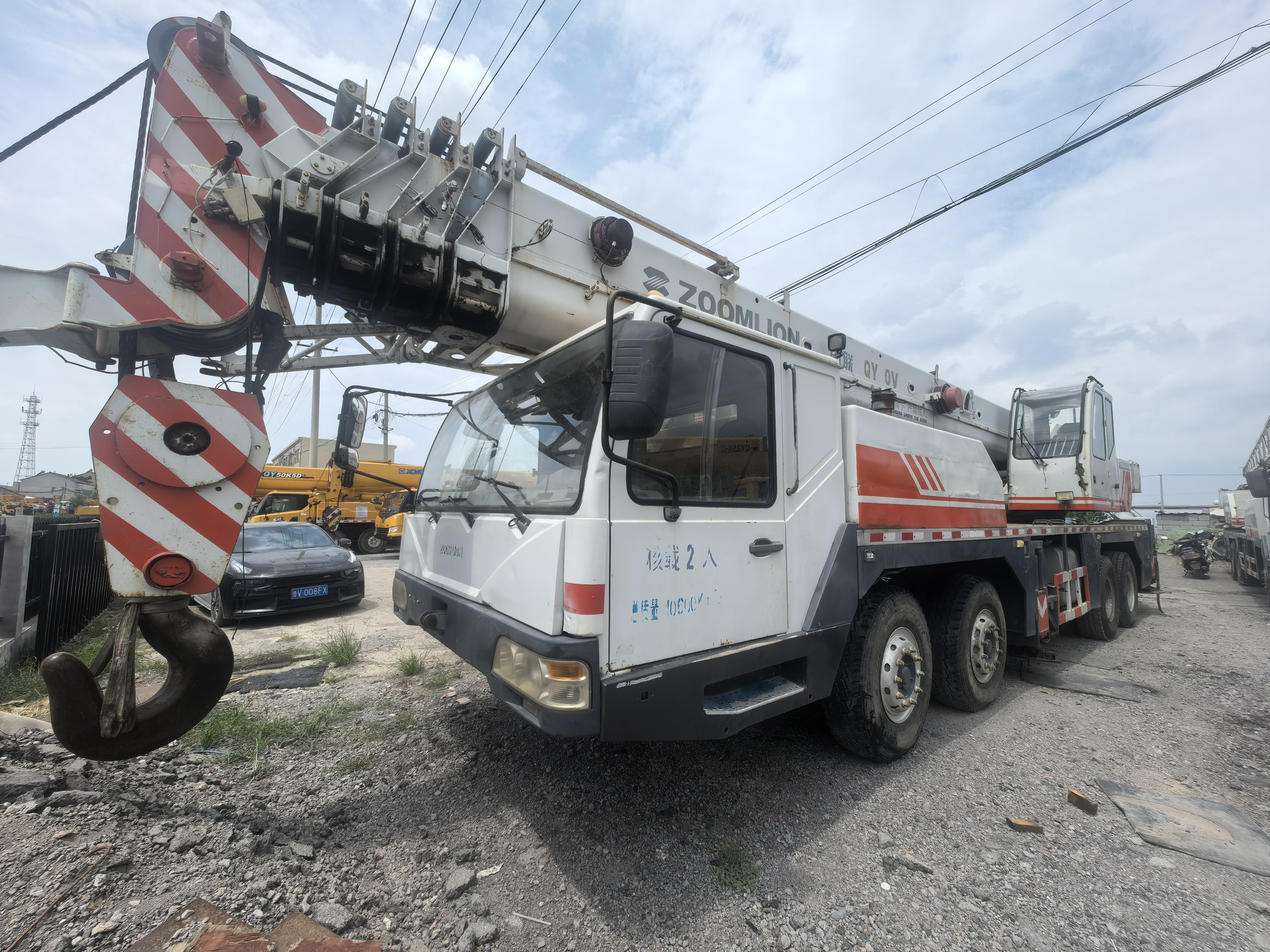
A used 50 ton truck crane makes sense when your market values quick dispatch, simple quotation and lower day-rate entry more than maximum lifting reserve. It is often the profitable choice for factory maintenance, building material lifting, small steel structure work, equipment relocation and local rental jobs.
The hidden advantage is utilization. A 50 ton crane working often can beat an 80 ton crane waiting for occasional heavy jobs. For dealers, used ZOOMLION 50 ton, XCMG 50 ton or KATO 50 ton units are easier to explain to first-time buyers because the job scope is clear and the total landed cost is usually easier to control.
Do not choose 50 ton if your customers frequently ask for long-radius lifting or heavier equipment installation. In that situation the low purchase price becomes a ceiling: you may own a good machine, but miss the better contracts.
Why is a used 70 ton truck crane often the safest middle choice?
A used 70 ton truck crane is often the safest middle choice because it protects you from two mistakes: buying too small and losing jobs, or buying too big and carrying unused cost. It gives better reach and reserve than a 50 ton crane while usually staying easier to finance and ship than many 80 ton units.
Choose 70 ton when your work mix includes industrial plant lifting, heavier steel sections, road and bridge support, equipment installation and regional rental demand. Used XCMG 70K series and ZOOMLION 70V/QY70 series cranes should be compared by boom length, counterweight scope, outrigger condition, hydraulic leakage, chassis travel and operation video quality.
The 70 ton class is not automatically the winner. It becomes the winner when your quote history shows enough medium-heavy jobs and the machine has a cleaner proof file than cheaper high-tonnage alternatives.
When is a used 80 ton truck crane worth paying more for?
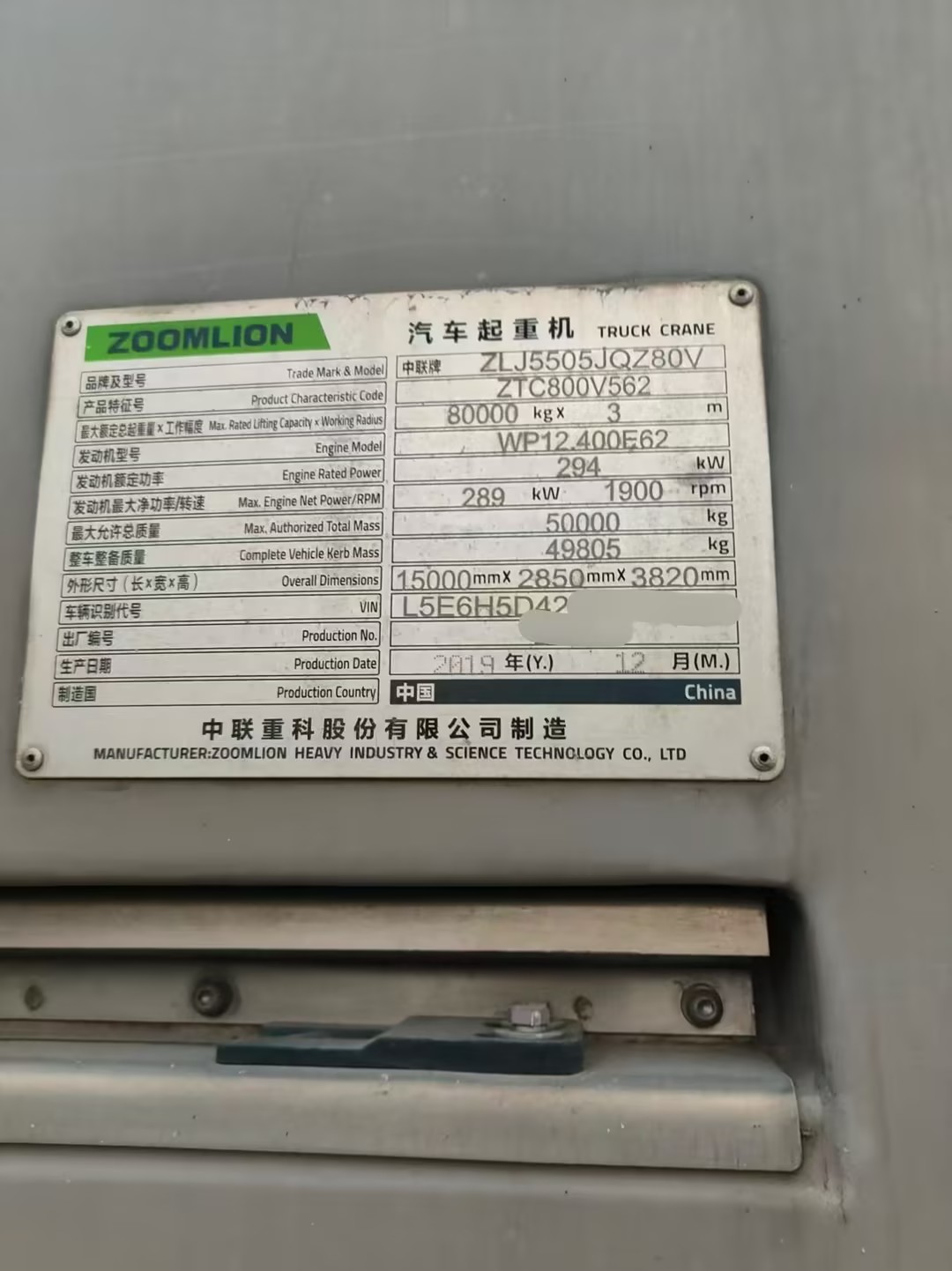
A used 80 ton truck crane is worth paying more for when capacity reserve helps you win jobs that smaller cranes cannot quote confidently: bridge work, heavy plant equipment, infrastructure lifting, heavier steel structures and longer boom jobs. The value is not the badge; the value is being able to say yes to more profitable lifts.
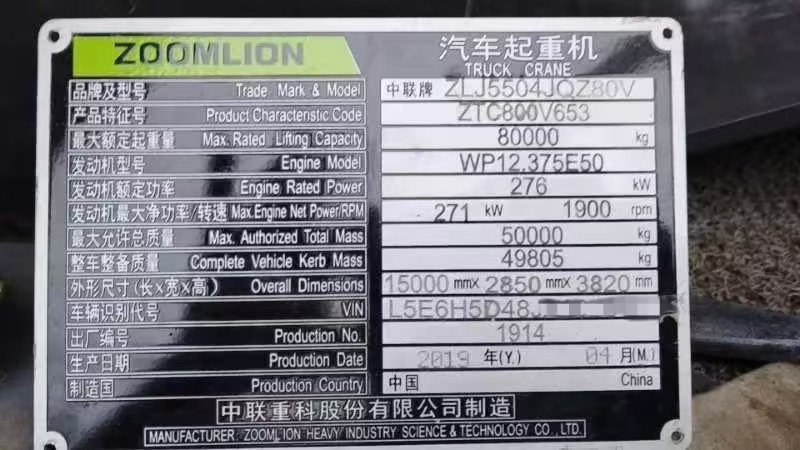
Recent examples such as 2019 ZOOMLION 80V5 and 2019 ZOOMLION 80V6 stock units can be attractive because they combine higher capacity with a newer production year. But newer does not cancel inspection. Boom repair history, hydraulic cylinder condition, counterweight completeness, chassis wear and tire condition still decide whether the machine is a real asset.
Treat 80 ton as a capacity business, not a trophy purchase. If you cannot name the customers or projects that will pay for the extra tonnage, step back to 70 ton and preserve cash for transport, spare parts and marketing.
What red flags should stop me from paying a deposit?
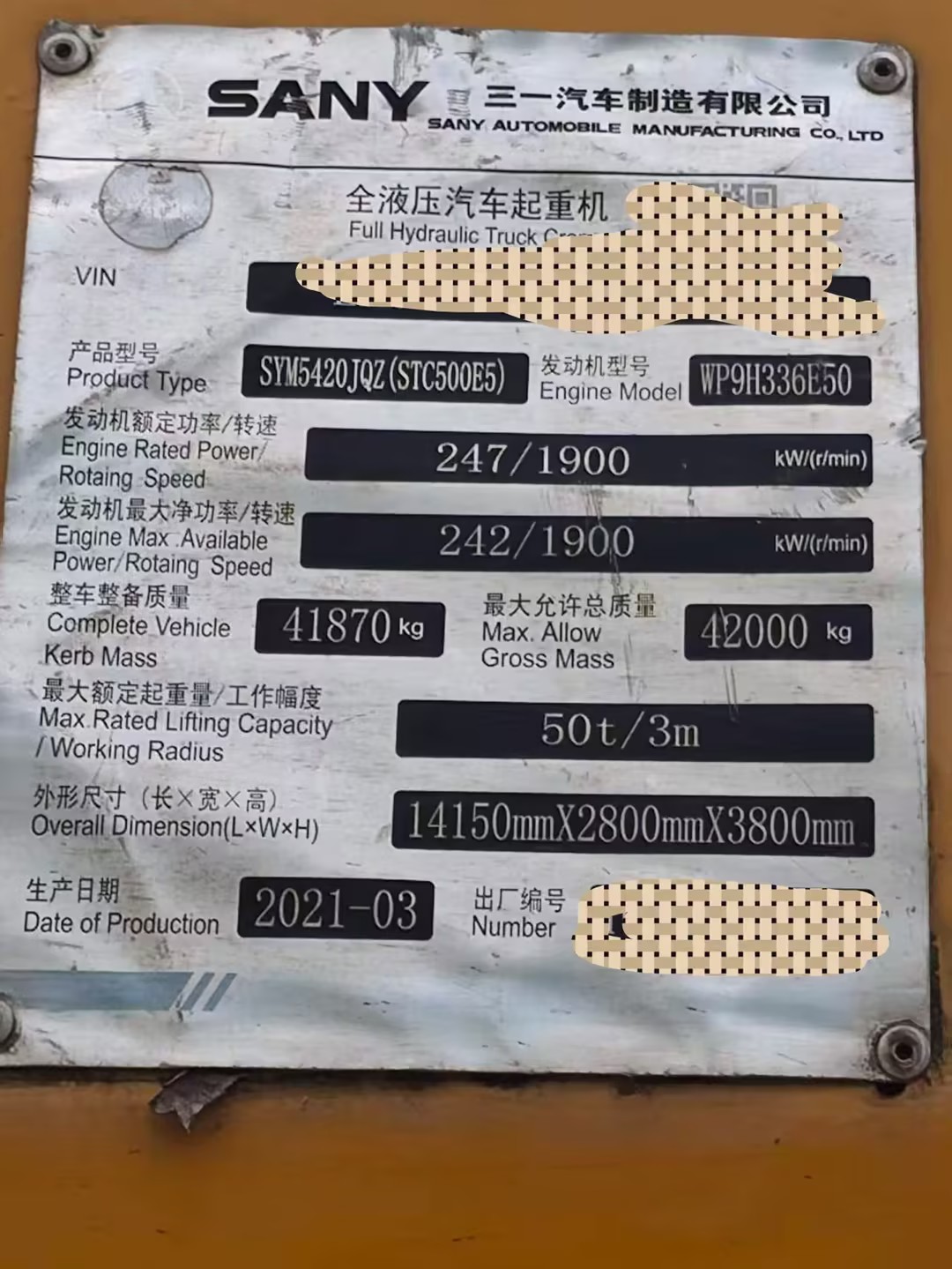
Stop before paying if the seller cannot show the same crane from multiple angles, refuses boom operation video, avoids counterweight photos, cannot confirm hook block and wire rope condition, or gives only catalog pictures. These are not small details; they are the places where unexpected cost hides.
Use an evidence-first inspection method. OSHA crane inspection rules, ASME B30 guidance and ISO crane inspection standards all point toward regular inspection of structural parts, control systems, wire rope, hooks, brakes, hydraulic systems and operating mechanisms. For export buying, turn those standards into proof: photos, videos and written pre-shipment notes.
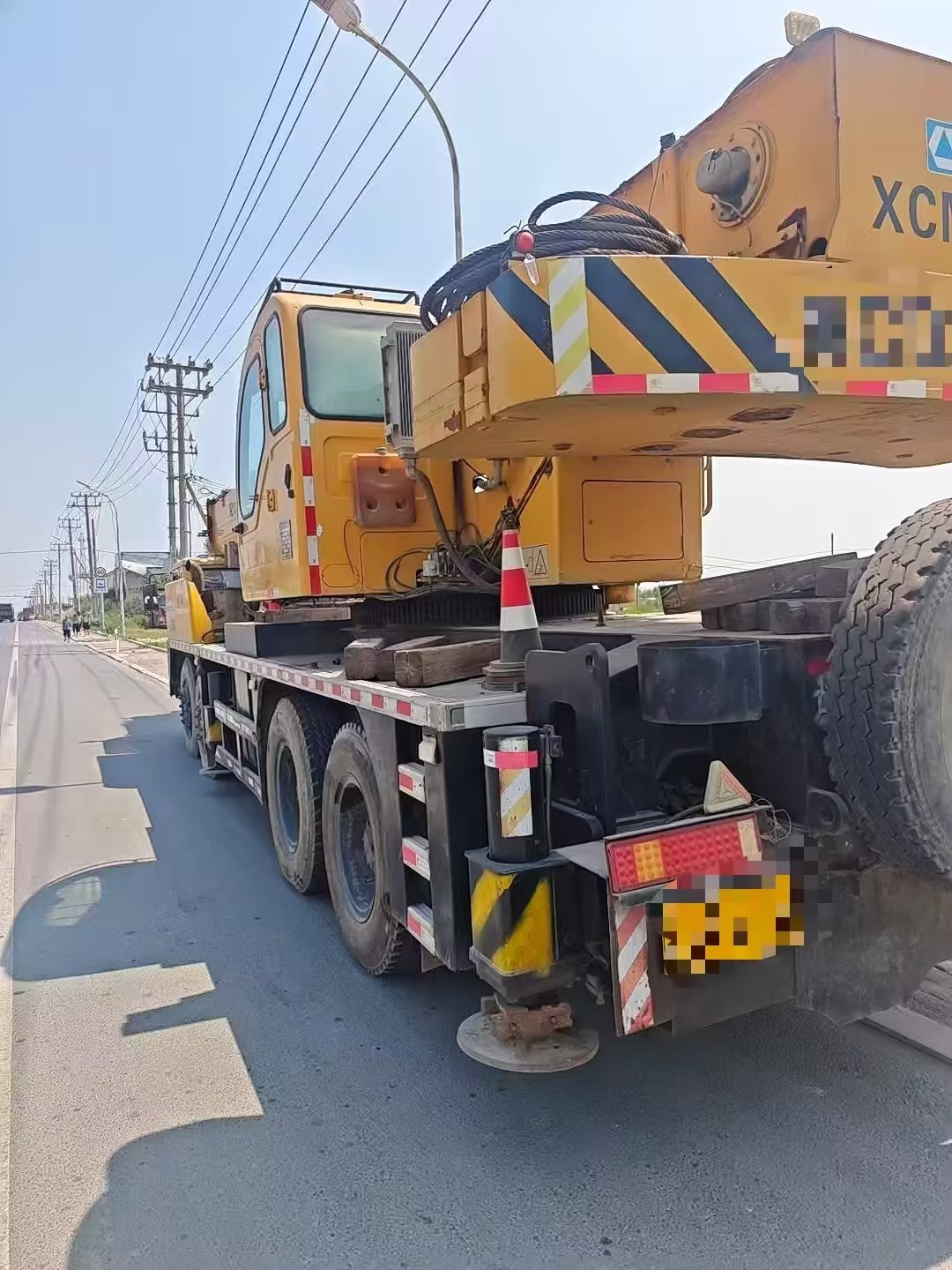
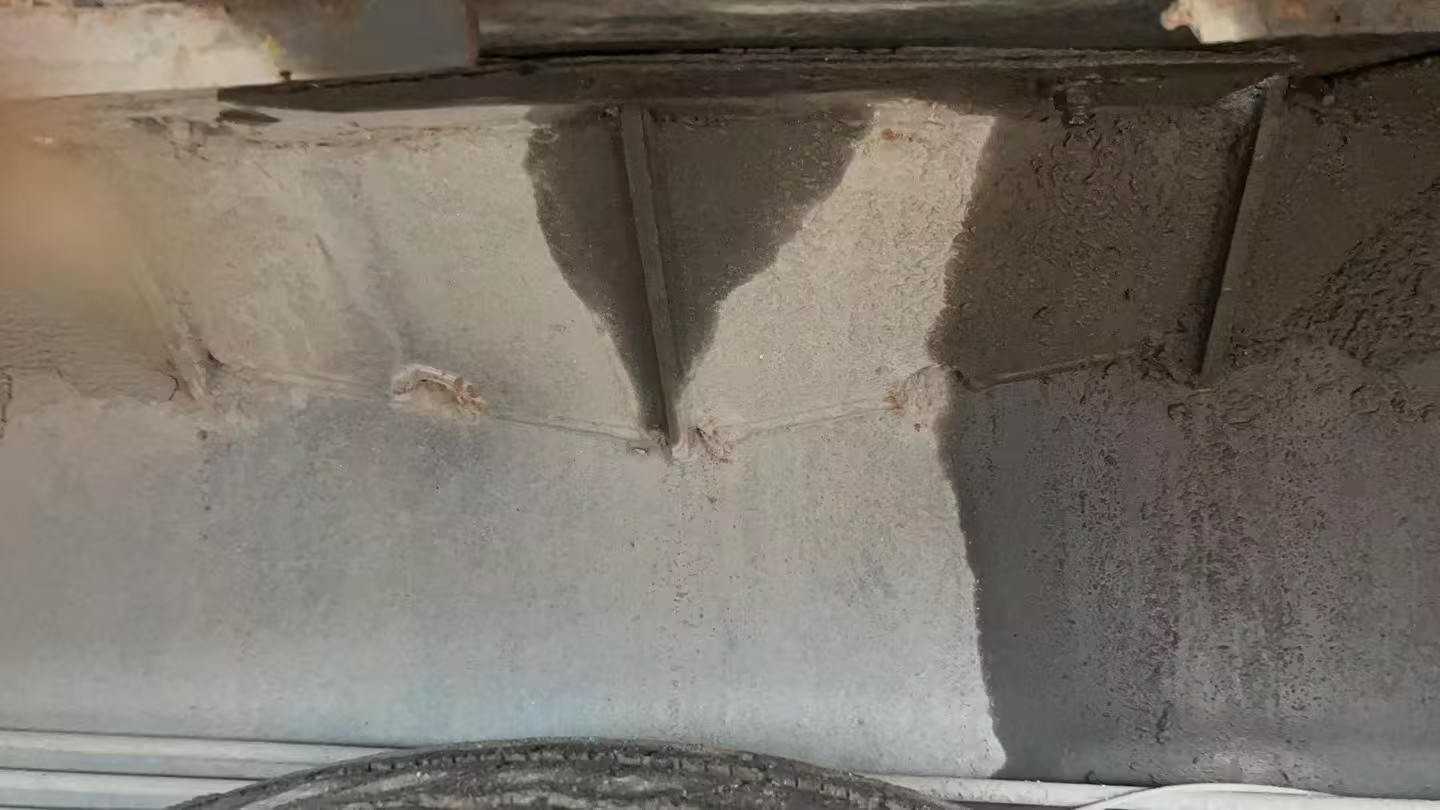
Ask for full boom extension and retraction, outrigger deployment, slewing, hoisting, winch brake behavior, hook block, wire rope condition, hydraulic cylinder surfaces, oil leakage points, chassis underside, tires, engine bay, cabin, dashboard fault lights and counterweight condition. If proof is weak, discount the machine or walk away.
What is the final buying rule if I only choose one crane?
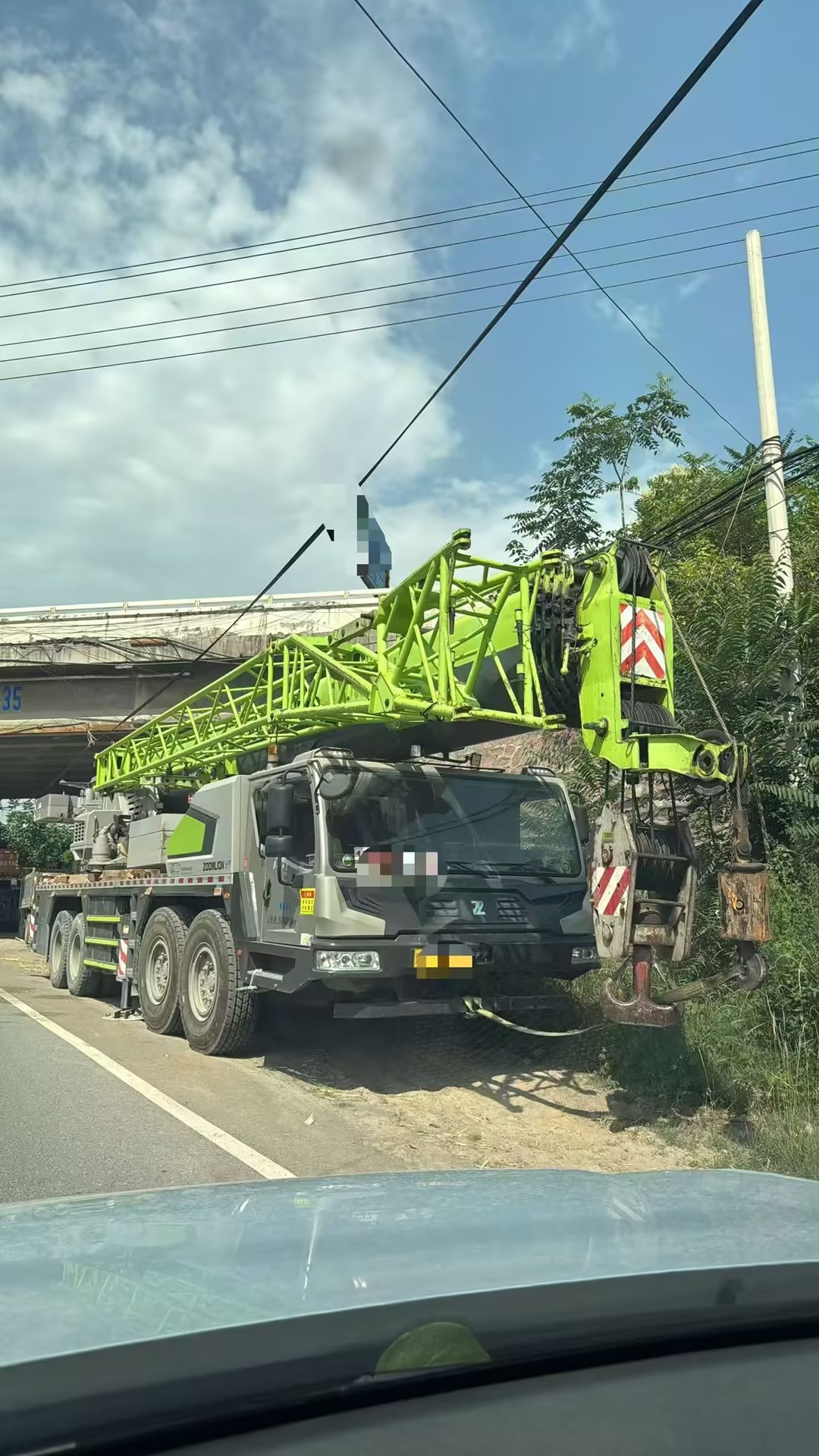
Final rule: choose the crane with the best combination of job match, proof strength and landed-cost control. Job match decides whether the crane can make money. Proof strength decides whether the crane can work after arrival. Landed-cost control decides whether the deal still makes sense after freight, loading and first maintenance.
For a first export purchase, a cleaner 50 ton or 70 ton crane with strong proof can be safer than a questionable 80 ton unit. For an established rental company, a newer 80 ton crane can improve bid confidence if the machine comes with real photos, operation videos, packing list, export documents and a clear shipment plan.
Sxmachine can compare available units by tonnage, real-photo evidence, inspection risk and destination port cost. The goal is not to push the largest model; it is to help you buy the crane that wins paid work without creating avoidable repair or shipping problems.
3-envelope decision table: revenue fit, risk exposure and landed-cost pressure
| Decision envelope | 50 ton truck crane | 70 ton truck crane | 80 ton truck crane |
|---|---|---|---|
| Revenue envelope: how it earns | Frequent smaller lifts, factory work, equipment relocation and local rental jobs | Mixed job coverage where 50 t is often too small but 80 t is not always needed | Heavy-lift demand, longer boom work, infrastructure and higher-value contracts |
| Risk envelope: what can hurt you | Buying too small and losing medium-heavy jobs | Assuming every 70 t unit has the same reach, boom condition and hydraulic health | Paying for capacity while hiding boom repair, tire, hydraulic or counterweight cost |
| Landed-cost envelope: where money leaks | Usually easier freight and lower first-maintenance pressure | Balanced shipping pressure but still needs complete accessories | Higher transport, loading, tire, counterweight and repair exposure |
| Proof that matters most | Engine startup, boom movement, outriggers, tires and winch brake video | Boom length evidence, hydraulic leakage check, chassis travel and counterweight list | Full boom proof, counterweights, hook block, wire rope, chassis and hydraulic cylinders |
| Best buyer profile | Dealer or contractor with steady moderate lifting demand | Rental fleet or contractor serving a broad mixed-job market | Buyer with confirmed heavy jobs and enough cash reserve after purchase |
| Decision trigger | Choose when 7 of your next 10 paid jobs fit 50 t | Choose when 4 to 6 of your next 10 jobs need more than 50 t | Choose when at least 3 confirmed jobs genuinely need the 80 t class |
Buying scorecard: which option gives the best business fit?
50 t with high utilization
Strong choice when the crane can work often and pay back quickly
70 t balanced fleet machine
Best all-round option when buyers need reach, capacity and cost control
80 t with confirmed contracts
High upside when heavier jobs are real and inspection proof is complete
Any tonnage with weak evidence
Poor choice when photos, videos, counterweights or chassis proof are unclear
Decision workflow before sending a deposit
List 10 jobs
Write the next 10 jobs you expect to quote, including load, radius, height and site type.
Mark tonnage fit
Mark which jobs fit 50 t, which need 70 t and which truly require 80 t.
Open risk envelope
Check boom, hydraulic, chassis, counterweight and accessory evidence before trusting the quote.
Open cost envelope
Add inland transport, loading, sea freight, port charges and first repair reserve to the machine price.
Choose by payback
Buy the crane with the clearest revenue path, strongest proof and manageable landed cost.
Deposit decision checklist: answer yes before paying
Used truck crane inspection and export preparation video
FAQ
Is a used 70 ton truck crane better than a 50 ton truck crane?
It is better only when the extra reach and reserve capacity help you win paid jobs. If your market mostly needs moderate lifts, a 50 ton crane with higher utilization may return cash faster. If your quote history includes many medium-heavy jobs, 70 ton is often the safer middle choice.
Should I buy a used 80 ton truck crane if the price is close to a 70 ton crane?
Not automatically. A low price can hide expensive problems such as boom repair history, weak hydraulics, tired tires, missing counterweights or unclear accessory scope. Compare the 80 ton crane by landed cost and proof strength, not only quoted price.
What photos should I request before buying a used truck crane from China?
Request exterior photos, boom section photos, outrigger photos, counterweight photos, hook block photos, tire and chassis photos, engine bay photos, cabin/dashboard photos, nameplate evidence and loading photos before shipment.
What videos are useful before paying the balance?
Useful videos include engine startup, boom extension and retraction, slewing, hoisting, winch brake behavior, outrigger deployment, short travel movement and a walkaround showing the same crane from the product photos.
How much reserve budget should I keep after buying a used truck crane?
Keep a reserve for inland transport, loading, sea freight, port charges, tires, oils, seals, wire rope, small electrical parts and first maintenance. A buyer who spends the full budget on the machine price may struggle when normal preparation cost appears.
Which brands are common for used truck cranes from China?
Common brands include ZOOMLION, XCMG, SANY and KATO. The better choice depends on local service familiarity, available spare parts, model condition, load chart needs and export-ready evidence.
How can Sxmachine help me choose a used truck crane?
Send your target tonnage, working radius, boom requirement, project type, destination port and budget. Sxmachine can compare available 50 ton, 70 ton and 80 ton stock with real photos, inspection points and export shipping advice.
Related product pages
Send us your 10-job list before you choose tonnage
Share the loads, working radius, job type, destination port and budget for the projects you expect to quote. Sxmachine will help compare 50 t, 70 t and 80 t used truck cranes by revenue fit, inspection evidence and landed-cost pressure before you pay a deposit.
Get a 3-envelope crane comparison