
Used Crane Shipping for Contractors, Dealers and Rental Fleets
Choose container, flat rack or breakbulk around site readiness, resale commitments and first-hire dates
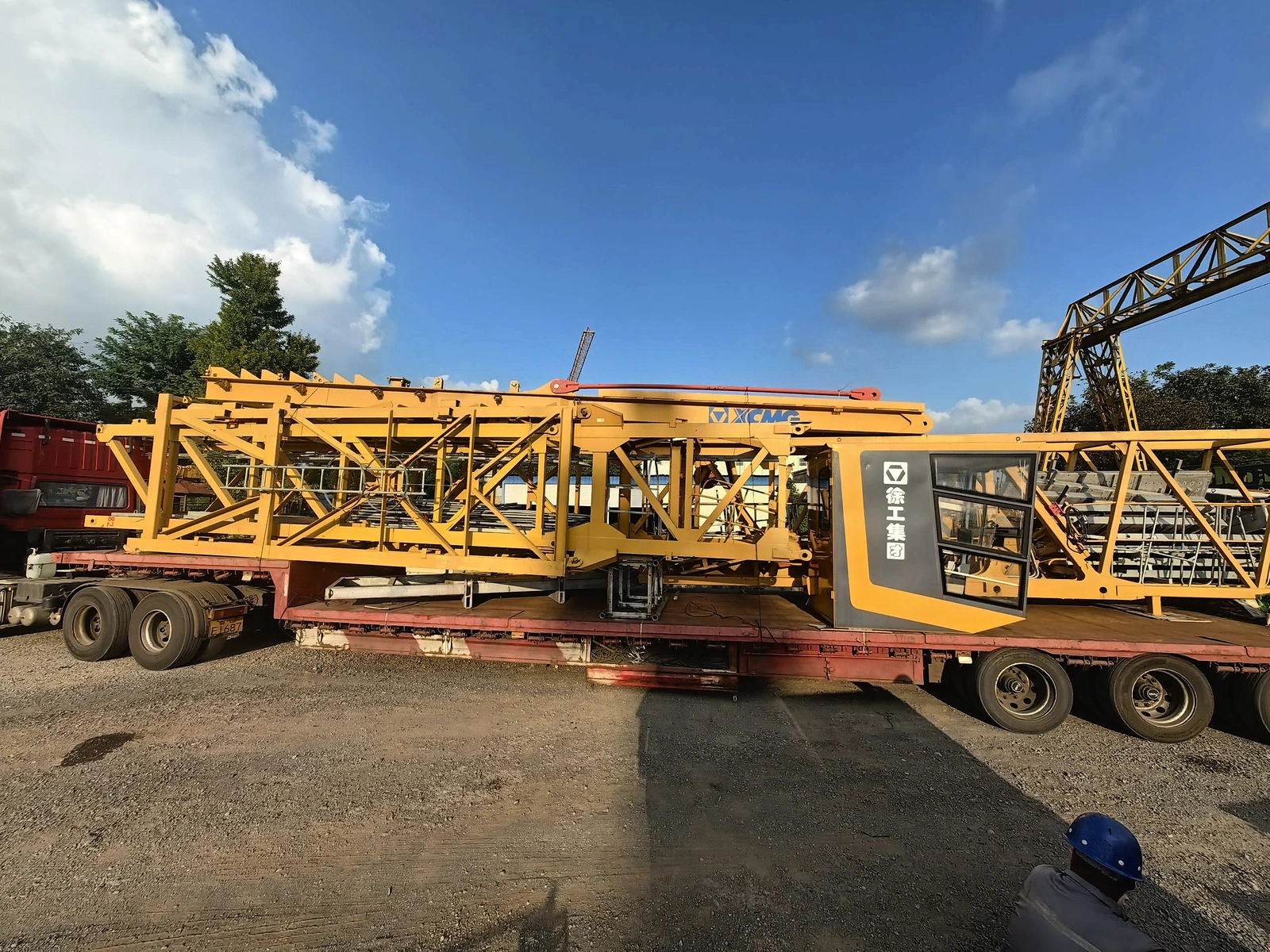
Road transport photograph illustrating the shipping package. It is not evidence of ocean-carrier acceptance.
Contractors need a complete crane at the right work window. Dealers need defensible delivery costs and promises. Rental fleets need a reliable path from receipt to first hire. Use the actual shipping package, written acceptance and named handovers to compare transport options.
To save a copy, select “Save as PDF” in your browser’s print dialog.
Define the business milestone before the sailing
A crane's lifting capacity does not determine its shipping mode. Assess each transport unit's dimensions, mass and handling needs against the service offered. For a used tower crane, reconcile the complete purchased scope with the shipping inventory, not just the upperworks pictured in a brochure.
Agree what successful delivery means for your business. Vessel arrival is only one milestone; missing components, an unclear handover or an unready receiver can leave the commercial objective unresolved.
| Buyer | Pain point | Evidence to request | Decision before commitment |
|---|---|---|---|
| Builders / contractors | Missed work window or missing components | Reconciled inventory; receiving slot; readiness milestones | Keep site-start dates conditional until gaps are resolved |
| Dealers | Unpriced destination costs, resale promises and tied-up stock | Matched-scope offers; delivery boundary; outstanding charges | Complete landed-cost inputs and exclusions before the sales offer |
| Rental fleets | Delayed first hire or difficult redeployment | Receipt checks; hire-start acceptance conditions; next-site package requirements | Separate ETA from hire availability; assess the next transfer |
Separate freight signals from delivery promises
The engineering constraints are longstanding; routes and available services change. UNCTAD's September 2025 briefing described rerouting, longer journeys and volatile freight conditions: a dated baseline, not live status for every trade lane. S1
On 7 October 2026, Maersk reported selected Asia–Europe services transitioning back through Suez, alongside sailing-frequency adjustments on some trades. The announcement concerned specific services and voyages, not universal recovery. S2
Our assessment is a mature system adapting to recurring disruption. Keep an acceptable fallback until the shipment is confirmed. Neither a better route nor a headline ETA justifies an unconditional construction, resale or hire-start promise.
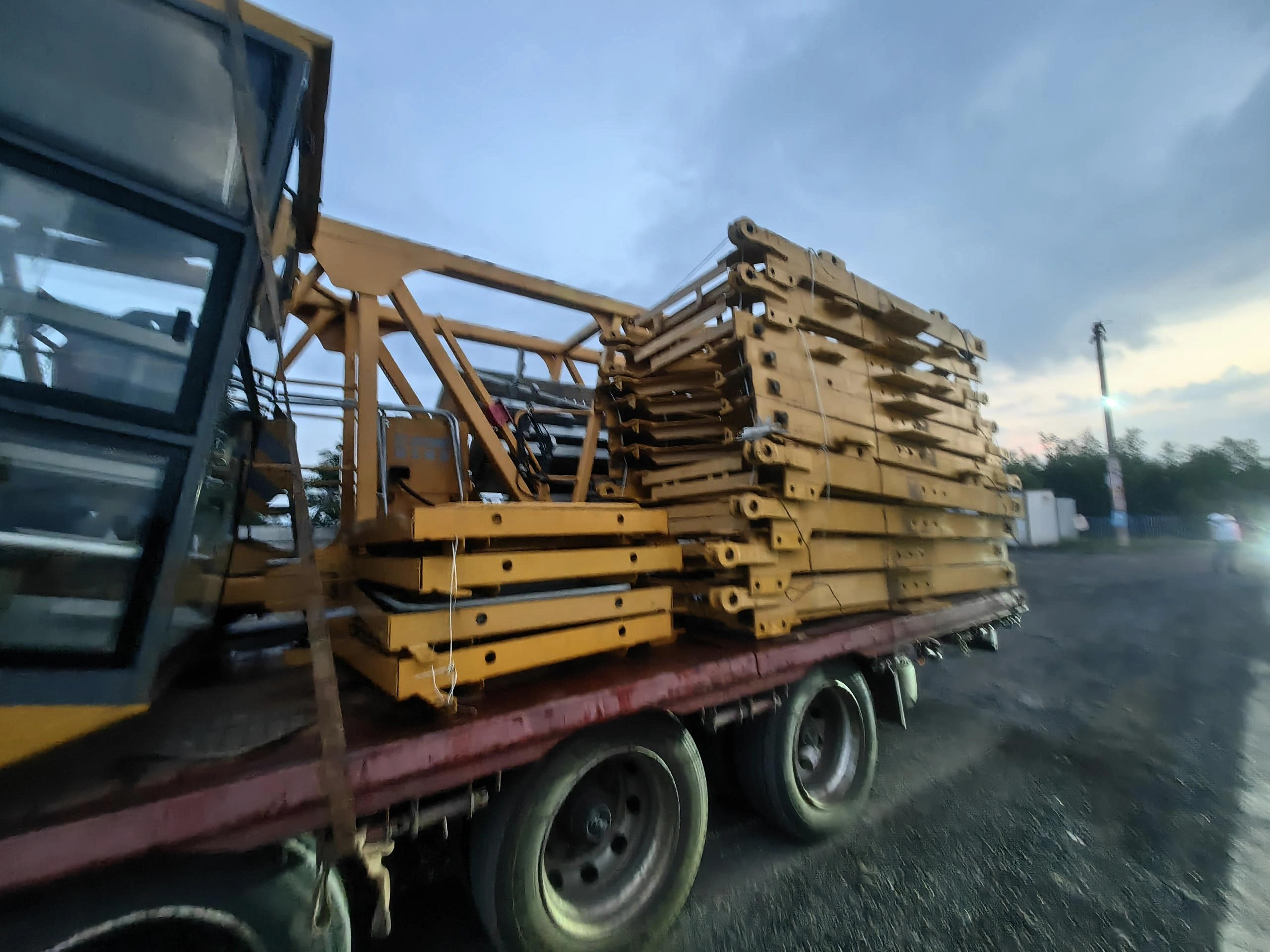
Choose a feasible mode, then compare its commercial scope
Container
Does the complete package fit?
- Check access, mass and handling
- Reconcile every supplied component
Flat rack / OOG
Will the service accept this unit?
- Obtain written acceptance
- Identify handling and delivery exclusions
Breakbulk
Does the whole handling chain work?
- Confirm vessel and terminal capability
- Name the receiving handover owner
Obtain measured dimensions and gross cargo mass for every unit. Packaging and securing protrusions can enlarge the declared envelope; container-series dimensions vary. Label preliminary figures. S6
| Mode | Candidate cargo | Acceptance evidence | Commercial check |
|---|---|---|---|
| Closed container | Components fit the selected unit and access opening | Package plan; mass and load-distribution review; confirmed equipment | Does the count cover everything sold or needed on hire? |
| Flat rack | Unitized cargo on special equipment, potentially out of gauge | Final envelope; support and handling assessment; written acceptance | Which special-handling and destination charges are included? |
| Breakbulk | Non-unitized pieces requiring individual assessment | Vessel, terminal and onward-transport compatibility | Who owns discharge, storage and the receiving window? |
Flat-rack cargo may be in or out of gauge; out-of-gauge cargo may remain unitized. Ask the carrier to confirm its category and assess open-top equipment where appropriate. S6
These options are not exhaustive. Any alternative proposed for a mobile crane needs the same acceptance and handover review.
Prevent a container count from hiding missing components
Manitowoc's 5 March 2021 MCT 185 announcement says the upperworks can travel in five containers. It does not establish the shipment count for a complete used package with its particular mast sections, ties, base and ballast. S4
Match the seller's inventory to the proposed packing schedule and receiving checklist. Record included, excluded and unresolved components; have qualified teams confirm feasible transport preparation. This protects the contractor's required configuration, the dealer's sale description and the fleet's hire specification.
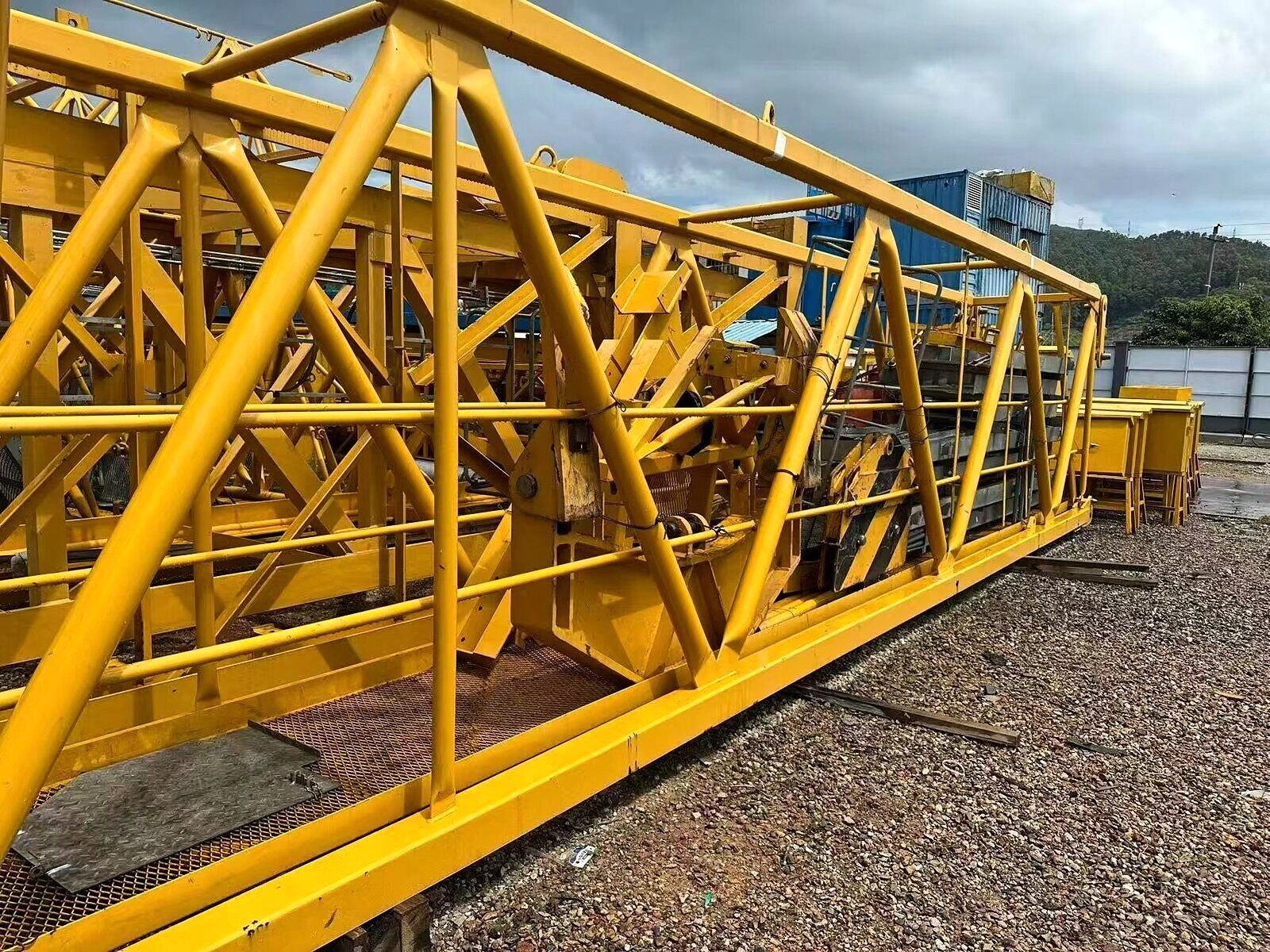
Use five hold points before promising availability
- 1
Scope
Inventory against the intended use
- 2
Review
Qualified package and mode assessment
- 3
Accept
Written service and commercial boundary
- 4
Reconcile
Final cargo and receiving checklist
- 5
Receive
Evidence before the next commitment
- Freeze the configuration: reconcile all separately shipped components with the site, sale or hire requirement; name the inventory owner.
- Obtain qualified feasibility review of the package, mode, terminals and onward delivery, including any transshipment.
- Record written acceptance and the quoted boundary: allocate handling, destination charges, collection, storage and outstanding conditions.
- Reconcile prepared cargo with accepted particulars. Agree receiving checks, discrepancy records and an escalation contact before dispatch.
- Record component receipt and outstanding issues. Confirm downstream readiness separately before committing to site work, customer handover or hire availability.
For packed containers subject to SOLAS, verified gross mass is a loading prerequisite, not an entitlement. Confirm the responsible party and submission deadline; machine net weight is not a substitute. S5
Professional checkpoint: capacity is not acceptance
Ask the special-cargo team what support, load-distribution and handling evidence is outstanding. Hapag-Lloyd's June 2016 guide, still linked from its special-cargo page, explains that usable flat-rack capacity depends on support and unsuitable cargo may be refused. These are established constraints. S3
These are editorial questions for qualified reviewers, not engineering approval or instructions for dismantling, lifting or securing a crane.
Prepare three scenarios for commercial commitments
| Scenario | Signal | Decision |
|---|---|---|
| Base: accepted service remains | Equipment and departure window confirmed | Proceed while keeping downstream milestones conditional |
| Upside: a better route appears | Carrier confirms an acceptable alternative | Recheck the receiver before advancing sale or hire promises |
| Downside: the option changes | Equipment withdrawal, omitted call or revised transshipment | Revalidate the fallback and notify site, buyer or hirer |
Track unresolved acceptance, component discrepancies and planned versus actual handovers. Dealers should also monitor stock-holding days; rental fleets should track receipt-to-hire readiness and the next transfer requirement. Review changes before revising commitments. Confidence is high in these checks, but no rate or transit-time forecast is assumed.
Send an RFQ tied to your delivery decision
- Use: contractor, dealer or rental fleet; identify the site-start, customer-handover or first-hire milestone and receiving window.
- Equipment: make, model, serial reference, configuration, location and reconciled component inventory.
- Route and evidence: collection, ports, destination, shipment window, measured package schedule, photos and available handling drawings; flag unverified data.
- Offer: request feasible modes, written acceptance conditions, validity, inclusions, destination charges and exclusions for your landed-cost worksheet.
- Handover: name receiving and discrepancy owners; state readiness checks, customer or hire-start conditions and any future redeployment requirement.
Clarify the equipment before committing to delivery
Compare available cranes, then send the configuration, destination and critical milestone. Ask us to clarify supplied components before you compare freight offers or promise site, resale or hire availability.
Video explanation
Yes, we can ship your special cargo!
Publisher: Maersk
A short carrier overview of special cargo. Illustrative only: it does not approve a particular crane, service or handling plan.
Watch on YouTubeFrequently asked questions
When can a contractor commit to a site-start date?
Keep it conditional until the complete configuration, receiving window and downstream readiness are confirmed. A vessel ETA does not establish component completeness or readiness for use.
How should a dealer quote delivery without hiding freight risk?
Use matched-scope transport offers and complete the landed-cost inputs. State validity, exclusions, unconfirmed conditions and handover responsibilities before making the resale commitment.
Which date should a rental fleet use for first hire?
Confirm the agreed hire-start acceptance conditions, tracking receipt and readiness separately. Record discrepancies and unresolved requirements; reassess the package and destination before future redeployment.
Does a manufacturer's container count cover the complete crane?
Not necessarily. Check the stated scope and actual inventory. The MCT 185 example concerns upperworks, not the full used package. (Source 4)
Which freight mode is cheapest for our business?
First exclude unaccepted modes, then compare the same package, route, window and handling boundary. Out-of-gauge cargo may remain unitized; confirm its category rather than assuming breakbulk. (Source 6)
Sources and further reading
- UNCTAD press conference: Review of Maritime Transport, 24 September 20252025-09-24
- Maersk Asia Pacific Market Update – October 20262026-10-07
- Loading & Lashing Cargo: Flatrack guide2016-06
- Manitowoc expands line of Potain topless cranes with MCT 1852021-03-05
- Verification of the gross mass of a packed containerUndated; checked 2026-10-19
- Special CargoUndated; checked 2026-10-19