
Tower Crane Power Planning for Contractors, Dealers and Rental Fleets
Protect the site start date, define the resale offer and prepare a crane for its next hire
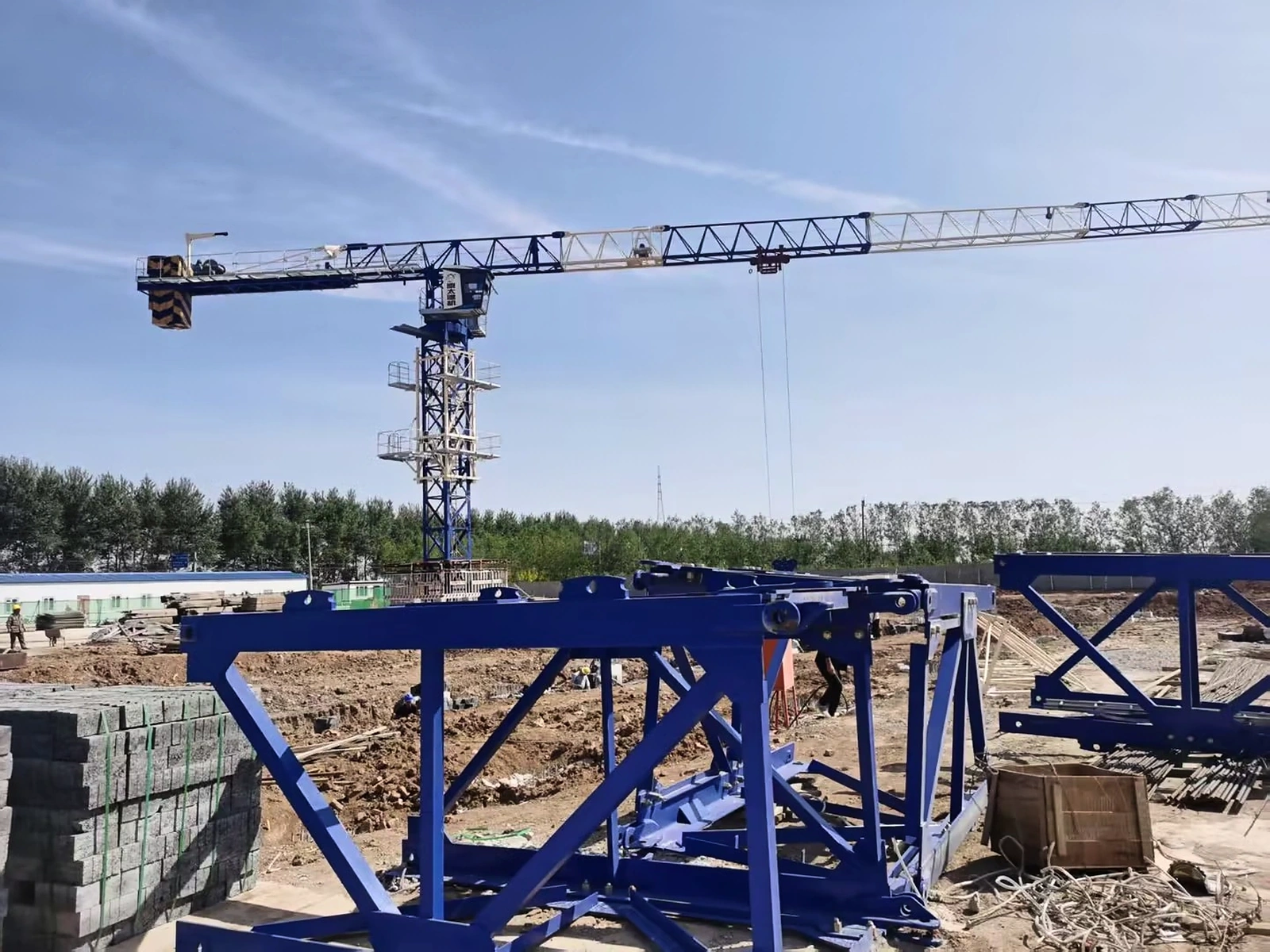
Equipment configuration illustration from the existing product photo collection.
A power mismatch creates different losses: delayed lifting for a contractor, unpriced obligations for a dealer and idle equipment or extra service visits for a rental fleet. Use the exact crane dossier, confirmed site supply and intended duty pattern to compare grid, generator and battery options. Agree the complete cost, integration owner and handover evidence before purchase, resale or hire.
To save a copy, select “Save as PDF” in your browser’s print dialog.
Start with the power mismatch your business must avoid
For a contractor, a crane that cannot use the available supply can miss the agreed lifting start. For a dealer, an undefined power package can become an unpriced resale obligation. For a rental fleet, a crane that needs unexpected adaptation at the next site can lose earning time and add service visits. Battery systems widen the options for limited connections and intermittent loads, but the useful buying question is still which complete arrangement supports the exact crane, site and intended duty—and who is responsible if those assumptions change.
| Buyer | Pain to address | Evidence to request | Procurement or acceptance decision |
|---|---|---|---|
| Builder or building contractor | A fixed start date and lifting schedule are exposed to late connection, incomplete integration or unresolved service responsibility. | Dated site-supply confirmation, the exact crane dossier, planned lifting and auxiliary loads, and named design, commissioning and service responsibilities. | Make mobilisation and acceptance depend on an agreed crane–supply–site match and commissioning evidence; price a workable alternative if the connection is still pending. |
| Equipment dealer | A resale promise can include adaptation, transport or destination service that was absent from the purchase price and erode the margin. | An as-supplied configuration list, manufacturer documents, itemised equipment and delivery scope, exclusions, and the destination assumptions behind the power quotation. | State which power items are included, separately priced or subject to destination assessment; calculate the complete landed and handover cost before fixing the resale offer. |
| Rental company or fleet owner | A package suited to one site may require extra mobilisation, recharge arrangements or service at the next, reducing availability and utilisation. | Intended site-supply and duty profiles, charging assumptions, transfer and setup scope, service coverage, replacement provision and handover/return records. | Allocate a crane and power package only against the intended hire conditions; recheck changed sites and include transport, idle time and service obligations in the hire comparison. |
The evidence spans several markets. On 18 October 2024, Liebherr described a French project pairing a 65 K.1 crane with its mobile storage system. On 16 August 2026, Mapletree reported a Singapore trial involving tower cranes, passenger hoists and mast climbers. Byrne describes UAE tower-crane hybrid operation during 2023–2025. These are project and supplier reports, rather than a measurement of global adoption. S1 S2 S3
For buyers, the strongest conclusion is that alternative power arrangements deserve a properly scoped quotation. The evidence does not establish that batteries are economical on every project or compatible with any used crane. Our assessment is that these options are becoming established in selected applications; the pace of wider adoption remains dependent on local power access, support and rental economics.
Confirm power and energy against the intended job
A battery has to meet two different needs: delivering sufficient power when required and retaining enough usable energy until it can recharge. A kWh capacity figure does not establish the system’s kW or kVA capability. Equally, a high output rating does not tell you how long it will support a shift. Aggreko’s tower-crane explanation identifies short load peaks, lower-demand periods and overnight auxiliary loads as distinct parts of the problem. S4
Ask the power supplier to assess the complete duty pattern, including simultaneous movements, heating or cooling, lights and intended charging windows. Contractors should provide the planned shift and other site loads; dealers should pass on the buyer’s actual assumptions instead of promising generic compatibility; rental teams should identify the intended sites and what must be reassessed at transfer. Confirm how the exact crane handles returned energy, where applicable. The crane manufacturer and qualified electrical designer should agree compatibility and protection arrangements; a sales-page motor rating is insufficient for that decision.
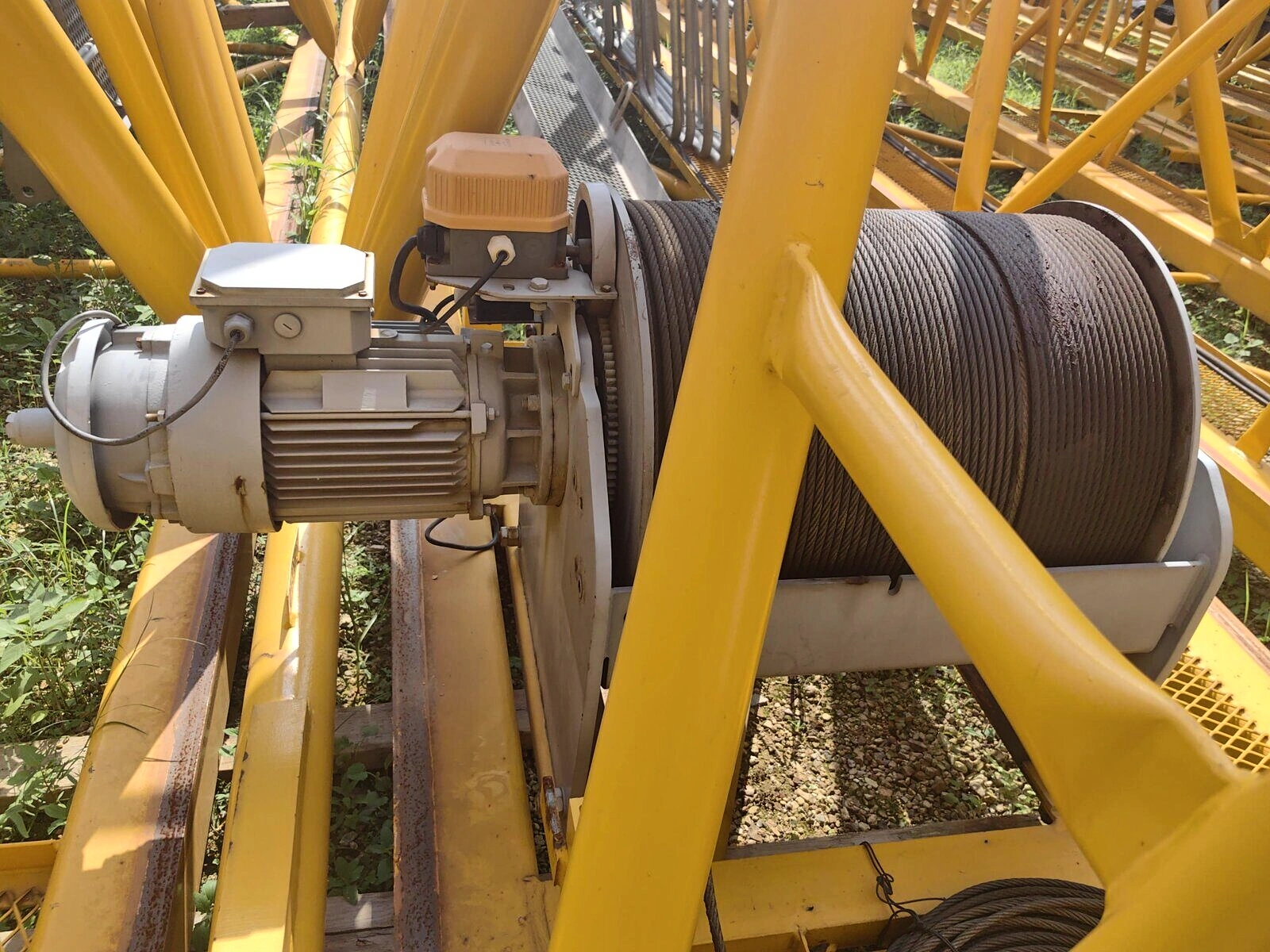
Choose a supply option you can quote and accept
Grid
Capacity available on time
- Confirm connection date
- Match exact crane requirements
Generator
Independent temporary supply
- Assess load behaviour
- Include fuel and service
Battery hybrid
Bridge a documented constraint
- Assess output and energy
- Confirm charging and support
| Option | Site condition worth investigating | Evidence before selection | Quotation and acceptance judgement |
|---|---|---|---|
| Grid supply | Suitable capacity is available by mobilisation. | Confirmed connection date and capacity, plus a crane-specific electrical design. | A contractor can plan around a confirmed date; a dealer should state whether connection works are included; a rental fleet should confirm the supply for the actual hire site. |
| Generator supply | The site lacks an adequate grid connection. | OEM requirements, assessed load behaviour, fuel logistics, distribution scope and local service. | Price the complete delivered and supported package, identify the integration owner and agree commissioning evidence before accepting it as ready for the job. |
| Grid with battery support | Connection capacity is limited but charging windows exist. | Peak demand, daily energy, recharge opportunity and compatible integration for the intended crane and duty. | Request an alternative against the same working schedule; state which site assumptions limit the offer and require reassessment when the customer or hire site changes. |
| Generator with battery support | Intermittent loads make continuous generator operation costly. | Measured or justified duty cycle, charging strategy, service scope and a comparable complete cost offer. | Compare purchase or hire, transport, fuel, charging and service obligations; use a supplier case study as a reference, not a guaranteed margin or saving. |
Treat these as screening conditions rather than equipment sizes. Potain’s PowerBoost page, for example, names an initial application on the Igo M 24-19. It is evidence of a model-specific product, not permission to fit that system to an unrelated used Potain crane. S5 Apply the same boundary to an enquiry or resale listing: name the documented machine and package, then state the destination assessment still required. A rental handover for one site does not establish suitability for the next.
Build one electrical dossier for purchase, resale and hire
- Model, serial number, manufacturing year and photographs of the relevant identification plates, tied to the machine actually being offered.
- Manufacturer electrical manual and circuit documentation matching the as-supplied configuration; list documents still missing before a purchase or resale commitment.
- Required supply characteristics and manufacturer guidance for the intended power source, with the customer or hire-site assumptions recorded.
- Installed drive, control and auxiliary equipment, including recorded modifications and the responsible party for resolving unexplained changes.
- Available maintenance records and an assessment of present electrical condition; distinguish the evidence supplied from further inspection still required.
- Site supply information, intended working pattern, other loads and charging windows; for a rental fleet, record the intended hire conditions and changes that trigger reassessment.
- A written scope naming who designs, supplies, installs, commissions and services the complete arrangement, what the price includes and what evidence is handed to the buyer or hirer.
Resolve mismatched documents and unexplained modifications before relying on a power quotation. A nameplate photograph is an identity check, not an electrical condition assessment. Use the same machine dossier for every shortlisted supplier so that exclusions become visible.
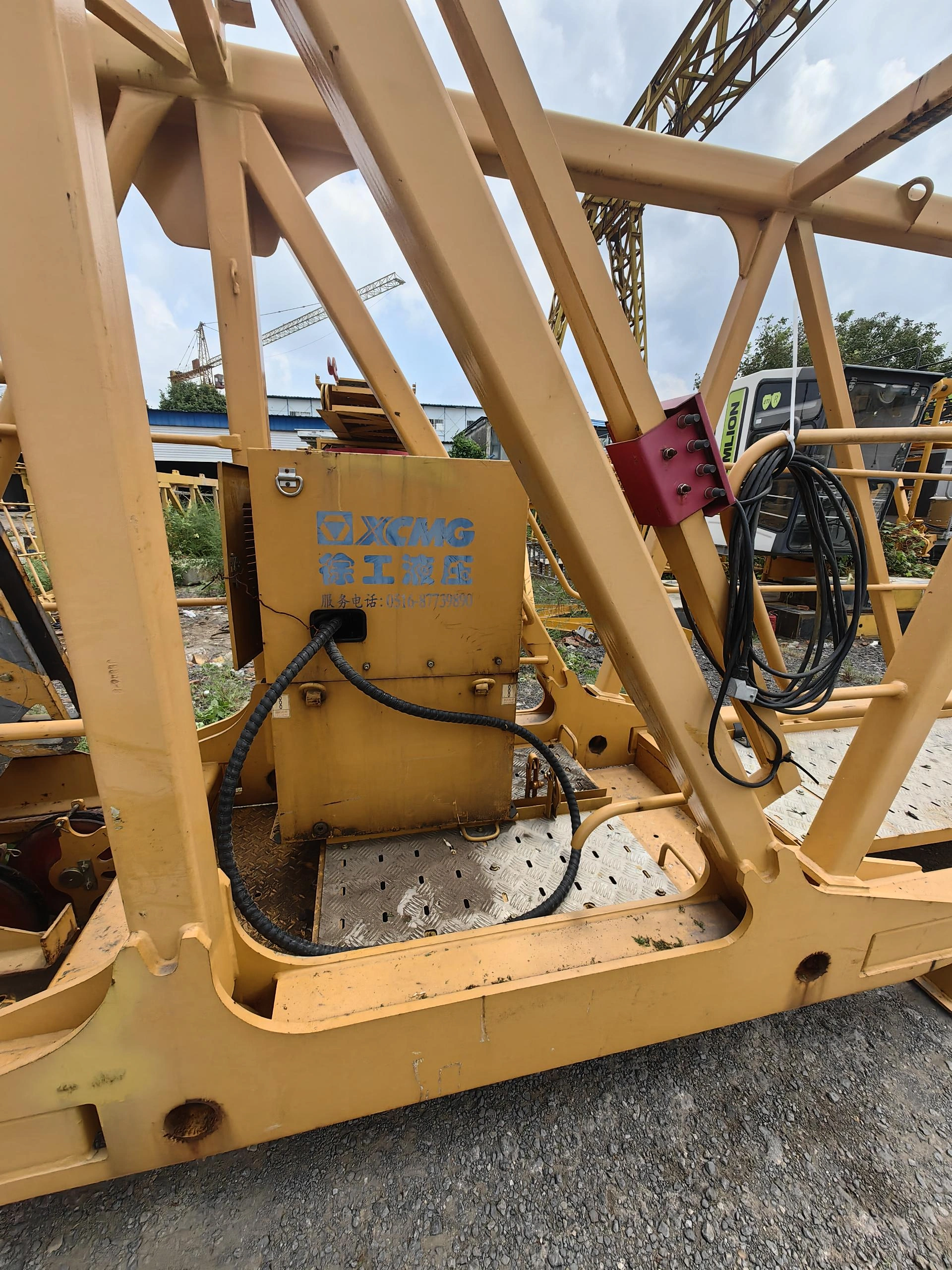
Compare project cost, resale exposure and fleet service cost
Compare the same project or hire period and operating schedule. Include connection or mobilisation, power equipment rental or purchase, distribution, design and commissioning, electricity, fuel delivery, servicing, collection and contingency; name the party providing each item. A contractor needs the cost of meeting the programme, including any priced alternative for a delayed connection. A dealer needs the complete landed and handover cost before setting the resale price, with unconfirmed destination work kept explicit. A rental fleet needs transport, changeover, idle time and service obligations in the utilisation case. A lower weekly generator rate or a headline battery saving cannot settle those different decisions.
| Input | Evidence to request | Business decision affected |
|---|---|---|
| Operating and hire pattern | Working days, lifting periods, overnight loads and planned transfers, with the same assumptions for each offer. | The contractor’s programme, the dealer’s customer promise and the rental fleet’s earning and idle periods must match the quoted case. |
| Energy and fuel | Tariffs and fuel-use assumptions tied to the duty pattern, plus the charging source and cost responsibility. | A demonstration saving is not a project forecast, a resale margin or a hire-profit guarantee. |
| Complete delivery scope | Equipment, transport, setup, distribution, commissioning, removal and destination exclusions, itemised by responsible party. | An omitted item may return as a contractor’s extra, reduce the dealer’s margin or add an unpriced fleet mobilisation. |
| Service and replacement | Response arrangements, local coverage, exclusions, replacement provision and responsibility for service-related transport. | Check who bears lost work or idle hire time under the agreed terms, and whether the destination has the promised support. |
In the UK, Aggreko and Sir Robert McAlpine’s report describes field trials initiated in 2021 to compare tower-crane power arrangements. That history supports testing alternatives against a defined baseline. It does not turn an old trial result into a 2026 tariff or a guaranteed saving for another crane. S6
Do not automatically describe a battery package as a zero carbon solution in a tender, resale offer or hire proposal. Local operation and the wider energy supply use different boundaries. Ask which emissions are included and how charging energy or generator operation is accounted for.
Keep alternatives open as site and commercial inputs change
| Scenario | Conditions to watch | Procurement response |
|---|---|---|
| Suitable grid arrives on time | Supply capacity and connection date are confirmed | Evaluate the grid arrangement first; require a specific benefit before adding storage |
| Grid is delayed or constrained | A documented shortfall exists and charging is feasible | Obtain a battery-supported alternative alongside a conventional supply offer |
| High duty or limited support | Long operating demand, little recharge time or scarce local service | Reassess battery economics and support; retain a workable alternative |
These are conditional project scenarios, not forecasts with assigned probabilities. A late connection approval, changed lifting schedule or new local rental offer can move the same project between them. Keep decisions reversible until the machine configuration and site inputs are settled.
Set evidence gates before purchase, resale or hire
- 1
Identify
Exact crane, configuration and buyer use case
- 2
Confirm
Site supply, dates and quoted boundaries
- 3
Assess
Qualified compatibility and integration ownership
- 4
Compare
Complete cost and responsibility allocation
- 5
Accept
Agreed commissioning and handover evidence
- Match the offered crane to its serial number, as-supplied configuration and electrical documents; resolve discrepancies before treating a power package as included.
- Record the use case: contractors confirm site supply and the lifting start; dealers record the destination and customer assumptions; rental teams record the intended sites, hire periods and transfer conditions.
- Have qualified parties assess compatible supply alternatives and name one integration owner. Obtain a written list of assumptions and outstanding conditions rather than an unsupported ready-for-any-site promise.
- Compare complete offers using the same duty and period. Allocate connection, delivery, adaptation, commissioning, fuel or charging, service and removal costs so that extras cannot silently pass to the buyer or hirer.
- Before mobilisation or handover, agree the acceptance evidence for the actual configuration: required machine documents, commissioning records, unresolved conditions, responsible parties and service contacts. Reassess when the crane, supply or site assumptions change.
The release point should be documented acceptance against criteria agreed for the actual crane, supply package and site—not payment of a quote alone. The contractor needs a supportable start plan, the dealer needs a defensible description of what is being sold, and the rental fleet needs a recorded basis for allocation and the next transfer. Buying the crane, generator and battery separately without an integration owner leaves that match unresolved.
Track changes that can turn a viable quote into downtime
During tendering, track the confirmed grid date, permitted operating hours, equipment availability, local service coverage, fuel and electricity assumptions, and changes to the lift cycle. Contractors should reopen the comparison if the start date or lifting schedule changes; dealers should review a destination or configuration change before repeating a resale promise; rental teams should check each new site and recharge arrangement before reallocation. Before mobilisation, reconfirm the inputs against the final crane configuration. After commissioning, compare recorded performance with the agreed baseline rather than another project’s headline percentage.
Confidence is moderate that hybrid options will remain relevant to intermittent loads and constrained supplies, supported by multiple documented applications. Confidence in the saving for any particular used crane is low until its condition, load profile, integration and commercial offer have been assessed.
Send a power enquiry that matches your business
Contractor enquiry: Please assess power for crane [model and serial] at [site], with mobilisation on [date] and lifting periods [schedule]. The confirmed or pending site supply is [details], other loads are [details] and charging windows are [details]. Quote compatible options against this programme, identify the integration and service owner, list exclusions and state the commissioning evidence required before acceptance. If connection is pending, price a workable alternative and state its assumptions.
Dealer enquiry: Please quote the crane [model and serial] and an explicitly itemised power scope for our buyer at [destination]. Provide the as-supplied configuration, electrical dossier, included equipment, transport and handover costs, separately priced options, destination work still to be assessed and service limitations. We need to distinguish documented compatibility from conditions still open before calculating landed cost and issuing the resale offer.
Rental-fleet enquiry: Please assess crane [model and serial] for the intended hire sites [supply and duty profiles] and periods [schedule]. List the compatibility checks required for each transfer, charging assumptions, mobilisation and removal scope, service and replacement arrangements, and the records required at handover and return. Quote the complete hire-period scope so we can compare earning time, idle time and service obligations.
Tell us whether you are planning a construction job, preparing a resale offer or allocating a rental crane. Browse our tower crane range, check load-chart procurement requirements, or send the machine and site details. Ask for the available machine dossier and a clear equipment quotation scope; keep final power compatibility and commissioning conditions explicit with the responsible qualified parties.
Video explanation
Peak shaving with battery energy storage systems
Publisher: Aggreko
Aggreko explains the peak-shaving principle. This manufacturer video is not an assessment of a listed crane or its compatibility.
Watch on YouTubeFrequently asked questions
What generator size should a contractor request for a used tower crane?
Start with manufacturer documents for the exact model and as-supplied configuration, then have the intended duty pattern and site assessed. Lifting capacity or one motor rating cannot establish a suitable package. Ask for a quotation tied to the site supply, start date, included distribution and commissioning scope, with a named integration owner.
Can a dealer sell a crane and battery package as ready for any destination?
A battery capacity rating does not establish universal compatibility. Name the documented crane and power configuration, and state which destination supply, load, charging and service assumptions remain to be checked. Separate included equipment from separately priced adaptation or site work before fixing the resale price or repeating a compatibility promise.
Does a battery package always improve project cost or resale and hire margins?
No. Compare the same duty, period and scope, including equipment, transport, electricity or fuel, commissioning, servicing and removal. A contractor should price the programme and any connection-delay alternative; a dealer should calculate landed and handover cost; a rental fleet should include idle time and transfer/service obligations. A saving from another site is a reference case, not a quotation or guarantee.
Can a rental fleet move the same power package straight to its next site?
A successful hire at one site does not establish suitability for the next. Check the new site supply, duty pattern, other loads, charging opportunity and service coverage against the documented crane configuration. Agree who reassesses integration, pays for changes and supplies handover records before reallocating the equipment.
What evidence should be agreed before purchase acceptance or rental handover?
Agree the exact as-supplied configuration, matching machine documents, the site and duty assumptions, responsible design and integration parties, commissioning records and service arrangements. Keep unresolved compatibility or connection conditions explicit. Contractors need a supportable start plan, dealers need evidence for their resale description, and rental teams need a recorded allocation and transfer basis.
Sources and further reading
- Liebherr — Liduro deployment in France2024-10-18
- Mapletree — Singapore construction BESS trial2026-08-16
- Byrne — UAE tower crane power case studyUndated page; operation stated as 2023–2025
- Aggreko — Battery storage in tower crane applicationsUndated; checked 2026-10-19
- Manitowoc — Potain PowerBoost model scopeUndated; checked 2026-10-19
- Sir Robert McAlpine and Aggreko — Greener Power field trialsTrials initiated in 2021; report publication date not stated