Single Used Machine vs Jobsite Equipment Package: Which Should Overseas Buyers Choose in 2026?
A decision-focused guide for overseas buyers deciding whether to buy one used machine or a coordinated jobsite equipment package from China, with risk logic, package comparison, inspection checklist, standards-based proof points and practical selection advice.
Expert reviewed by Lee, Construction Machinery Export Advisor
Used equipment package sourcing, inspection evidence and export coordination specialist at Sxmachine
Lee helps overseas contractors and equipment dealers decide whether to buy one used machine or a coordinated jobsite package by checking project schedule, machine compatibility, inspection evidence, loading scope, documentation risk and total landed cost before payment.
Should I buy one used machine or a full jobsite equipment package?
Direct answer: buy one used machine when your project already has the rest of the equipment, the missing unit is clearly defined, and you only need to close one capacity gap. Buy a jobsite equipment package when the project schedule depends on multiple machines working together, such as tower crane plus construction hoist, truck crane support, spare mast sections, lifting accessories or an excavator for site preparation.
The better choice is not decided by the lowest machine price. It is decided by coordination risk. A cheap single machine can become expensive if it arrives without compatible mast sections, missing pins, unclear voltage, weak loading documents or no supporting equipment. A package can cost more at the beginning, but it may reduce delay, communication and import risk when the scope is well checked.
Use this buying rule: if one machine failure would not stop the project, buy single. If several machines must arrive in the right sequence and fit each other on site, buy a package with one proof file, one packing logic and one export plan.
What do buyers really worry about when buying equipment from China?
Real buyers worry about practical problems, not only price: Will the tower crane and hoist match the project height? Are mast sections, platforms, pins and safety devices included? Does the voltage match the destination? Will the supplier send current photos or old stock photos? Can the machines be loaded together? Will the documents match the buyer, consignee and customs requirements?
These worries are stronger when buying a package because one missing detail can delay all machines. For example, a tower crane may be acceptable, but if the hoist cage, mast section count, wall tie scope or safety device file is unclear, the project can still stop. The package should therefore be judged by compatibility and evidence, not just by the number of machines included.
A professional quote should separate machine price, included parts, loading plan, inland transport, sea freight estimate, export documents and payment milestones. If the seller cannot explain these items, the package may only be a group of listings, not a controlled jobsite solution.
When is buying a single used machine the smarter decision?
Buying one machine makes sense when the requirement is narrow and measurable. Examples include replacing one excavator, adding one 50 ton truck crane to a rental fleet, buying one construction hoist for a building project, or sourcing one specific tower crane model already familiar to your technicians.
Single-machine buying is easier to inspect and easier to compare by price. The buyer can focus on one machine file: model, year, working condition, visible wear, operation video, serial evidence, included accessories, loading method and documents. It is also easier to walk away if the evidence is weak.
Choose single-machine sourcing when your local team can handle the rest of the site coordination. Do not turn a simple purchase into a package unless the extra machines solve a real project problem.
When does a jobsite equipment package reduce total risk?
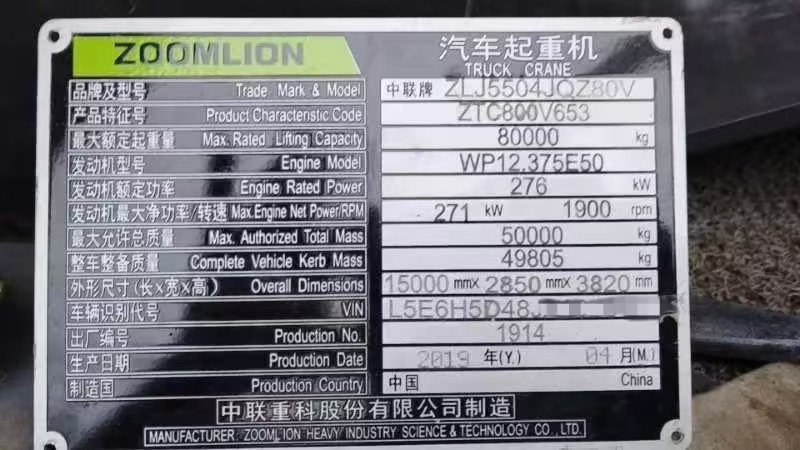
A package becomes valuable when the equipment must work as a system. A high-rise job may need a tower crane, construction hoist, mast sections, spare parts and loading sequence. A dealer may want several models in one shipment to reduce freight and improve sales variety. A contractor entering a new market may need crane, hoist and support equipment with one supplier coordinating documents and loading evidence.
The package is not automatically better. It is better only when it has a written scope. The supplier should confirm model names, year or condition, included components, voltage, mast or boom configuration, safety devices, spare-parts scope, container or breakbulk loading plan and document timeline.
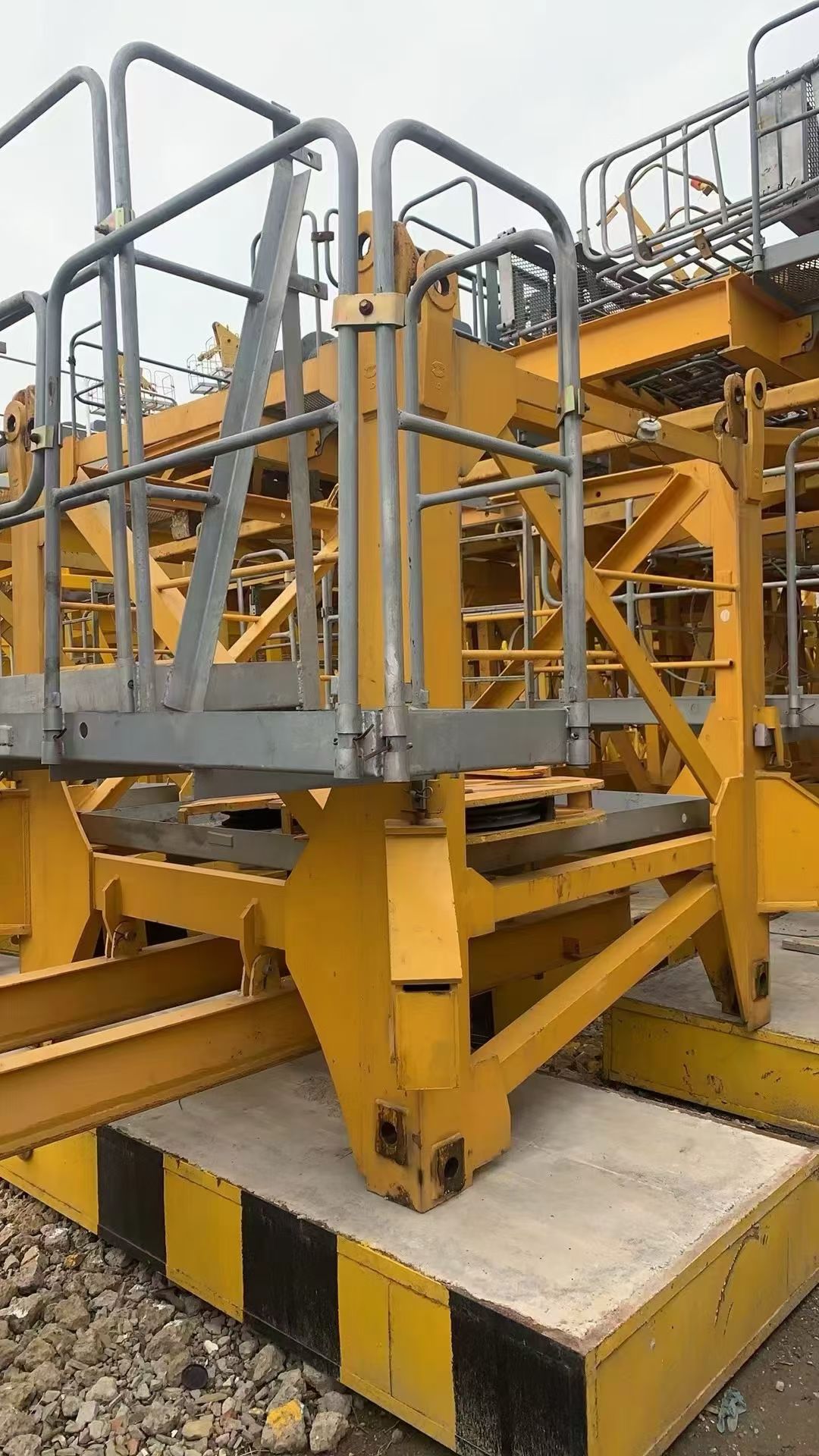
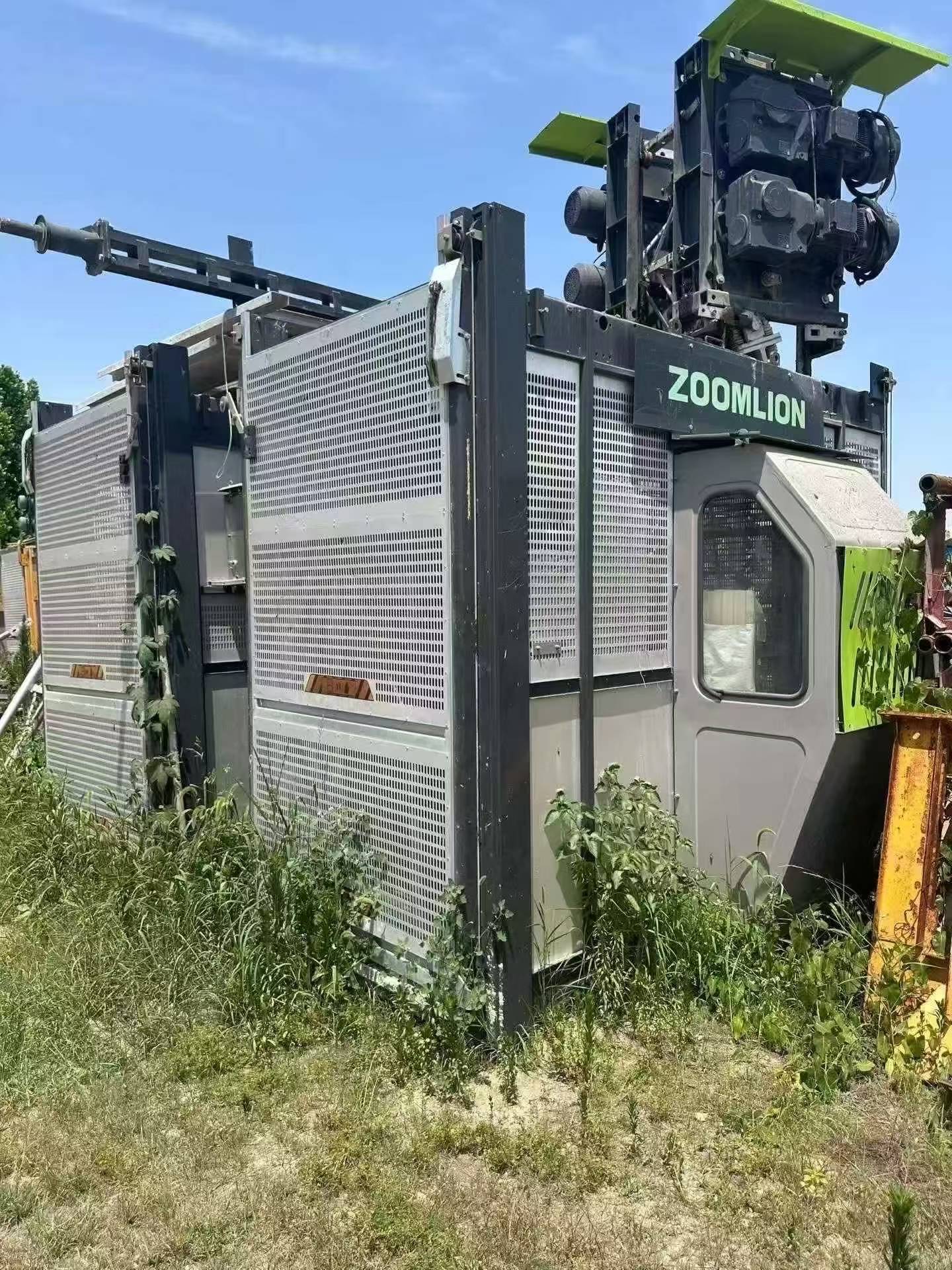
For Sxmachine buyers, a practical package can include used tower cranes such as ZOOMLION or POTAIN units, construction hoists, truck cranes for lifting support, excavators for site preparation and spare parts. The product mix should follow the project, not the seller inventory.
What standards and test indicators should support the decision?
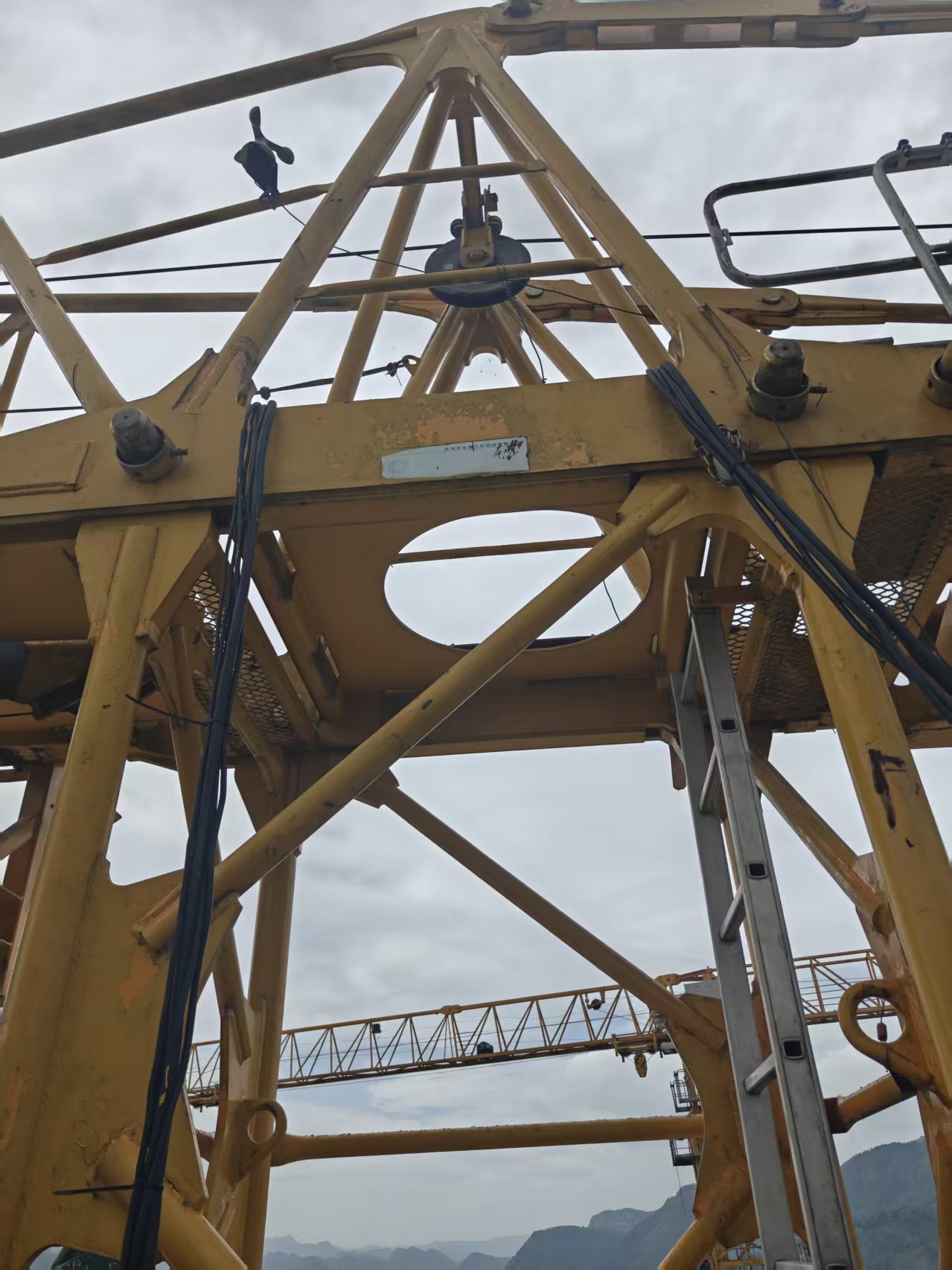
Use standards as inspection logic, not as marketing words. For cranes, buyers can use OSHA and ASME B30 inspection concepts to request proof of hooks, wire rope, brakes, controls, hydraulic systems, structural parts and safety devices. For tower cranes, ISO 9927 inspection logic also points buyers toward structural, mechanism and safety-system evidence.
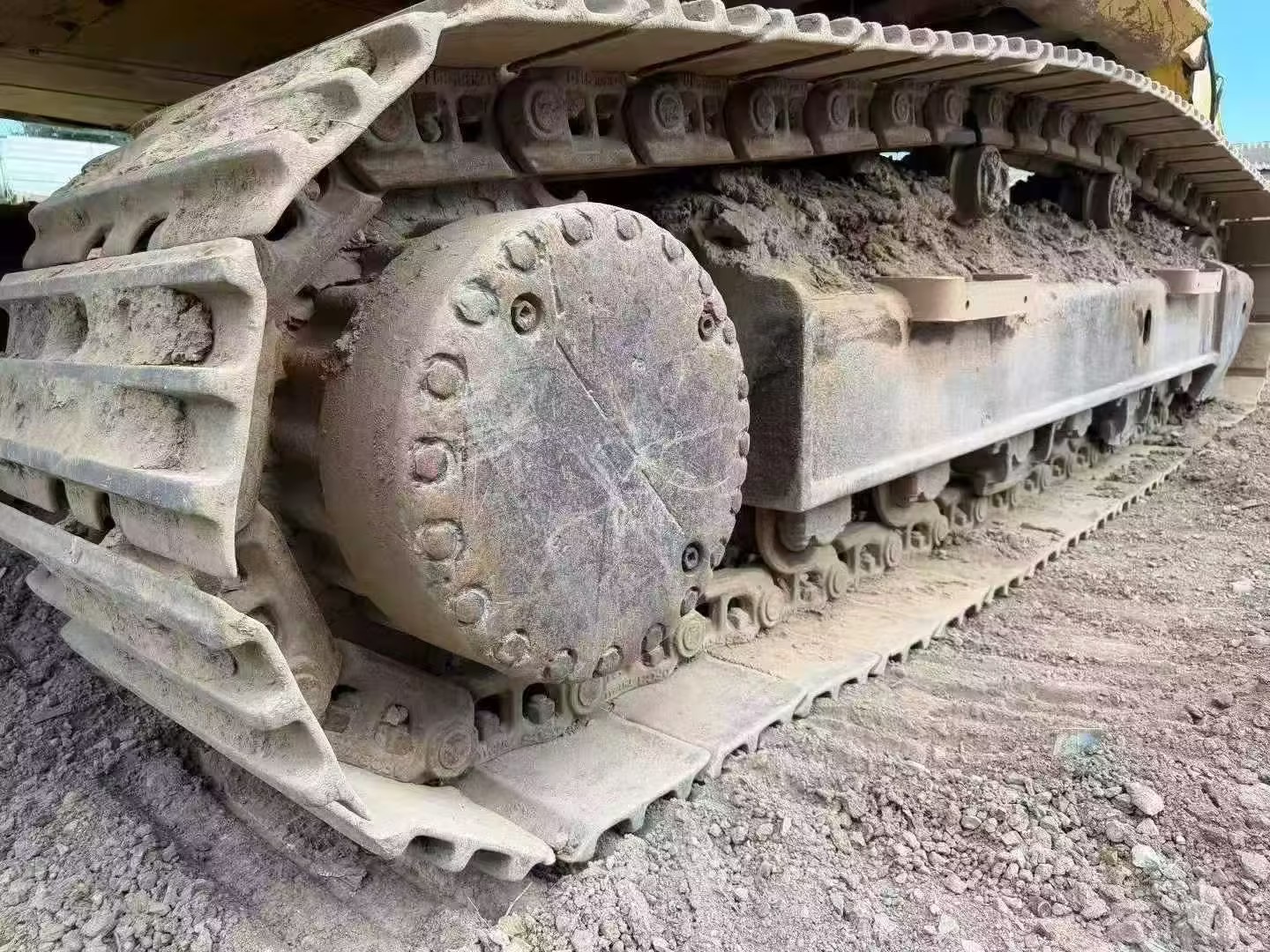
For construction hoists, request safety device status, cage and mast condition, drive unit photos, electrical cabinet photos, landing door or tie-in scope where applicable, and operation video. For excavators, request undercarriage close-ups, hydraulic cylinder photos, engine startup video, swing and travel video, bucket and attachment evidence.
A package should pass a compatibility test: power and voltage, mast or boom configuration, site height, lifting need, missing accessories, loading sequence, destination import rules and document names. If one item fails, the package may still be negotiable, but the risk must be priced before deposit.
How should I choose if both options are available?
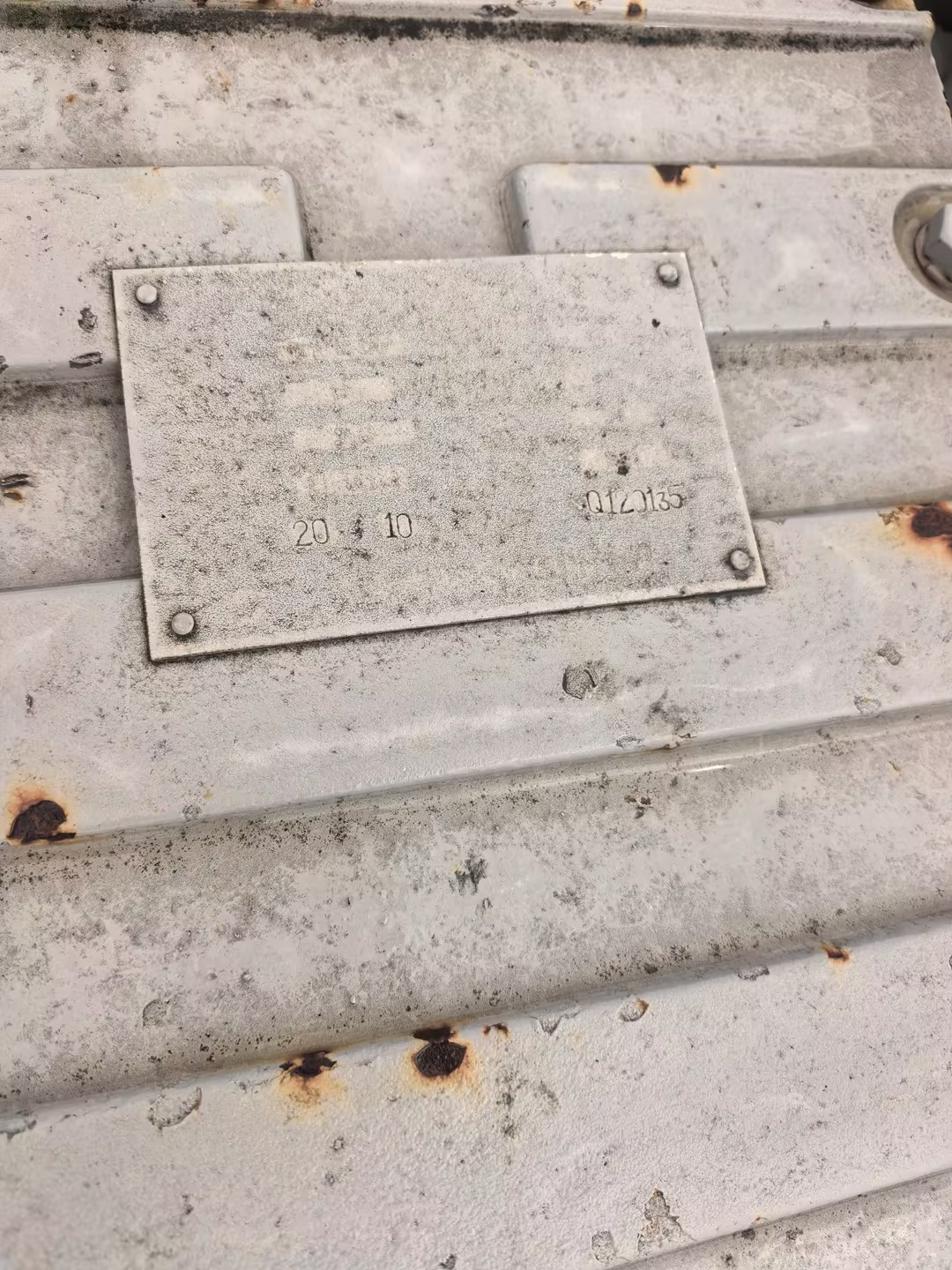
Choose one used machine if your need is clear, your team already controls the jobsite plan, and the machine proof file is strong. Choose a package if the real problem is coordination: several machines must arrive together, fit the same project, share documents, or reduce shipment complexity.
A useful decision test is the 3C test: capacity, compatibility and coordination. Capacity asks whether each machine covers the real job. Compatibility asks whether machines, accessories and power settings fit the site. Coordination asks whether one supplier can organize evidence, packing, payment milestones and loading records. If only capacity matters, buy single. If all three matter, consider a package.
Do not buy a package only because the unit price looks attractive. Buy it when the package removes a real project bottleneck and the supplier can prove every machine with current photos, videos, included scope and export documents.
Decision comparison: single machine vs jobsite equipment package
| Buyer question | Single used machine | Jobsite equipment package | Selection advice |
|---|---|---|---|
| Best use case | One clear equipment gap, such as one crane, hoist or excavator | Multiple machines must work together on one project or shipment | Match the purchase format to the real project problem |
| Main advantage | Simpler inspection, easier price comparison, easier to reject | Better coordination, one proof file, one loading plan, fewer communication gaps | Choose single for simplicity; choose package for coordination |
| Main risk | Missing supporting parts or site equipment after arrival | One unclear item can delay the entire package | Use written scope and checklist before deposit |
| Inspection focus | Machine condition, operation video, accessories and documents | Each machine plus compatibility between machines, parts and loading sequence | Package inspection must include system compatibility |
| Cost logic | Lower upfront cost and lower freight complexity | Higher upfront cost but may reduce delay and duplicate shipment cost | Compare total project cost, not just FOB price |
| Best buyer profile | Dealer or contractor with existing site plan and support equipment | Overseas contractor starting a project or dealer building stock variety | Choose by schedule pressure and coordination capability |
Which option gives stronger buyer value?
Single verified machine
Best when the buyer knows the exact gap and already controls supporting equipment
Coordinated equipment package
Best when the project needs several machines, parts and documents to move together
Mixed package without written scope
Looks convenient but carries high missing-part and compatibility risk
Lowest-price single unit without evidence
Often creates the highest hidden repair and delay exposure
Decision workflow before choosing single or package buying
Define the job
List load, height, site schedule, machine roles, destination port, power needs and budget limit.
Run the 3C test
Check capacity, compatibility and coordination. If only capacity matters, single may be enough.
Build proof file
Request current photos, videos, serial or model evidence, included parts and visible wear points.
Price the scope
Separate machine price, inland transport, loading, freight, documents and first maintenance reserve.
Pay by milestones
Tie deposit and balance to confirmed scope, packing list, loading photos and export documents.
Package or single-machine checklist before deposit
Used construction machinery package inspection and loading preparation video
FAQ
Is an equipment package always cheaper than buying machines separately?
No. A package may reduce coordination and shipment duplication, but it is only cheaper in total if the machines are compatible, complete and needed by the project. Compare total landed cost and delay risk, not only unit price.
What is the safest first purchase for a new overseas buyer?
A first-time buyer should usually start with one verified machine unless the project clearly needs multiple machines together. If buying a package, keep the scope narrow and request a written proof file before paying the balance.
Can Sxmachine combine tower cranes, hoists, excavators and truck cranes in one order?
Yes, when the machines fit the buyer requirement. The recommended process is to define the project first, then match real stock, proof evidence, loading scope and export documents around that project.
What is the biggest hidden risk in a package order?
The biggest hidden risk is unclear scope. Missing mast sections, wall ties, pins, counterweights, safety devices, attachments or document details can delay the full shipment even if the main machines look acceptable.
Related product pages
Need to decide between one machine and a full equipment package?
Send your project height, lifting weight, site schedule, destination port, target budget and current equipment list. Sxmachine can compare single-machine and package options with real photos, videos, included scope and export-ready documentation before you pay a deposit.
Request package selection advice