
The Delay Tax Test: Buy a Used Tower Crane Now, Wait for a Cheaper Unit, or Rent First?
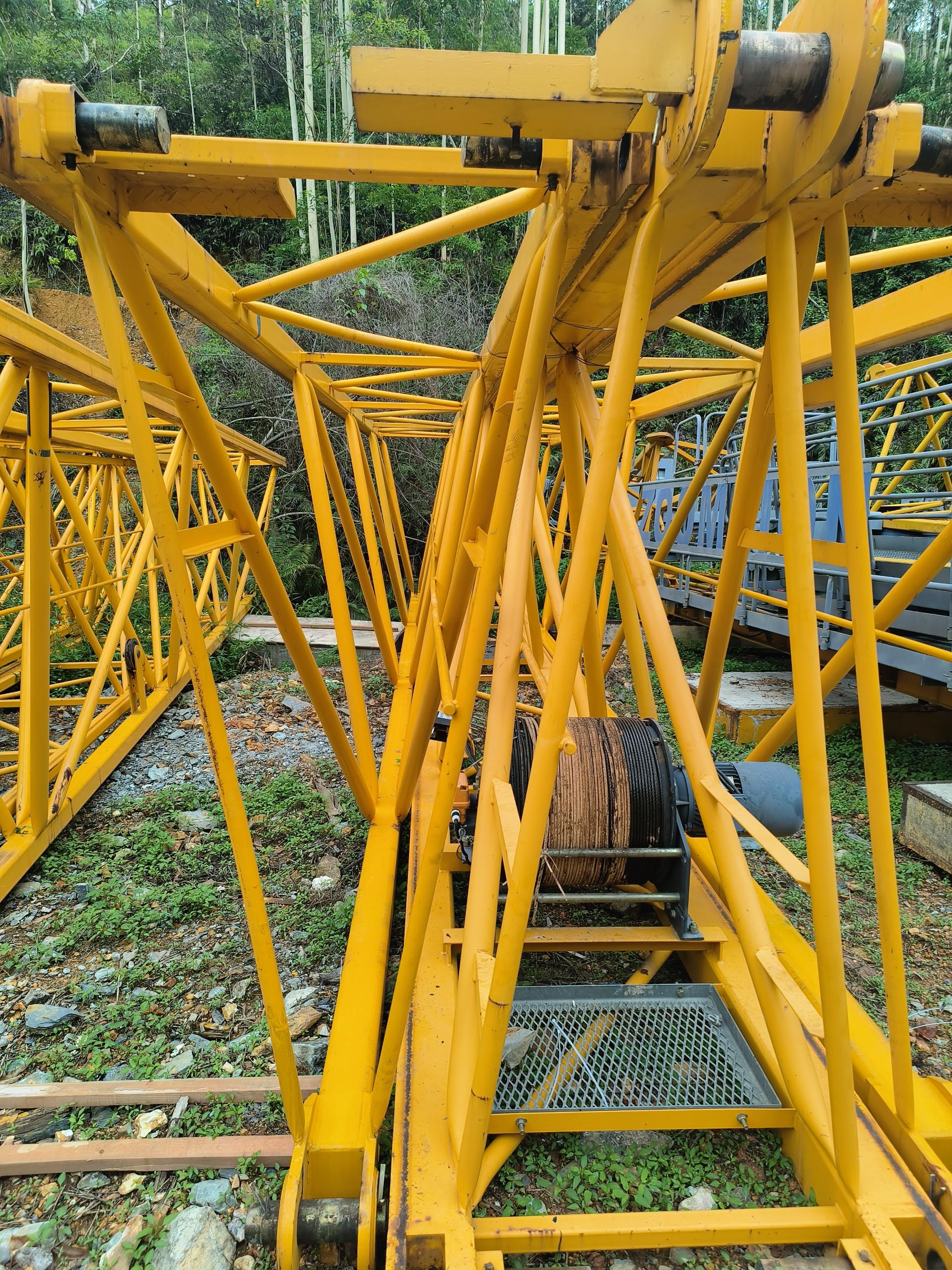
A sharper decision guide for overseas contractors who are stuck between buying a verified used tower crane now, waiting for a cheaper listing, or renting first, with delay-cost logic, utilization signals, inspection proof and a practical purchase checklist.
Expert reviewed by Lee, Construction Machinery Export Advisor
Tower crane sourcing, delay-risk control and export documentation specialist at Sxmachine
Lee helps overseas contractors and equipment dealers compare purchase timing, rental pressure, stock evidence, installation risk and export readiness before committing to used tower cranes from China.
Should you buy the used tower crane now or keep waiting?
Short answer: buy now if the crane is verified, complete and your project delay cost is higher than the possible price drop. Wait if your project has no confirmed start date, the crane proof file is weak, or the supplier cannot list included components. Rent first if you need immediate lifting but the permanent crane specification is still uncertain.
This is the "delay tax" test. A buyer should not ask only, "Can I find a cheaper tower crane next month?" The sharper question is, "What does one month of waiting cost my project, rental fleet or resale plan?" If waiting saves USD 5,000 but delays site progress, customer billing or fleet availability by USD 20,000, the cheaper crane was not actually cheaper.
The best decision is not the fastest purchase. It is the purchase with the smallest combined risk: machine price, missing-parts risk, repair reserve, schedule risk, freight timing and payment safety.
What is the delay tax in used tower crane buying?
Delay tax is the money a buyer loses while waiting for the "perfect" cheaper crane. It can include idle workers, delayed concrete cycles, extended rental of temporary lifting equipment, lost rental income, storage cost, missed tender timing, freight rate changes and extra communication time.
For contractors, the delay tax is usually tied to project schedule. For rental companies, it is tied to fleet utilization and the number of billable months left in the season. For equipment dealers, it is tied to stock turnover and whether buyers still have budget when your crane finally arrives.
A useful decision rule: if the project is confirmed, site access is ready, and a verified crane already matches the job, waiting should have a clear financial reason. Waiting only because another lower-price listing might appear is not a procurement strategy.
When is waiting for a cheaper tower crane actually smart?
Waiting is smart when your job specification is not fixed. If the building height, jib length, mast type, power standard, installation method or destination import requirement is still changing, buying early can create a wrong-machine problem. A cheap crane that does not fit the final site is expensive.
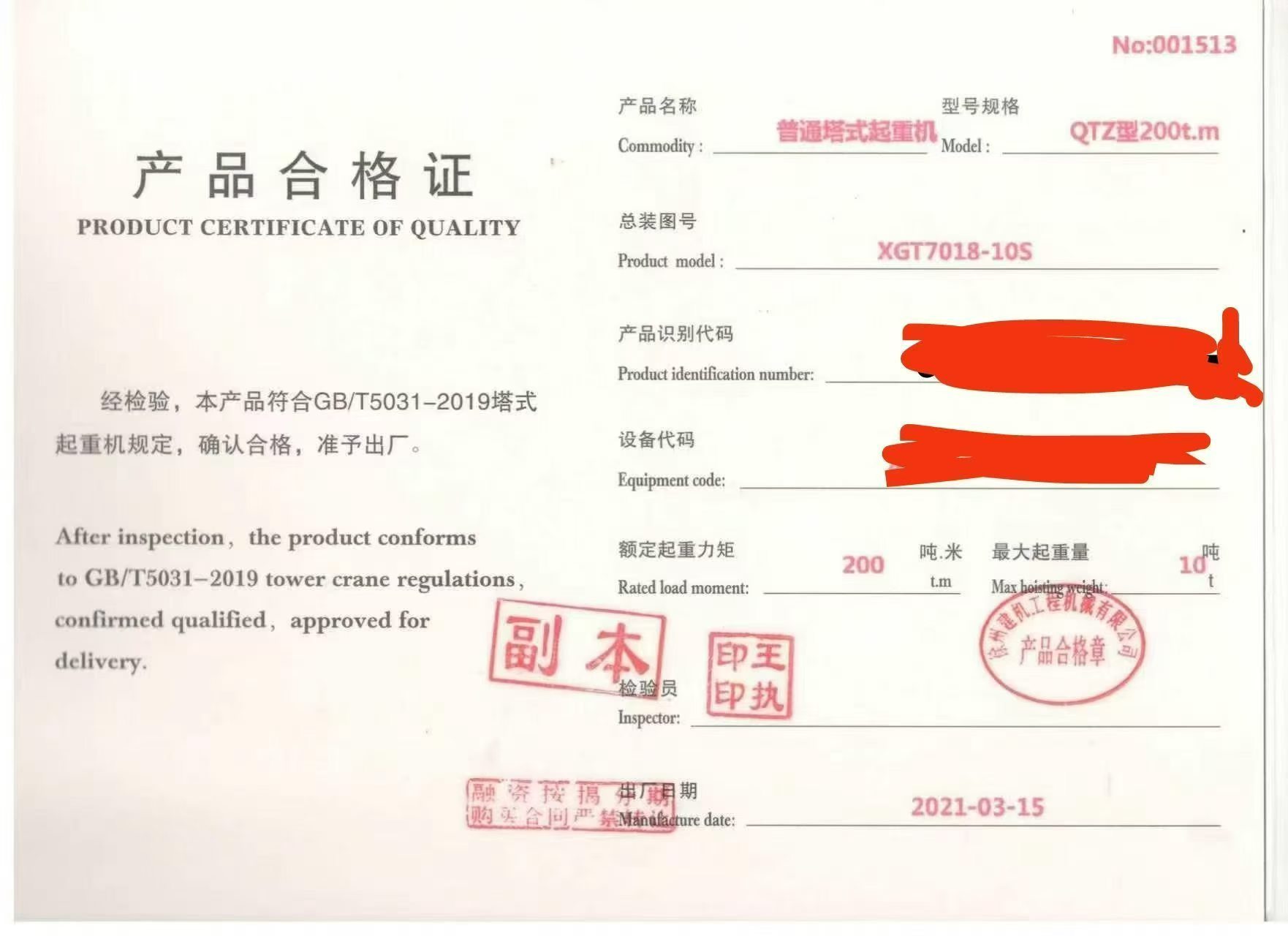
Waiting can also be smart when the current offer has missing proof. If the seller cannot provide current photos, operation video, component list, mast and jib scope, nameplate evidence or export document plan, the low price is only a number. In that case, waiting for a better-documented unit is a risk-control move.
But waiting should have a trigger. For example: wait until the project drawing is confirmed, until a 10 ton or 12 ton requirement is settled, or until the supplier sends complete proof. Do not wait forever for an undefined discount.
Should you rent first instead of buying immediately?
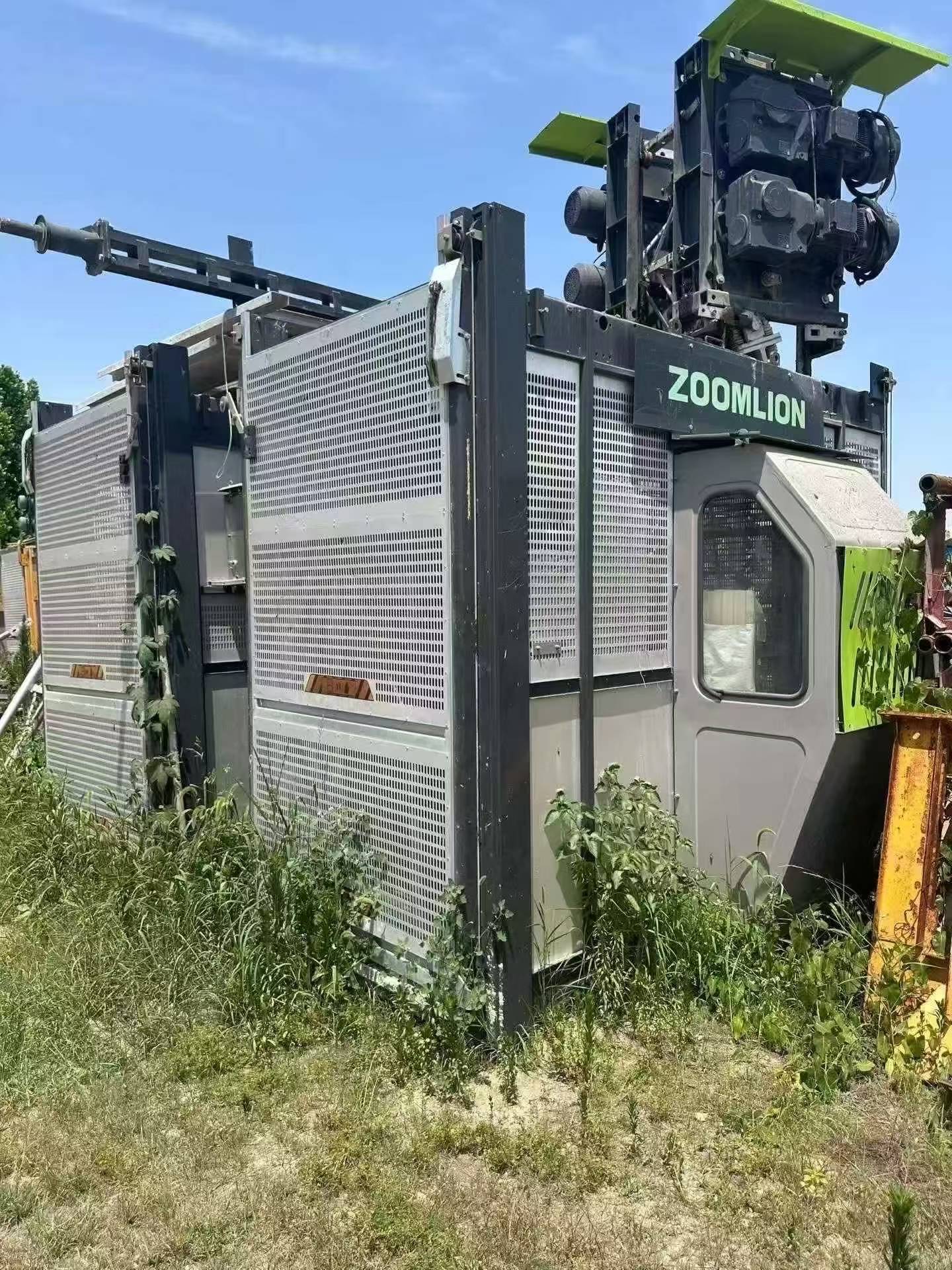
Renting first is useful when the project needs lifting immediately but the long-term crane choice is not clear. It can protect schedule while the buyer confirms height, load chart, jib length, foundation plan, mast compatibility and destination certification needs.
The danger is renting for too long. Rental can become a hidden purchase if monthly cost keeps running while the buyer hesitates. A rent-first plan should have a decision deadline: after drawings are frozen, after the first project phase, or after the supplier confirms a verified stock crane.
For some buyers, a blended strategy works best: rent locally for the urgent phase, then import a verified used tower crane or a newer China-brand unit for the longer project cycle.
What proof turns a used crane from risky to buyable?
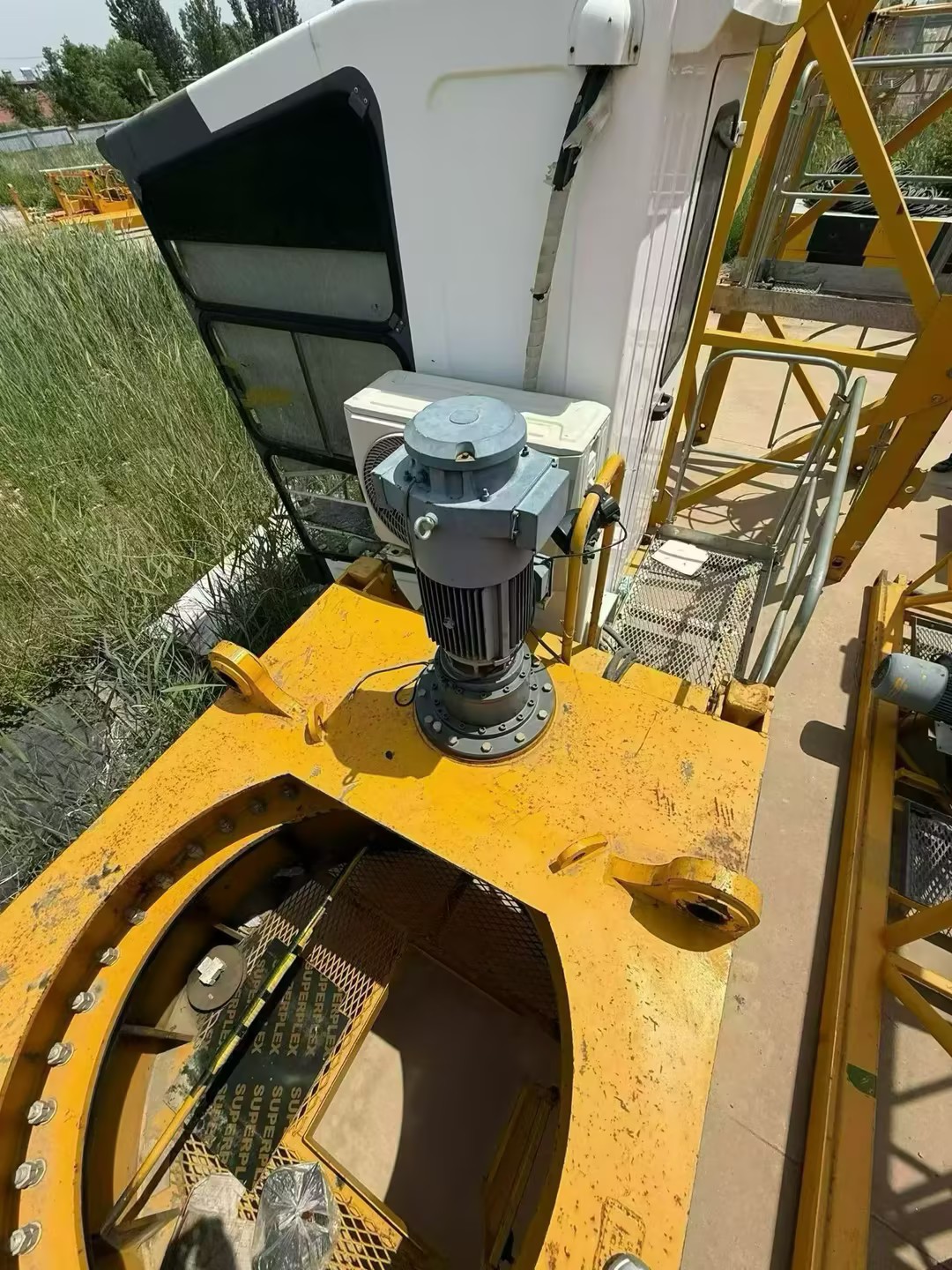
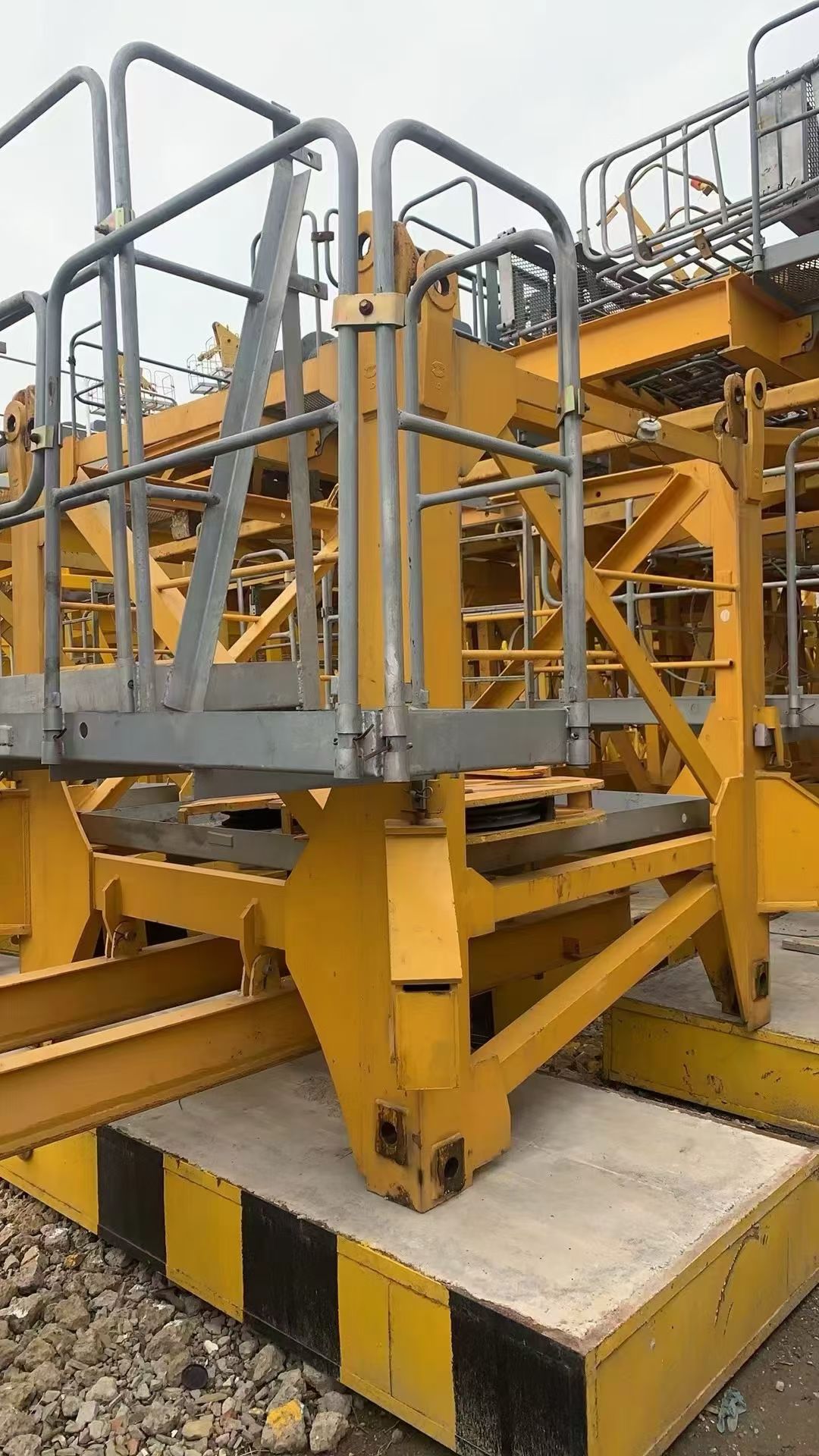
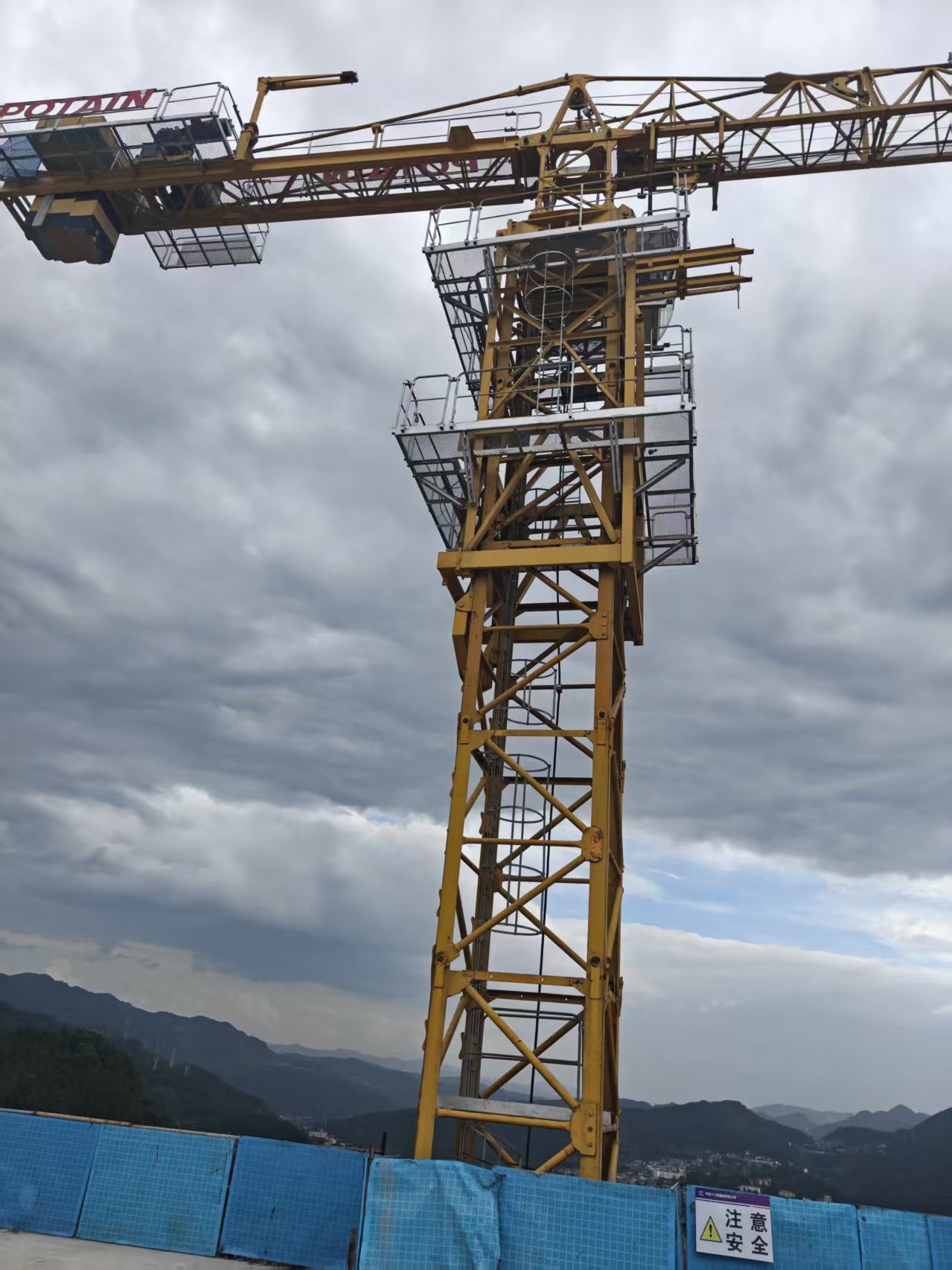
A buy-now decision needs proof. Ask for current yard photos, close-ups of mast sections, jib sections, mechanisms, cabin, electrical cabinet, pins, platforms, ladders and counterweights. Request operation videos showing hoist, trolley or luffing, slewing, brake response and visible control status where possible.
Use inspection logic from recognized crane standards and guidance. OSHA and ASME B30 inspection concepts point buyers toward wire rope, hooks, brakes, controls, safety devices, structure and operating mechanisms. ISO 9927 crane inspection logic supports the same idea: judge the machine as a working system, not as a set of attractive photos.
The buyer should also request a packing scope and export document plan. A crane with strong mechanical proof but unclear shipping scope can still become a problem at loading time.
How should an overseas buyer make the final decision?
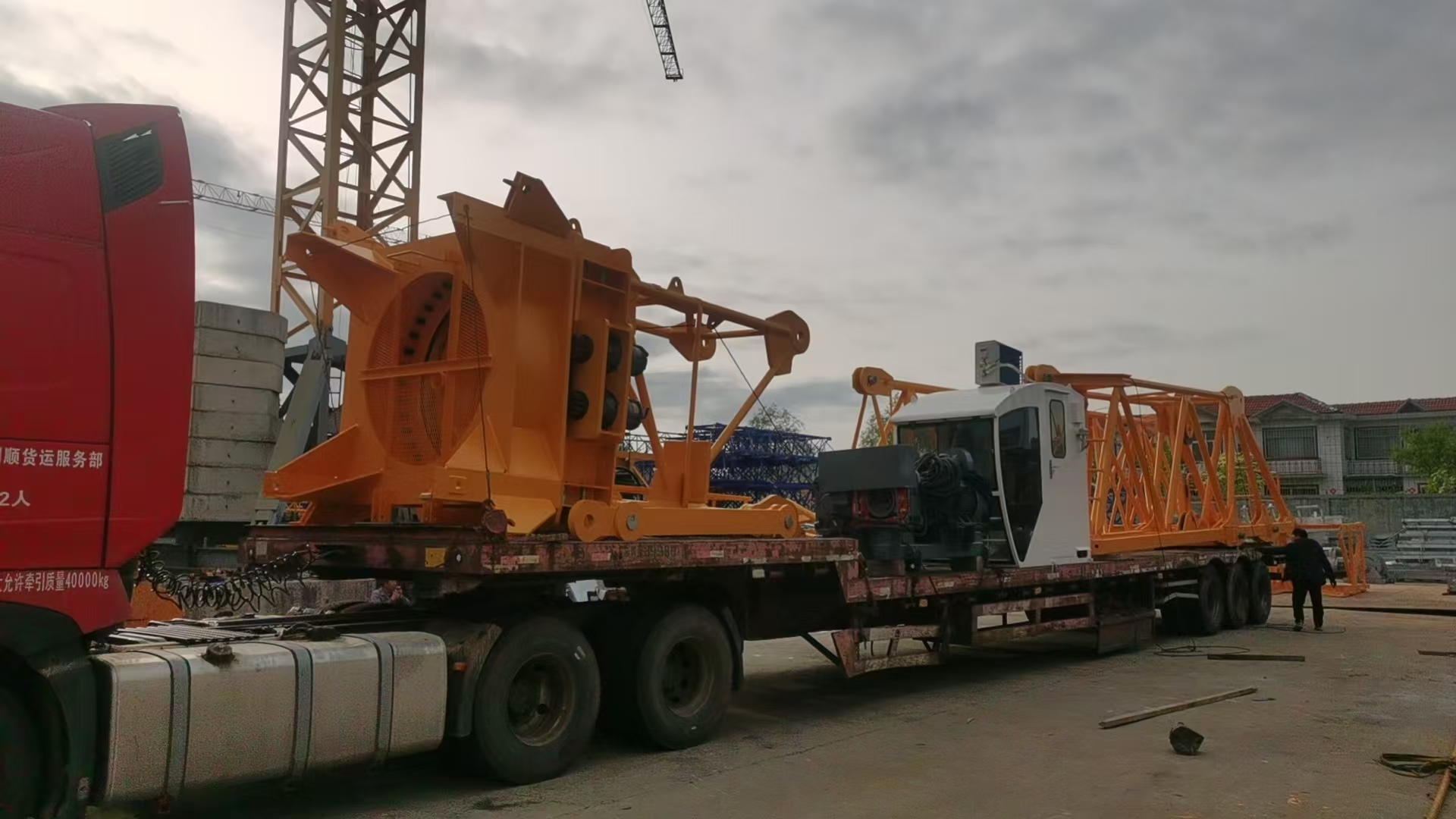
Use a three-number decision: delay cost, repair reserve and proof score. Delay cost tells you what waiting costs. Repair reserve tells you what early buying might still require after arrival. Proof score tells you whether the offer is real enough to trust.
Buy now when delay cost is high, repair reserve is acceptable and proof score is strong. Wait when delay cost is low and the current offer has missing information. Rent first when delay cost is high but the final crane specification is not yet stable.
Sxmachine can fit into this decision without forcing a sale. If the buyer sends project height, load, jib length, destination port and timeline, we can compare available used POTAIN, ZOOMLION, XCMG, COMANSA or China-brand stock against the delay tax and proof file before the buyer pays a deposit.
Decision table: buy now, wait, or rent first
| Decision signal | Buy now | Wait | Rent first |
|---|---|---|---|
| Project start date | Confirmed and close | Unclear or delayed | Immediate work starts before final spec is ready |
| Proof file quality | Current photos, video, component list and document plan are strong | Missing photos, missing component list or unclear supplier support | Proof still being checked while site needs temporary lifting |
| Delay cost | Higher than likely price discount | Low enough to keep searching | High, but purchase risk is still unresolved |
| Specification certainty | Load, jib, height, mast and voltage are fixed | Specifications still changing | Temporary requirement is clear, permanent requirement is not |
| Cash-flow pressure | Deposit and balance can be tied to evidence milestones | Budget is not ready or payment timing is uncertain | Short-term rental protects cash while buying decision matures |
| Best buyer type | Contractor with confirmed project or dealer with ready customer | Buyer researching stock without urgent site need | Contractor under schedule pressure but still finalizing design |
Delay-tax scorecard for procurement decisions
Verified crane, urgent project
Buy now if evidence is strong and delay cost exceeds possible savings
Weak evidence, urgent project
Do not rush; rent first or demand stronger proof before deposit
Strong evidence, flexible project
Negotiate, but waiting is acceptable if schedule has room
Cheap listing, unclear scope
High chance of hidden costs from missing parts, repairs or loading gaps
Delay-tax buying workflow
Calculate waiting cost
Estimate idle site cost, lost rental income, temporary lifting cost and schedule penalty per week.
Freeze the job spec
Confirm load, radius, jib length, mast type, height, voltage, foundation and destination port.
Score the proof file
Review current photos, action videos, component list, serial evidence and visible wear points.
Price the real landed cost
Add machine price, repair reserve, inland transport, loading, freight, documents and first maintenance.
Choose the least risky path
Buy, wait or rent first based on delay cost, proof quality and specification certainty.
Delay-tax checklist before paying a deposit
Used tower crane stock proof, inspection and export loading preparation video
FAQ
Is waiting for a cheaper used tower crane usually worth it?
Only when the project is not urgent or the current offer has weak evidence. If the project is active and the crane is verified, waiting for an uncertain discount can cost more than it saves.
How do I estimate delay tax for a tower crane purchase?
Add weekly site delay cost, temporary rental cost, lost rental income, freight change risk and management time. Compare that number with the realistic price discount you expect by waiting.
When should I rent before buying?
Rent first when lifting must start immediately but final crane specifications are still changing. Set a decision deadline so rental does not become a long-term hidden cost.
What makes a used tower crane safe enough to buy quickly?
A strong proof file: current photos, action videos, component list, configuration match, visible condition details, loading plan, export documents and payment milestones tied to evidence.
Related product pages
Want to know whether waiting is costing more than buying?
Send your project start date, required load, jib length, height, destination port and target budget. Sxmachine can compare current stock, proof files and export timing so you can decide whether to buy now, wait or rent first.
Request a delay-tax buying check