
Remote Inspection vs Flying to China: Should You Pay a Deposit on Used Construction Machinery in 2026?
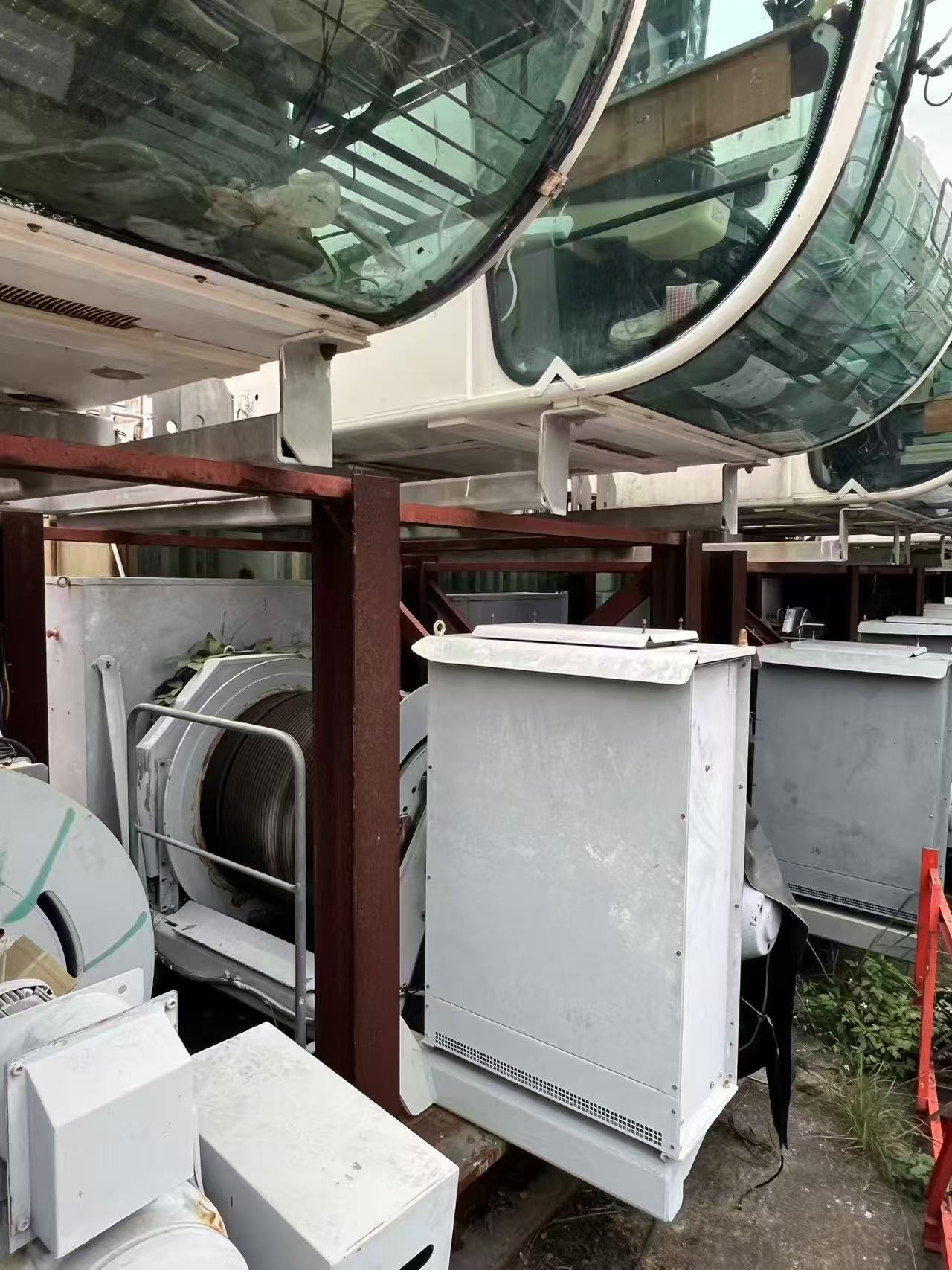
A decision-focused guide for overseas buyers deciding whether remote inspection evidence is enough before paying a deposit for used tower cranes, truck cranes, hoists, excavators and foundation equipment from China.
Expert reviewed by Lee, Construction Machinery Export Advisor
Used equipment sourcing, remote inspection and export documentation specialist at Sxmachine
Lee helps overseas contractors, rental companies and machinery dealers reduce payment risk by comparing current stock photos, operation videos, component scope, inspection evidence, loading files and export documentation before deposit.
Can I pay a deposit after remote inspection, or should I fly to China first?
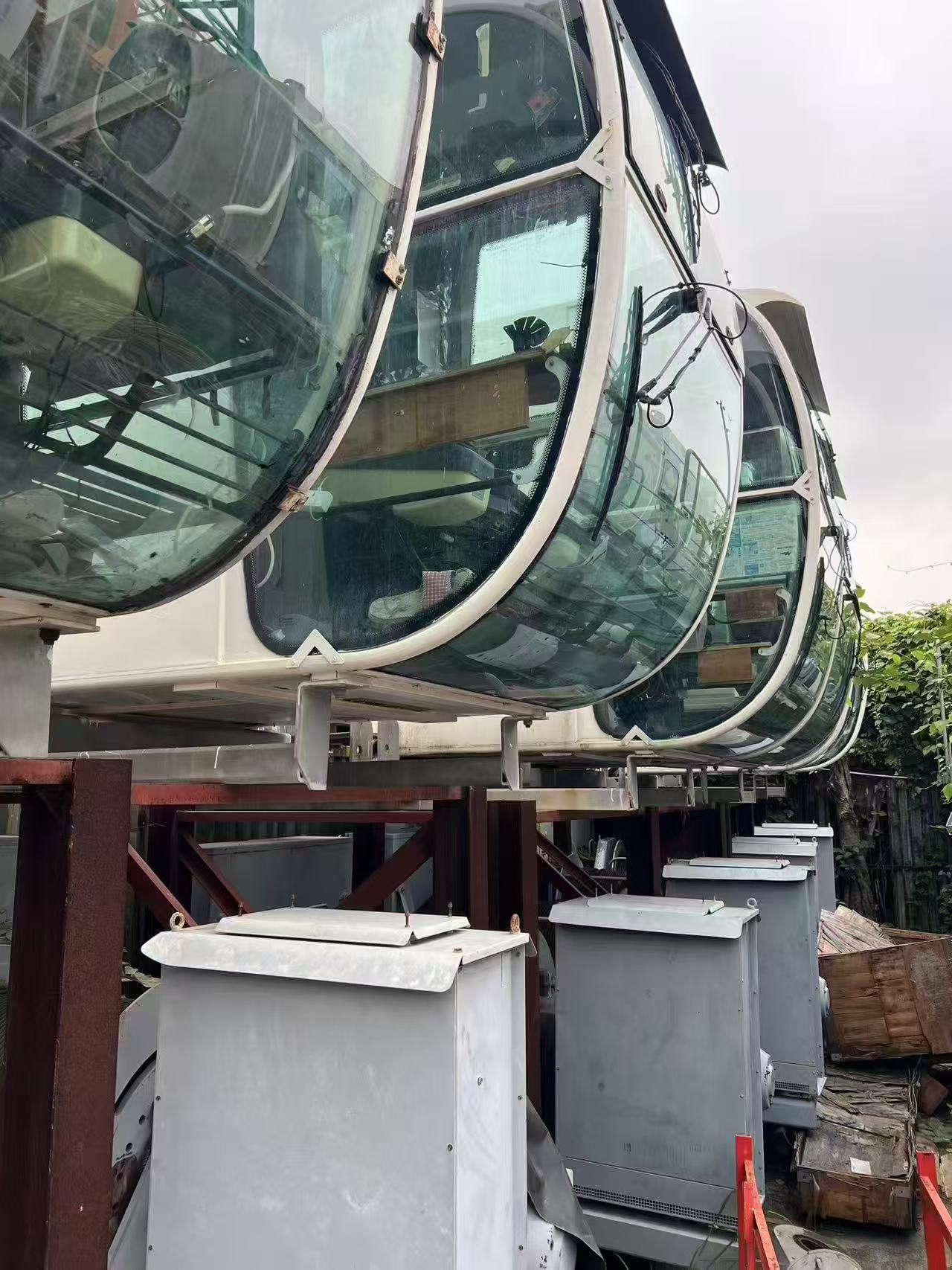
Short answer: remote inspection is enough for a deposit only when the supplier gives you a complete proof file: current photos, function videos, model or serial evidence where available, included-parts scope, visible wear-point photos, loading plan and written export document path. If the proof file is weak, fly to China, appoint a third-party inspector or do not pay yet.
This is the practical 2026 decision: do not ask whether remote buying is safe or unsafe. Ask whether the evidence is strong enough for the risk level of the machine. A small spare part, a used 25 ton truck crane and a 20 ton tower crane do not need the same proof depth. The larger the machine, the more the deposit should depend on visible evidence and written scope.
For overseas buyers, the best route is often not a full trip or blind payment. It is a staged process: remote proof first, optional third-party inspection for high-value units, deposit tied to written scope, and final balance tied to loading photos and export files.
Why is remote inspection becoming a serious buying method in 2026?
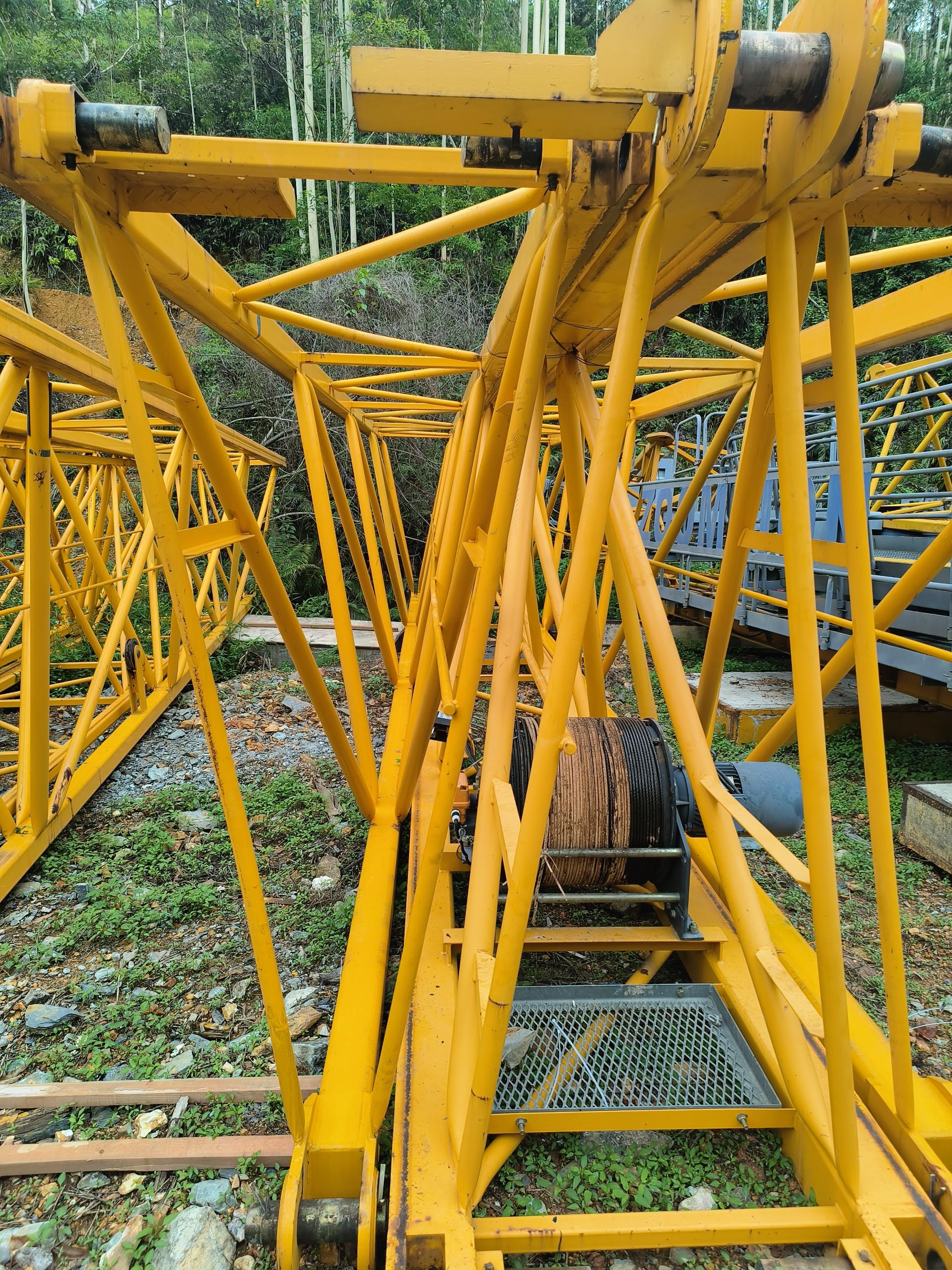
The trend is not simply online buying. It is evidence-based procurement. Deloitte reported on November 13, 2025 that engineering and construction firms entered 2026 with pressure from costs, supply-chain disruption, labor shortages and digital transformation. When contractors are protecting cash and schedule, equipment purchase decisions need clearer proof before money moves.
At the same time, rental demand is rising. Grand View Research reported in June 2026 that the global construction equipment rental market is projected to grow from USD 224.3 billion in 2026 to USD 339.0 billion by 2033. The same report notes that used and refurbished equipment can be a lower-cost alternative to rental for smaller contractors and short-duration projects. This creates a sharper decision: buy used equipment only when the evidence proves the machine can work and ship.
AI search also changes buyer behavior. Buyers compare suppliers faster, translate details instantly and ask for proof files before speaking to sales. A supplier with current photos, videos, structured product details and clear answers will win trust faster than a seller with only low prices and old pictures.
What are buyers really afraid of before sending a deposit?
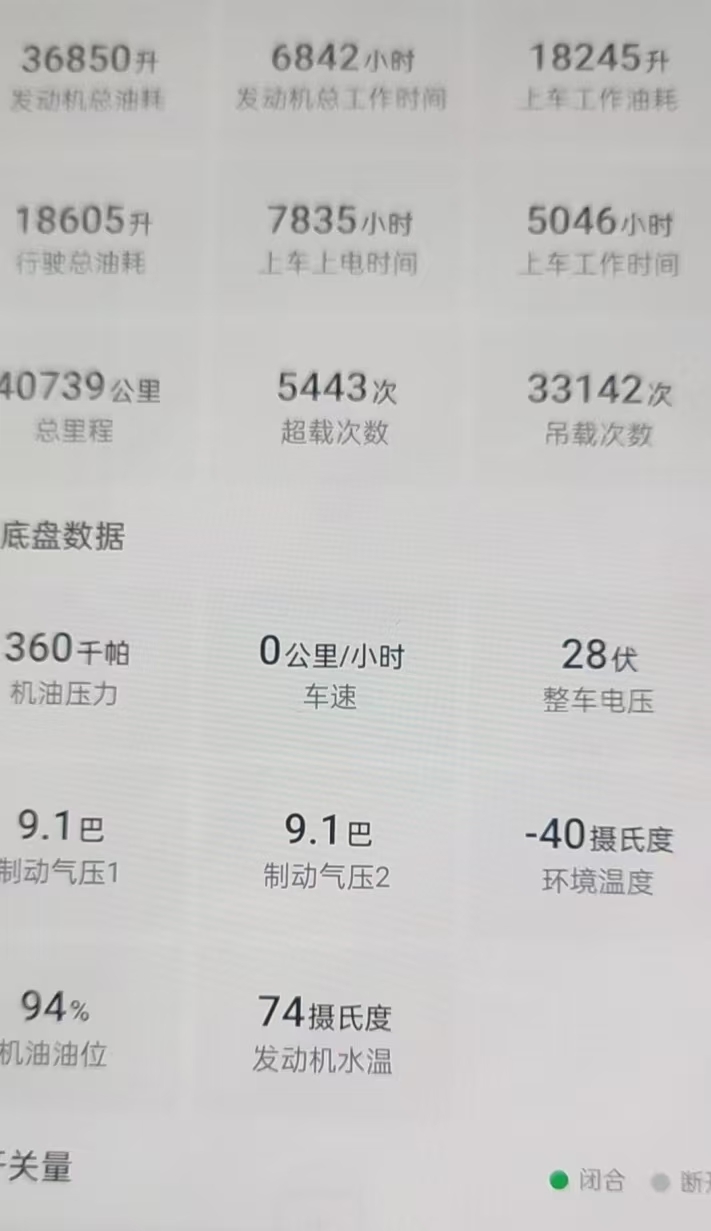
The real fear is not only losing the deposit. Buyers worry that the machine in the photos is not the exact machine being sold, the year or model is unclear, important accessories are missing, the machine cannot perform the promised action, repairs are hidden, or the seller changes the scope after payment.
For tower cranes, missing mast sections, pins, platforms, ladders, slewing mechanisms, hoist parts, electrical cabinets and safety devices can change the true cost. For truck cranes, hidden issues often involve boom sections, hydraulic cylinders, outriggers, tires, wire rope, hook block, counterweights and load moment indicators. For excavators, buyers worry about undercarriage, pump, engine startup, hydraulic leaks and attachment scope.
A proper remote inspection does not remove every risk, but it makes the risk visible before payment. That is the difference between a controlled deposit and a gamble.
Which inspection standards should guide remote evidence?
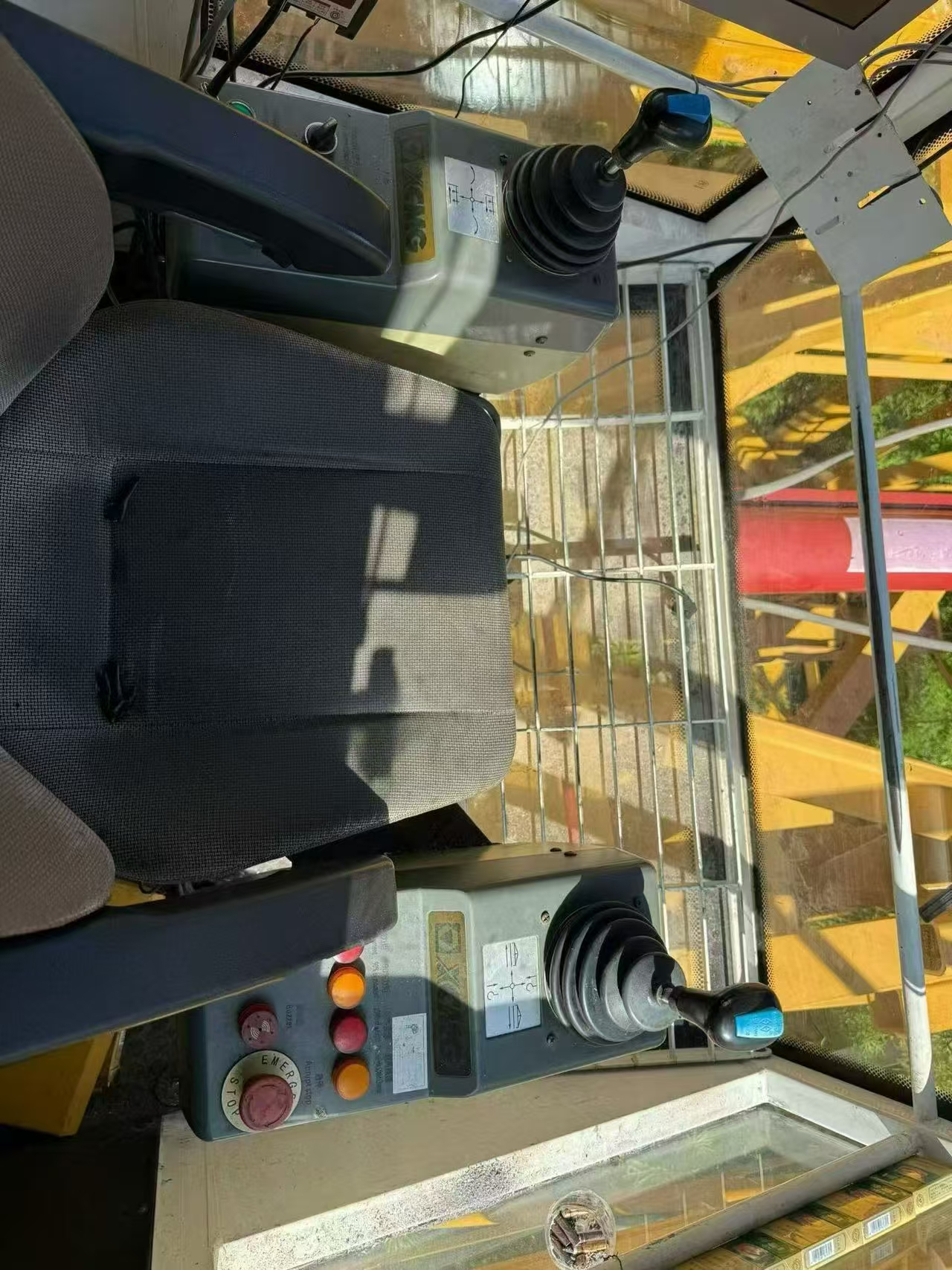
Use recognized safety and inspection standards as a checklist language, not as empty decoration. ASME B30.5 covers mobile crane construction, inspection, testing, maintenance and operation. OSHA 1926.1412 describes crane inspection expectations, while OSHA 1926.1413 covers wire rope inspection. ISO 9927-1 also gives a crane inspection framework.
For a remote buyer, standards should become visual proof requests. Ask for photos of structural members, weld areas, pins, wire rope, hooks, brakes, hydraulic cylinders, controls, electrical cabinet, safety devices and wear points. Ask for videos showing startup, lifting, slewing, travel, boom or jib movement, hoisting and braking behavior where relevant.
The goal is not to pretend a used machine is new. The goal is to confirm whether the visible condition matches the price, project risk and export scope.
How should I choose between remote inspection, third-party inspection and visiting the yard?
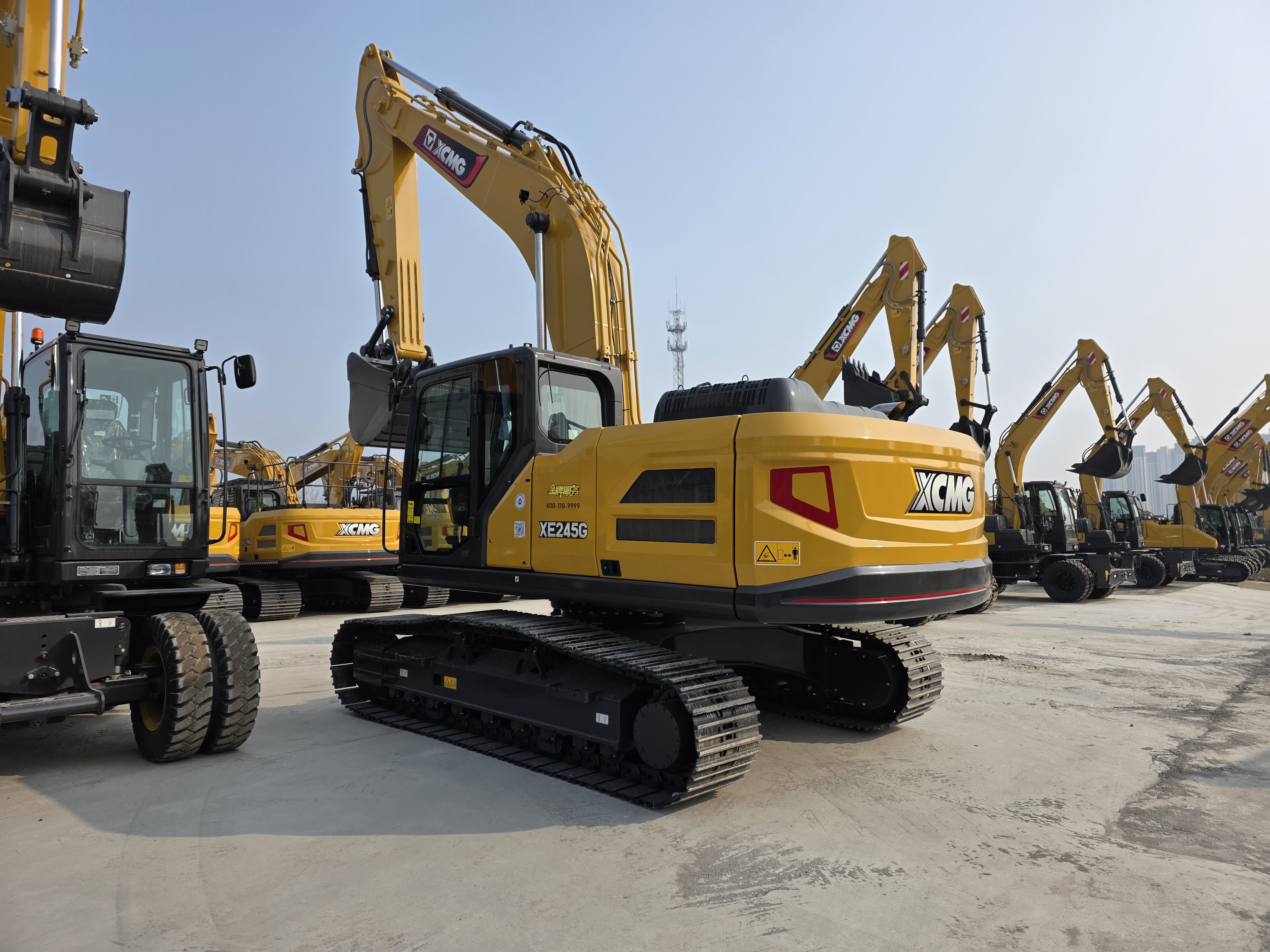
Choose remote inspection when the machine value is moderate, the supplier can provide a complete proof file, and your project specification is clear. Choose third-party inspection when the machine is high-value, technically complex or the destination buyer requires independent evidence. Choose an on-site visit when you are buying multiple units, building a long-term supplier relationship or the proof file leaves important questions unanswered.
Sxmachine fits buyers who want the evidence-first route without turning every purchase into a long trip. For example, buyers can request current stock photos and videos for used tower cranes such as ZOOMLION W6017-10E, POTAIN MCR225, XCMG 6515-10, truck cranes such as SANY 50 ton units, construction hoists, excavators and foundation equipment. The point is not to force a fast deposit; it is to build enough evidence for a rational decision.
A simple rule works well: if the supplier cannot show the machine clearly, do not pay. If the supplier can show it clearly but the machine is expensive, add third-party inspection. If the machine package is large or strategic, visit the yard and use the trip to verify both stock and supplier process.
Decision table: remote inspection, third-party inspection or visit China?
| Buying route | Best when | Main proof required | Main risk | Selection advice |
|---|---|---|---|---|
| Remote inspection | Moderate-value machine, clear spec, responsive supplier | Current photos, operation videos, component scope, model evidence and loading plan | Seller may avoid showing weak points | Use when evidence is complete and payment is staged |
| Third-party inspection | High-value unit, complex crane, foundation machine or fleet purchase | Inspector report, photos, video, serial/model check and function observation | Extra cost and scheduling delay | Use when the deposit risk is larger than inspection cost |
| Visit China yard | Multiple machines, long-term supplier selection or unresolved doubts | Physical inspection, supplier office check, yard stock review and document discussion | Travel cost, time and visa planning | Use when relationship and stock scale matter |
| Pay without proof | Almost never recommended for export buyers | Only seller promise or old pictures | Wrong machine, missing parts, deposit loss and shipment delay | Avoid unless the amount is very small and you accept the risk |
Trust score for deposit decisions
Remote inspection plus written scope and staged payment
Efficient and practical for many export buyers when proof is complete
Third-party inspection before deposit or before balance
Best for high-value cranes, foundation equipment and fleet purchases
On-site visit for multi-machine sourcing
Strongest supplier relationship check, but slower and more expensive
Low price with old photos and no working video
High risk because the discount may hide missing parts or repair exposure
Remote-inspection deposit workflow
Freeze the buying spec
Confirm model, year range, capacity, jib or boom length, mast type, voltage, accessories, destination port and budget.
Request the proof file
Ask for current photos, action videos, model evidence, visible wear points, included scope and export document path.
Score the evidence gap
List what is still unknown: missing accessories, hydraulic condition, electrical state, safety devices, serial details or loading plan.
Choose inspection route
Use remote proof for moderate risk, third-party inspection for high risk, and yard visit for multi-unit or strategic sourcing.
Tie payment to milestones
Connect deposit, inspection, balance and loading to written scope, proof updates, loading photos and documents.
Remote inspection checklist before paying a deposit
Remote used machinery inspection, stock proof and export preparation video
FAQ
Is remote inspection enough to buy used construction machinery from China?
Remote inspection can be enough for a deposit when the proof file is complete, current and specific to the exact machine. For high-value or complex units, add third-party inspection before deposit or before final balance.
What should I ask for before paying a deposit?
Ask for current photos, operation videos, model or serial evidence where available, included-parts scope, visible wear-point photos, loading plan, export document path and written payment milestones.
When should I not pay a deposit?
Do not pay when the seller only provides old photos, avoids showing weak points, cannot confirm included accessories, refuses video evidence or cannot explain the export document and loading process.
Is third-party inspection worth the cost?
It is worth the cost when the machine value is high, the repair risk is expensive, or the buyer needs independent evidence for management approval, financing or resale.
Can Sxmachine prepare a remote inspection proof file?
Yes. Sxmachine can prepare current stock photos, operation videos, included-scope notes, visible wear-point checks, loading preparation and export document guidance for available used machinery.
Should I visit China before buying multiple machines?
For a multi-machine order or long-term supplier relationship, visiting the yard can be useful. For a single verified unit, a strong remote proof file plus optional third-party inspection is often more efficient.
Related product pages
Need a proof file before you pay a deposit?
Send the machine type, model, target capacity, destination port and budget range. Sxmachine will help compare available stock and prepare the photos, videos, included scope and inspection checklist needed for a safer deposit decision.
Request remote inspection proofReferences
- Deloitte 2026 Engineering and Construction Industry Outlook
- Grand View Research construction equipment rental market 2026-2033
- Grand View Research construction equipment market 2026-2033
- ASME B30.5 mobile and locomotive cranes
- OSHA 1926.1412 crane inspections
- OSHA 1926.1413 wire rope inspection
- ISO 9927-1 crane inspections