
Used Excavator First-Service Budget: Wear Parts, Inspection Evidence and Repair Allowances
Budget for a used excavator by separating evidenced work due before use, conditional repair allowances and later operating costs. Request service history, measured wear and parts/labor quotations for the actual machine. A low purchase price, fresh paint or a claimed new undercarriage cannot establish the cost of getting it ready for your first job.
To save a copy, select “Save as PDF” in your browser’s print dialog.
Choose the machine for the job before estimating service costs
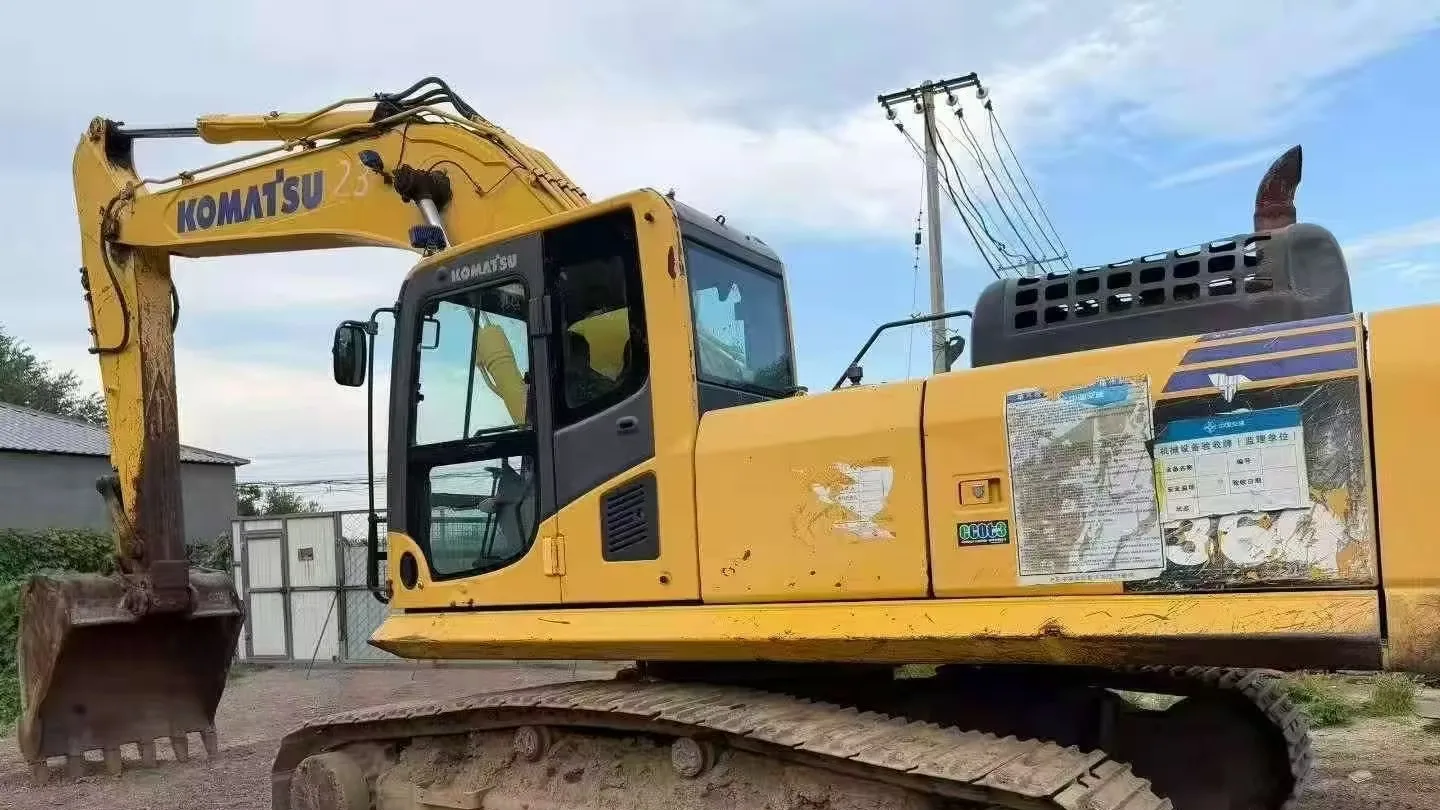
The Komatsu PC360-8Mo listing and LIUGONG 920 listing provide two starting points for a machine-specific enquiry. They are different models and should not be treated as equivalent output or cost alternatives. Define the intended digging duty, material, attachments, access and transport constraints first. Then assess the selected unit, its service support and preparation needs. Confirm the serial identity and age evidence rather than inferring manufacture year from a listing URL.
Establish a service baseline from records and inspection
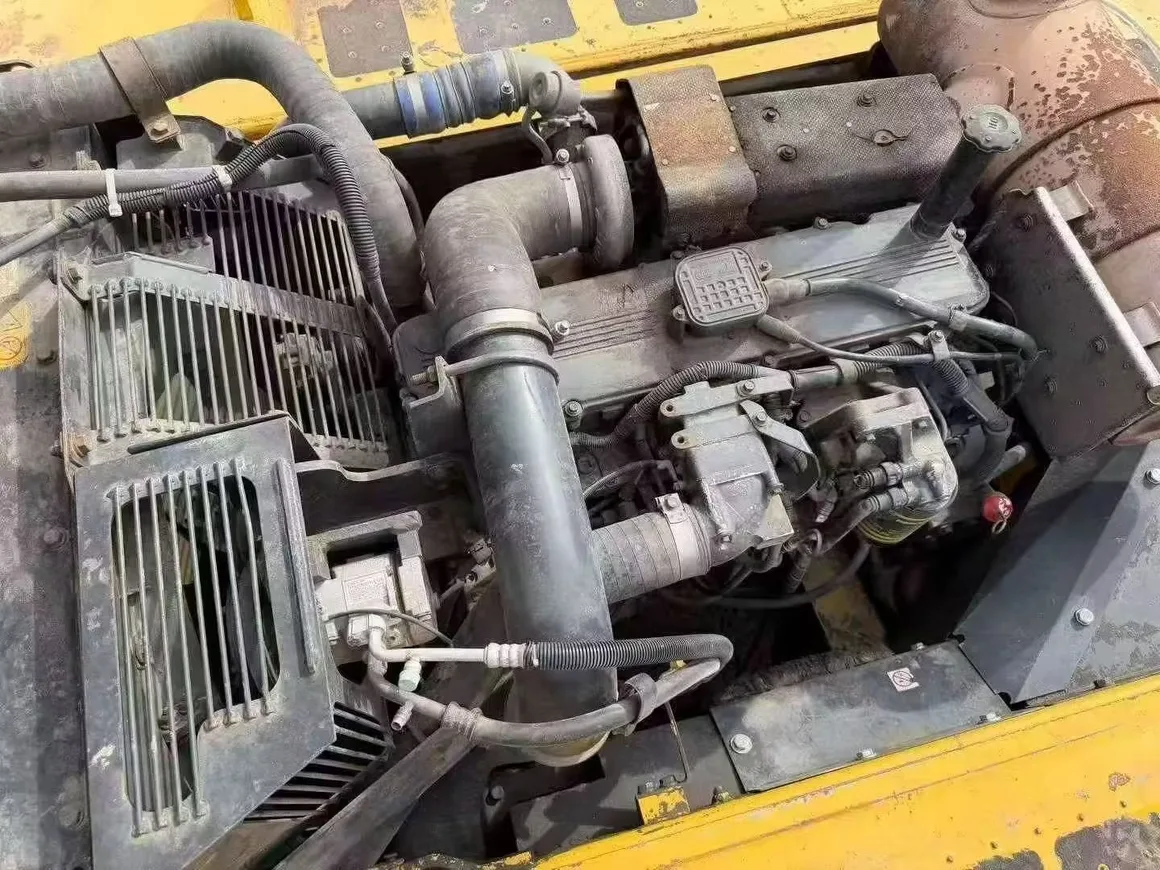
Request the operating-hours evidence, maintenance records, dates and hours of relevant service work, fluid/filter specifications and the applicable operation and maintenance manual. Ask a competent technician to identify what is due, what has been documented as completed and what remains unknown. Do not transplant a generic service interval or fluid specification from a different model. Where history is incomplete, obtain a written baseline-service recommendation for the actual unit rather than declaring that every fluid and component must automatically be replaced.
Measure wear before pricing replacement packages
For the undercarriage, request a measured condition report and component identification rather than a percentage-life estimate based on photographs. If “new undercarriage” is claimed, ask which components were changed, their references, supporting invoices if available and the remaining components’ condition. Komatsu’s inspection service describes measured assessment and reporting; it is a reference for the kind of evidence to request, not proof that either listed unit has received that service. Bucket teeth, cutting edges, pins, bushings, tracks, rollers and other wear items need their own assessment and compatible parts references.
Separate definite work from conditional allowances
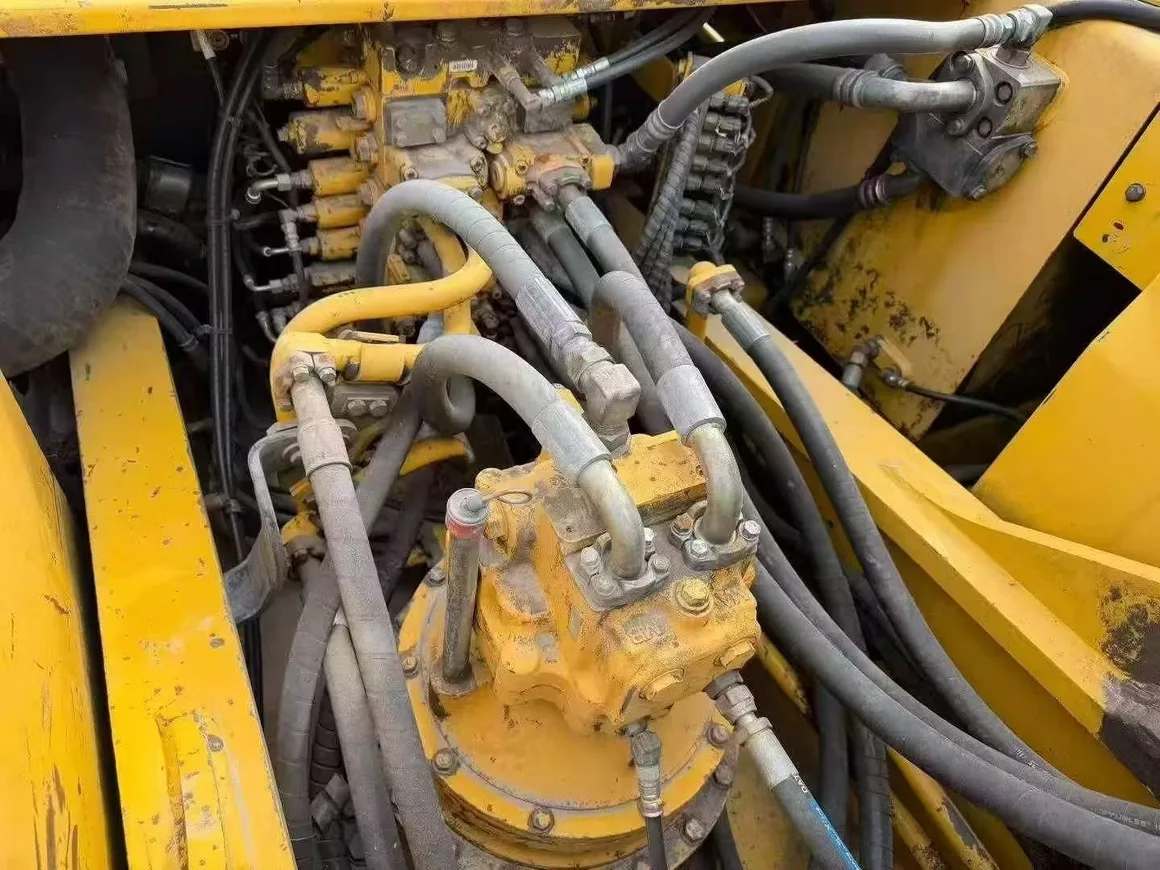
Use three separate budget columns: confirmed work required before use, conditional allowances awaiting diagnosis and future operating maintenance. Price quantities, parts, labor, travel, handling and applicable charges without double-counting work already included by the seller. Komatsu describes oil analysis as information supporting maintenance decisions; a sample report needs machine identification, sampling context and competent interpretation. It does not by itself guarantee a healthy engine or hydraulic system. Avoid treating unknown pump, cylinder or final-drive condition as either zero cost or a confirmed overhaul.
| Budget category | Evidence and pricing basis | How to record it |
|---|---|---|
| Baseline service | Model-specific manual, records and technician recommendation | List confirmed tasks and compatible consumables |
| Undercarriage | Measured wear report, component identities and any replacement evidence | Price only the justified scope; show unresolved items |
| Bucket and linkage wear | Condition findings and compatible teeth, edges, pins or bushings | Separate parts quantities, labor and handling |
| Hydraulics and drivetrain | Diagnostic findings, history and relevant inspection results | Keep diagnosis and conditional repair allowances distinct |
| Fluids and filters | Correct specifications and documented service status | Avoid generic intervals and double-counted replacements |
| Destination preparation | Service-provider quotation, travel, delivery and acceptance scope | Assign the owner and completion evidence |
| Future operation | Project duty and a service plan for the actual machine | Keep operating costs separate from the purchase preparation total |
Assign delivery and first-job responsibilities
Agree who performs and documents pre-shipment work, who inspects it, and which destination service provider will receive the machine. Recheck the agreed condition at handover and obtain a closure record for accepted repairs. Ask about local parts identification and support without assuming another brand’s warranty or service coverage applies. Review inspection and export coordination and separate those charges from local first-service work. Arrival at the port is not the same milestone as acceptance for the first job.
- 1
Identify
Project duty, material, attachments and destination.
- 2
Review
Actual model, serial identity, age evidence and hours records.
- 3
Inspect
Maintenance history and applicable manual/specification references.
- 4
Reconcile
Measured undercarriage findings and evidence for replaced components.
- 5
Accept
Wear-item condition and compatible part references.
Request evidence and a first-service quotation
A useful quotation identifies the task, evidence, scope, compatible parts, labor assumption, exclusions and the condition that closes each open issue. Ask for a diagnosis or inspection price where replacement scope is still unknown. Keep uncertain major work visible in the comparison and discuss what happens if findings change the deal. If the selected unit’s history or preparation scope cannot be established, compare other excavators. The buying decision should reflect your project and actual preparation costs, not an invented standard repair percentage.
- Project duty, material, attachments and destination.
- Actual model, serial identity, age evidence and hours records.
- Maintenance history and applicable manual/specification references.
- Measured undercarriage findings and evidence for replaced components.
- Wear-item condition and compatible part references.
- Relevant diagnostic/oil-analysis records with sampling context if available.
- Itemized parts, labor, travel and inspection quotations with exclusions.
- Confirmed tasks, conditional allowances, responsibilities and acceptance milestones.
Request an itemized equipment quotation
Request a used excavator quotation and preparation breakdown with the intended work, destination and evidence checklist. Ask for documented service status and itemized work before agreeing the purchase scope.
Frequently asked questions
What percentage of the machine price should I reserve for repairs?
There is no reliable universal percentage for an individual used machine. Build the allowance from evidence, diagnosis and quotations; keep unresolved major work explicit.
Does “new undercarriage” eliminate undercarriage costs?
No. Establish which components were replaced and inspect the system as a whole. A marketing statement alone does not establish scope, compatibility or remaining life.
Should all oils and filters be changed immediately?
Follow the actual model’s documentation and a competent recommendation based on the records and condition. Missing history calls for assessment, not a universal replacement instruction.
Can one oil sample certify the engine or hydraulics?
No. Interpretation depends on identification, sampling context and other findings. Oil analysis is supporting evidence rather than a guarantee of overall condition.
How do I compare two differently sized excavators?
First establish which model fits the work. Compare machine-specific preparation budgets only within that project assessment; do not assume equal productivity or maintenance costs.