
Used Construction Equipment Supplier vs Auction vs Rental Fleet: Which Buying Path Is Safest in 2026?
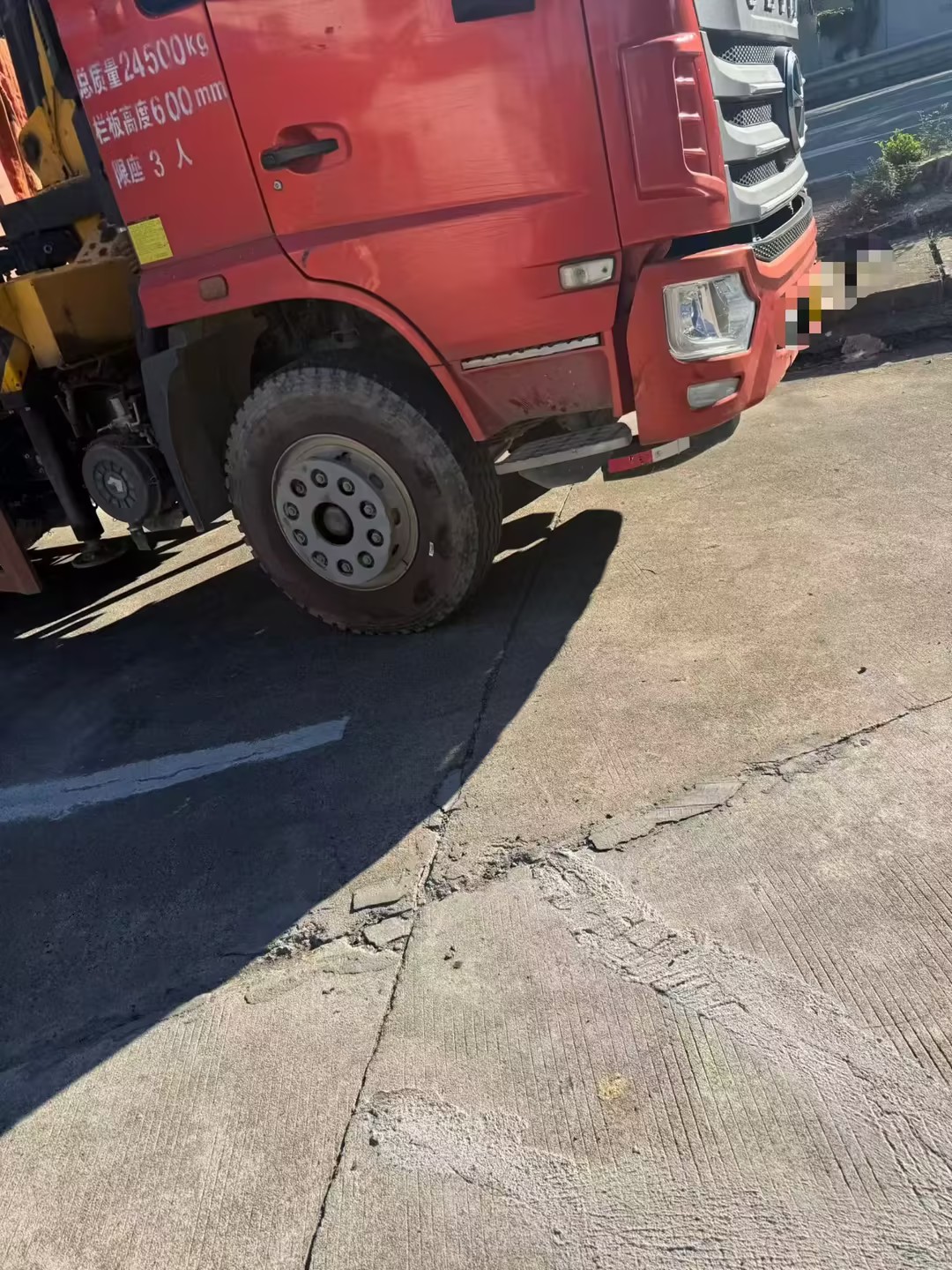
A trend-driven 2026 decision guide for overseas buyers comparing verified suppliers, auctions and rental-fleet disposal channels for used tower cranes, truck cranes, hoists, excavators and jobsite equipment from China.
Expert reviewed by Lee, Construction Machinery Export Advisor
Used equipment sourcing, inspection proof and export documentation specialist at Sxmachine
Lee helps overseas contractors, rental companies and equipment dealers compare verified stock, auction listings and rental-fleet disposal opportunities by evidence quality, total landed cost, inspection standards and export readiness.
Should you buy used construction equipment from a supplier, an auction, or a rental fleet?
Short answer: choose a verified supplier when you need export support, current proof, component scope and after-sale communication. Choose an auction only when you can inspect quickly, price the missing-parts risk and accept limited support. Choose rental-fleet disposal when maintenance records are strong and the machine history is clear, but do not assume rental fleet means low wear.
The 2026 buying trend is not simply "cheap used equipment". It is proof-stack procurement: buyers want photos, videos, serial evidence, maintenance clues, packing scope, export documents and a realistic delivery path before they pay. The safest buying path is the one that turns uncertainty into checkable evidence.
For overseas buyers, the best choice depends on three numbers: proof score, delivery certainty and total landed cost. Machine price alone is no longer enough because freight, financing, insurance, import rules and project schedule can change the real cost quickly.
Why is proof-stack procurement becoming a 2026 trend?
The used machinery market is moving from price-first buying to evidence-first buying. Recent industry reports point to a mixed equipment cycle: global construction equipment demand is improving after the 2024-2025 downturn, while buyers still face inflation, freight uncertainty, financing pressure and cautious fleet investment. In that environment, buyers do not only ask "Is it cheap?" They ask "Can I verify it before payment?"
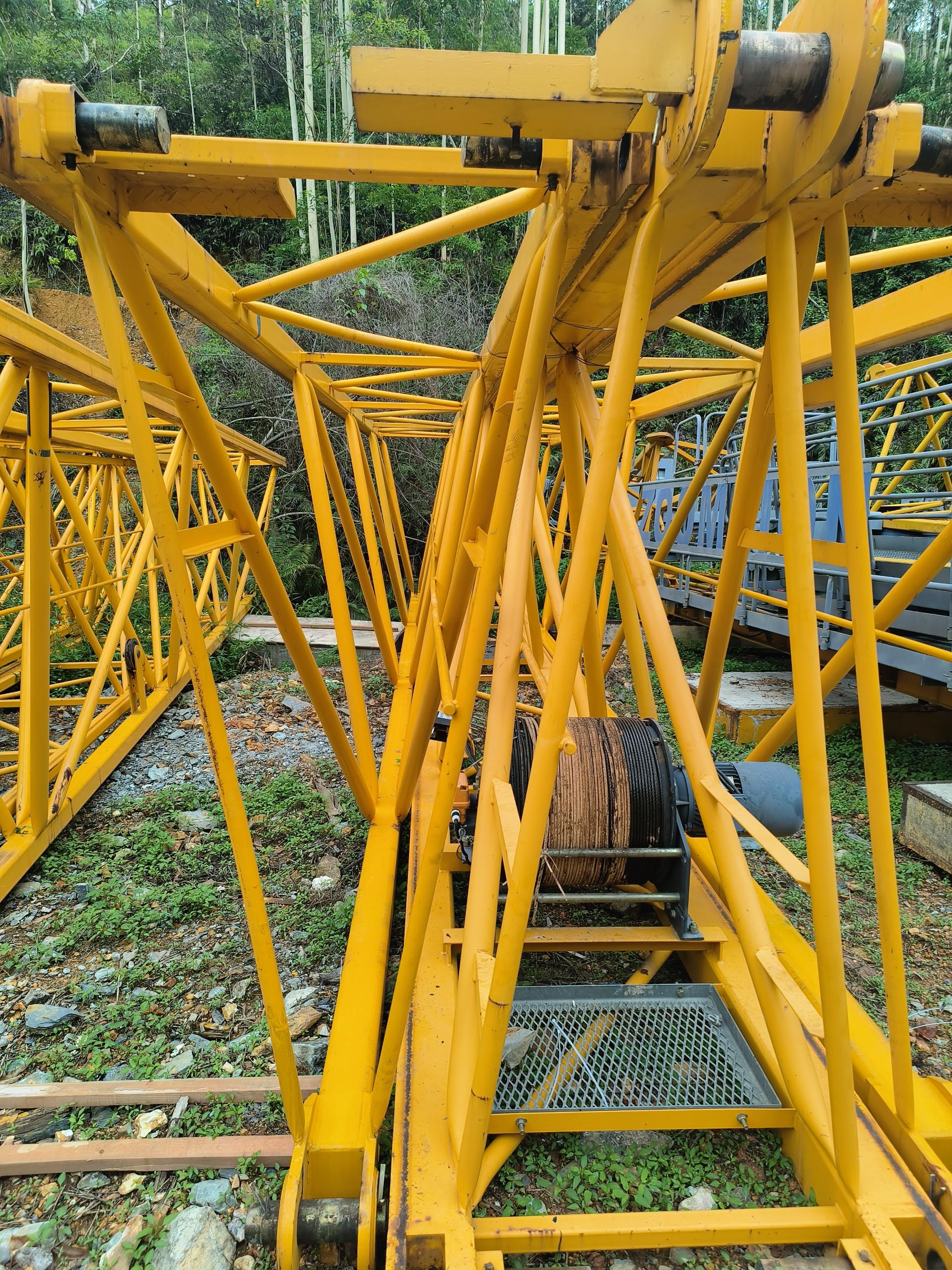
This matters for tower cranes, truck cranes, construction hoists, excavators and jobsite machinery because the visible listing price hides many risks: missing mast sections, incomplete jib scope, hydraulic leakage, weak brakes, unclear counterweight package, no export file, delayed loading or a machine that cannot match the destination project.
The signal is clear: markets with active infrastructure and rental demand still need equipment, but buyers are more selective. A machine with a complete proof file can beat a cheaper machine with unclear history because it reduces schedule risk, payment risk and import risk.
When is a verified supplier the better buying path?
A verified supplier is usually the better path when the buyer needs more than a machine. This includes matching model to project, confirming included components, arranging inspection photos, preparing export documents, coordinating loading and communicating in a way that protects the buyer before balance payment.
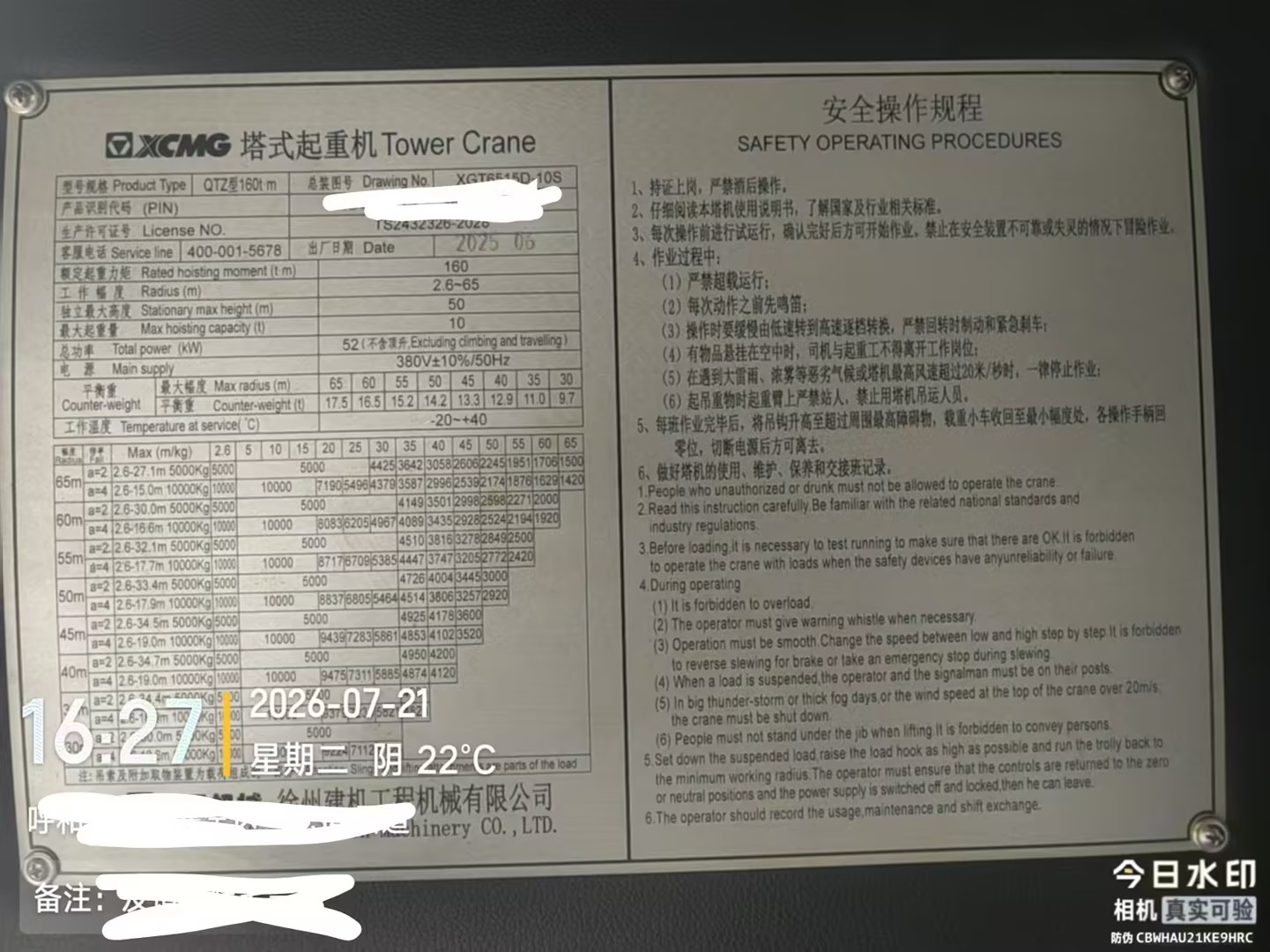
This path fits overseas contractors and dealers who need tower cranes such as XCMG 6515-10, ZOOMLION 5010-4, POTAIN MCT models, construction hoists, truck cranes or excavators with real stock evidence. The supplier route is not always the lowest sticker price, but it can be the lowest risk when delivery timing and documentation matter.
Choose this route if you need a specific load, jib length, mast section, destination voltage, packing scope, serial evidence and shipment file. It is especially useful when the buyer cannot personally inspect the yard before deposit.
When is an auction worth the risk?
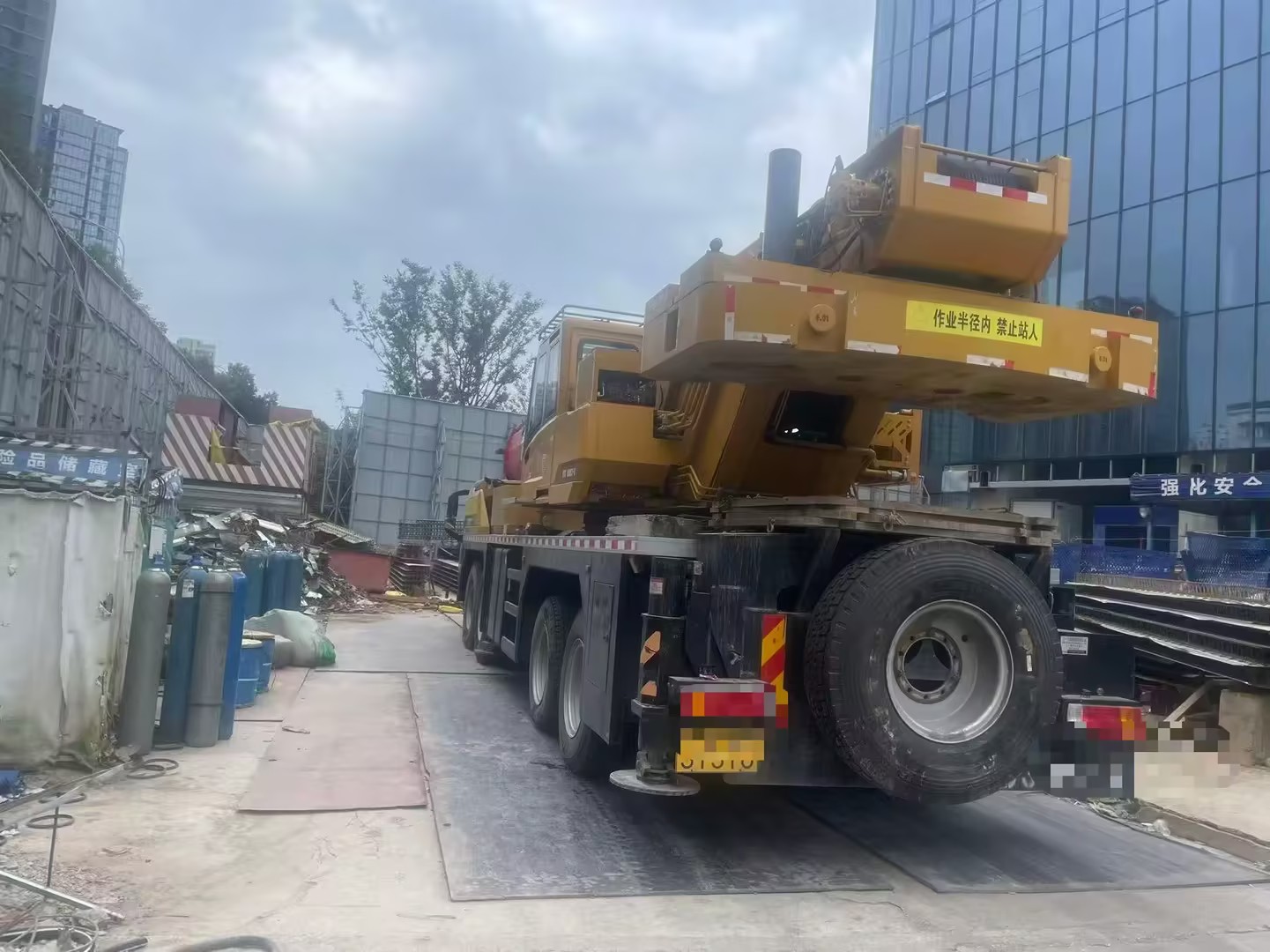
An auction can be attractive when the buyer has local inspection ability, strong technical knowledge and fast decision authority. Auctions can produce good prices, especially when sellers need quick disposal or when demand for a certain machine type is temporarily quiet.
The risk is that the auction price is only the entry ticket. After purchase, the buyer may still face unknown repairs, transport coordination, missing attachments, unclear document support, no loading assistance or limited time to move the machine. For tower cranes, missing sections or incomplete connection parts can turn a cheap unit into an expensive project delay.
Choose auction only when you can answer this question before bidding: if the machine needs repair, missing parts and urgent logistics, is it still cheaper than buying from a supplier with a complete proof file?
Are rental-fleet disposal machines safer than ordinary used equipment?
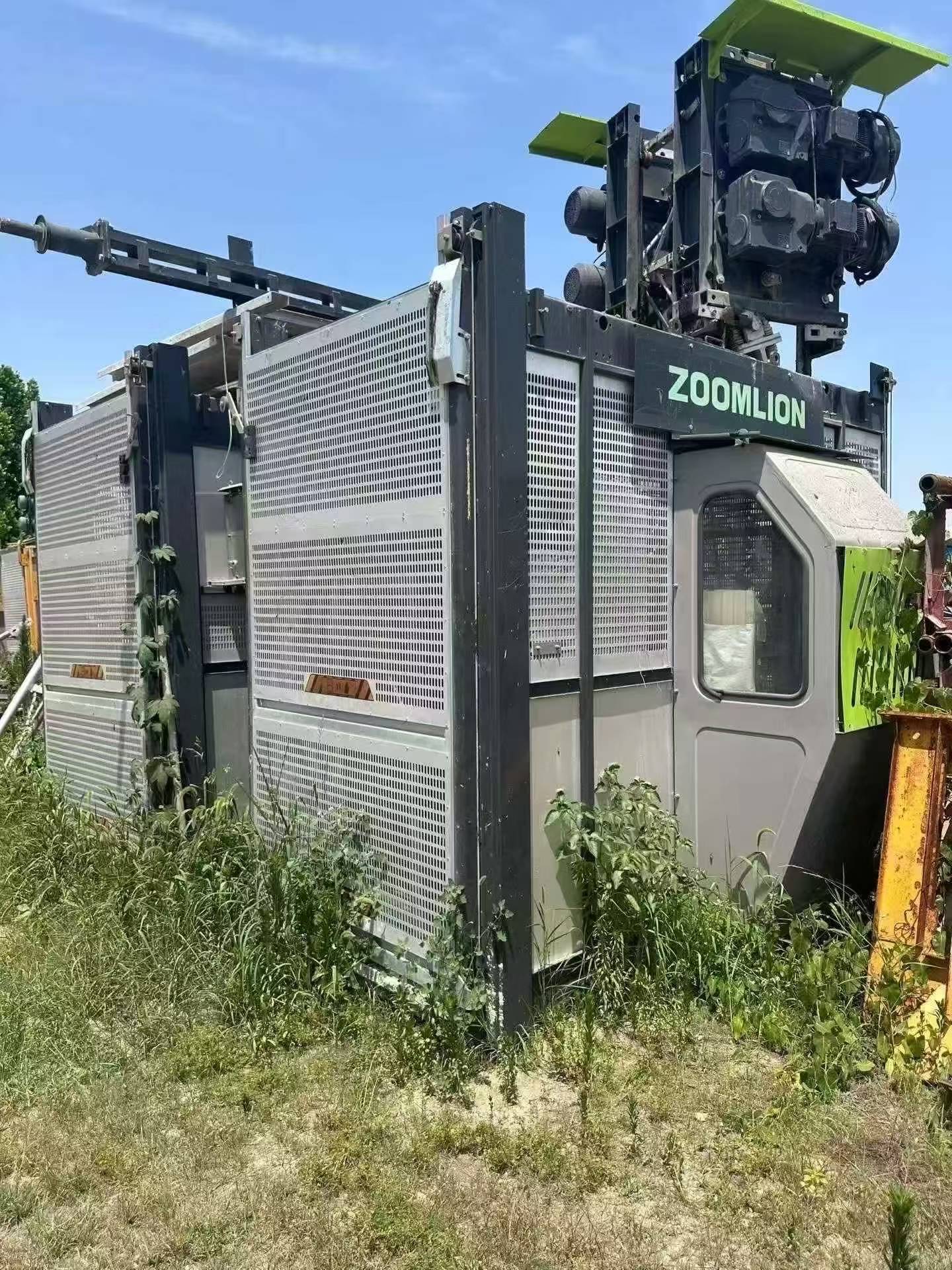
Rental-fleet disposal can be a strong option when maintenance discipline is visible. A rental company may keep service records, planned maintenance routines and clearer usage history than a random owner. This is valuable for cranes, hoists and mobile equipment where brakes, hydraulics, wire ropes, controls and structural fatigue matter.
But rental fleet does not automatically mean light usage. Rental machines may work hard, move often and be repaired just enough to keep earning. The buyer should ask for service records, hour readings where available, recent repair history, accident history, inspection reports, current videos and close-up photos of wear points.
Choose rental-fleet disposal when history is transparent. Avoid it when the seller only says "fleet maintained" without showing records, photos or test evidence.
What are overseas buyers really worried about before paying?
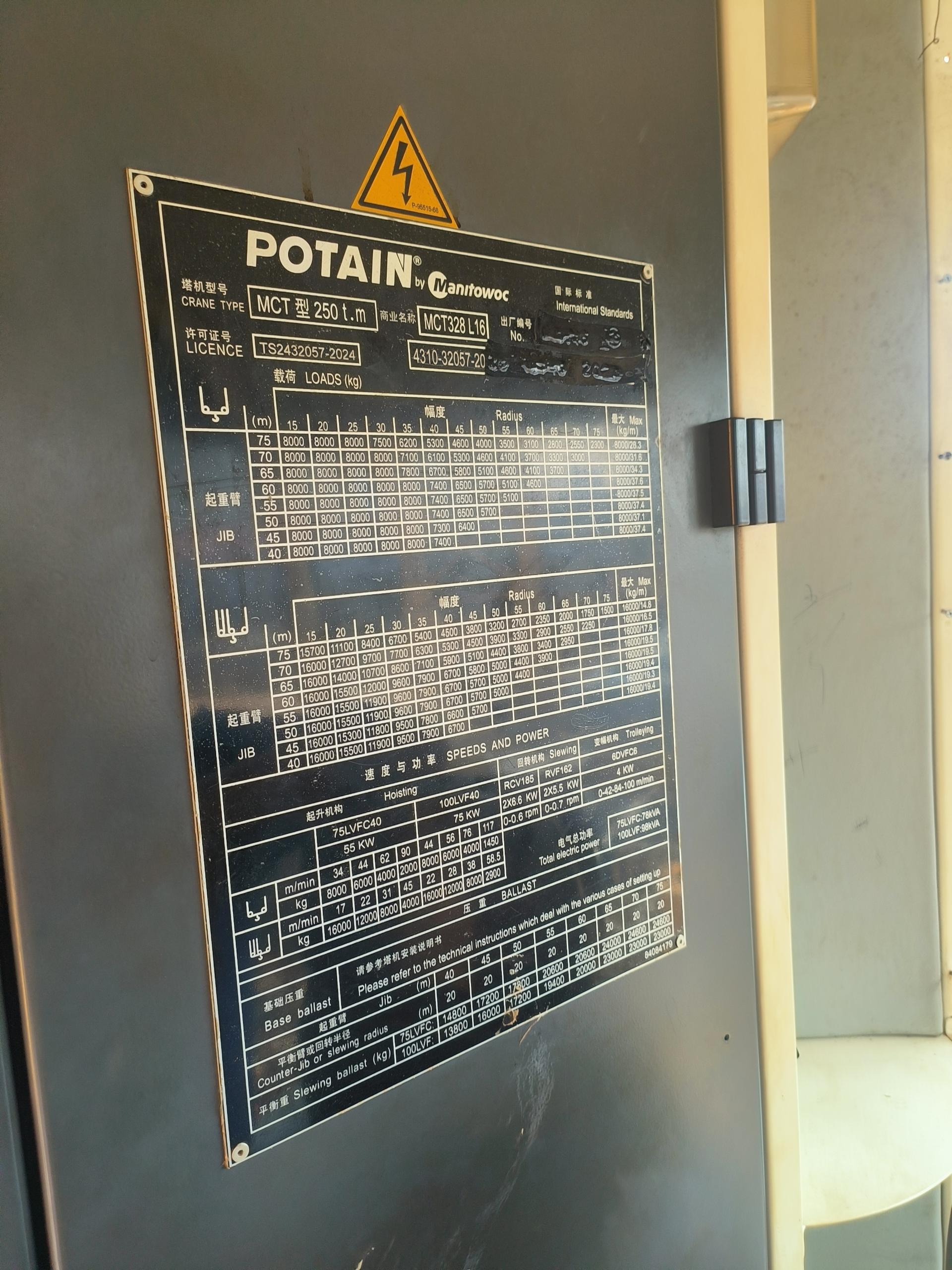
Buyers are not only worried about price. The deeper fears are: will the machine match the project, will the photos be current, will the supplier disappear after deposit, will important parts be missing, will customs documents be ready, will freight timing change, and will the machine pass local acceptance after arrival?
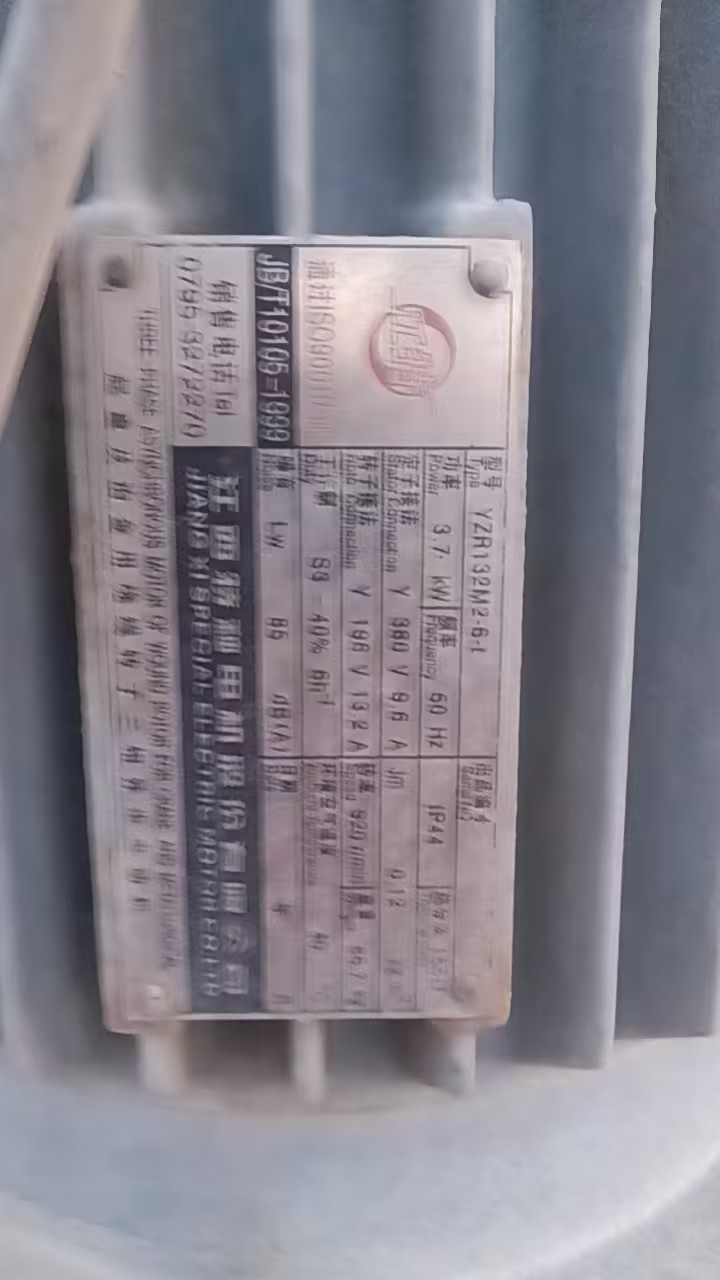
These fears are practical, not emotional. Industry inspection standards point toward checking structure, mechanisms, wire rope, hooks, brakes, controls, safety devices and operating functions. A buyer who asks for these proof points is not being difficult; they are protecting the project.
That is why the best 2026 buying process looks more like a due-diligence file than a product brochure. The seller should help the buyer see the actual machine, the included scope, the test evidence and the export path.
How should you choose the buying path for your project?
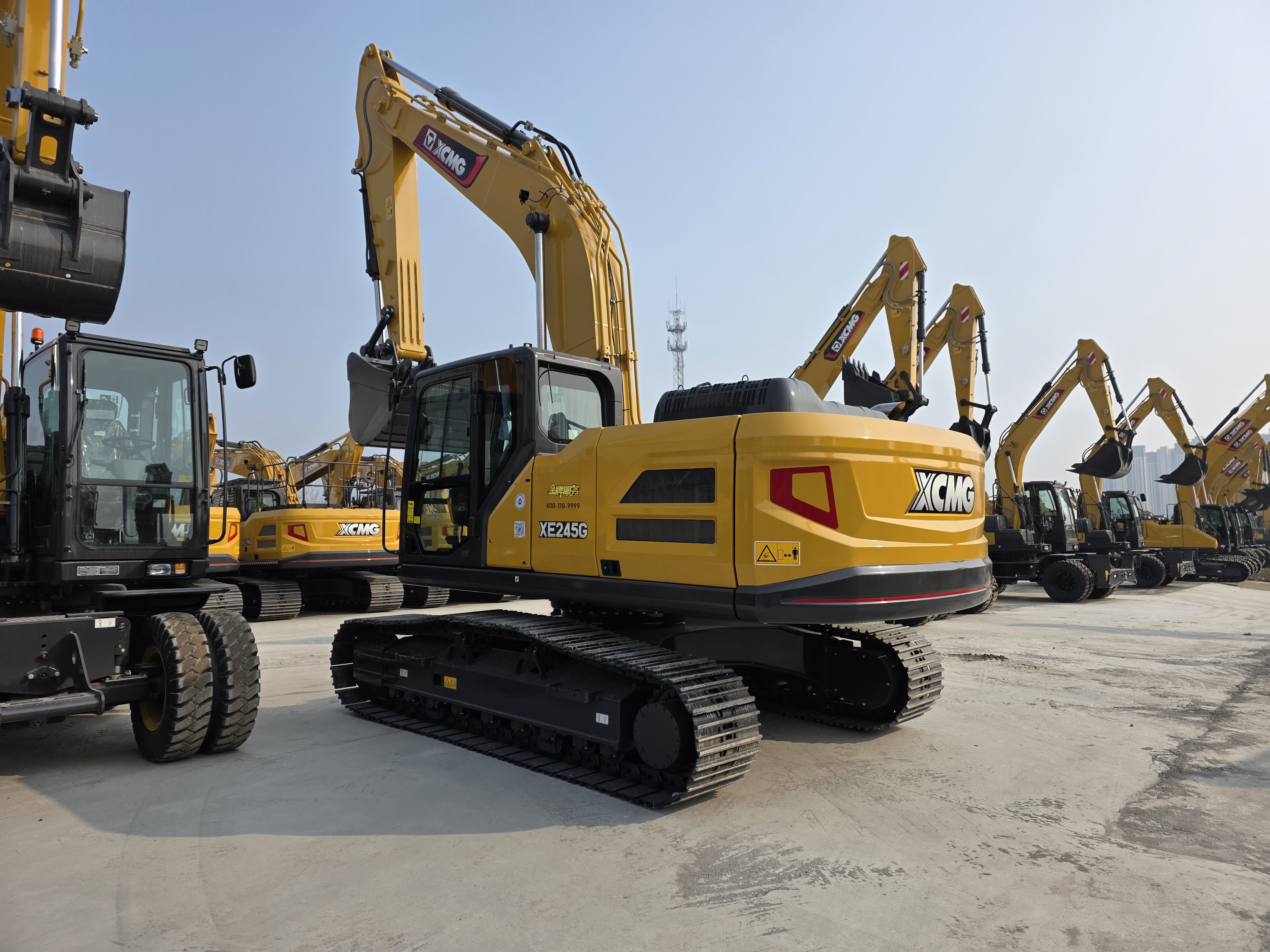
Use this rule: if the machine is project-critical, heavy, hard to replace or export-sensitive, prioritize verified supplier support. If the machine is standard, locally inspectable and not urgent, auction can be considered. If the machine comes from a known fleet with real maintenance evidence, rental-fleet disposal may offer a balanced path.
For Sxmachine buyers, this can be applied naturally. A buyer may compare a 2025 XCMG 6515-10 tower crane, a ZOOMLION 5010-4 tower cap crane, a 2025 XCMG 10t G-series knuckle boom truck-mounted crane, construction hoists or excavators by evidence file first, then by price. That keeps the conversation practical instead of sales-heavy.
The final decision should be based on fit, proof, timing and landed cost. A low price without proof is not a bargain; a higher price with verified scope, test evidence and export coordination may be the safer business decision.
Supplier vs auction vs rental-fleet disposal: 2026 buying path comparison
| Decision point | Verified supplier | Auction | Rental-fleet disposal |
|---|---|---|---|
| Best for | Export buyers who need proof, documents and shipment support | Experienced buyers who can inspect and move fast | Buyers who value maintenance history and known usage |
| Main advantage | Clearer machine scope, evidence file and communication | Potentially lower upfront price | Possible service records and fleet maintenance discipline |
| Main risk | May not be the lowest sticker price | Limited support, hidden repair and missing-parts risk | Hard working life if fleet utilization was high |
| Proof needed | Current photos, videos, component list, serial evidence, loading plan | Independent inspection, bid conditions, removal deadline, repair estimate | Maintenance records, usage history, current test video, accident disclosure |
| Best machine types | Tower cranes, hoists, truck cranes, excavators and export-sensitive equipment | Standard equipment with easy local inspection | Fleet machines with regular maintenance and clear records |
| Choose when | Project timing, export file and payment safety matter | You can price risk before bidding | Records are real and condition matches the price |
Proof-stack score by buying path
Verified supplier with real stock evidence
Strongest route for overseas buyers who need inspection support, export documents and loading coordination
Rental-fleet disposal with service records
Good option when maintenance evidence is complete and the machine is not overworked
Auction with independent inspection
Can work for experienced buyers, but only if repair and removal risk are priced before bidding
Cheap listing without proof
High-risk route because missing parts, old photos and unclear ownership can erase any price saving
2026 evidence-first buying workflow
Define the work
Confirm machine type, load, height, radius, hour limit, site timing, destination port and import requirements.
Choose the channel
Compare supplier, auction and rental-fleet disposal based on how much proof and support your project needs.
Build the proof stack
Collect current photos, operating video, serial evidence, component scope, maintenance clues and visible wear-point checks.
Price the landed cost
Add repair reserve, missing parts, inland transport, loading, freight, insurance, duties and first service after arrival.
Tie payment to evidence
Use deposit, inspection, loading photos and document milestones to reduce payment risk before final balance.
Used equipment channel-selection checklist
Used construction equipment inspection proof and export loading preparation video
FAQ
Is buying used construction equipment from an auction cheaper?
It can be cheaper upfront, but the final cost may rise if inspection, repairs, missing parts, transport, loading and export documents are not controlled before bidding.
What makes a used equipment supplier safer than an auction?
A supplier can usually support current photos, videos, component scope, document preparation, loading coordination and communication after deposit. That support is valuable for overseas buyers.
Are rental fleet machines always better maintained?
Not always. Some rental fleets maintain machines well, but fleet machines may also work hard. Ask for maintenance records, current videos, close-up photos and visible condition evidence.
What is the best buying path for used tower cranes from China?
For overseas buyers, a verified supplier is usually safer because tower cranes require component matching, mast and jib scope checks, loading coordination and export documentation.
How can I reduce risk before paying a deposit?
Request current photos, operation videos, serial evidence, included component list, export document plan and payment milestones linked to inspection and loading evidence.
Related product pages
Want to compare supplier, auction and rental-fleet options before you pay?
Send your target machine type, project requirement, destination port and buying timeline. Sxmachine can prepare a proof-stack comparison with real stock photos, inspection points, included scope and export timing.
Request a proof-stack comparisonReferences
- Off-Highway Research Global Annual Review, 8 April 2026
- KHL: Reset or rebound looking forward in 2026, 15 January 2026
- IPAF 2025 rental market reports, 3 July 2025
- Fortune Business Insights construction equipment rental market, updated 31 August 2026
- OSHA cranes and derricks in construction
- ASME B30 crane safety standards
- ISO 9927 crane inspections overview