
Used Excavator for Sale from China 2026: Inspection Checklist, Model Comparison and Export Workflow
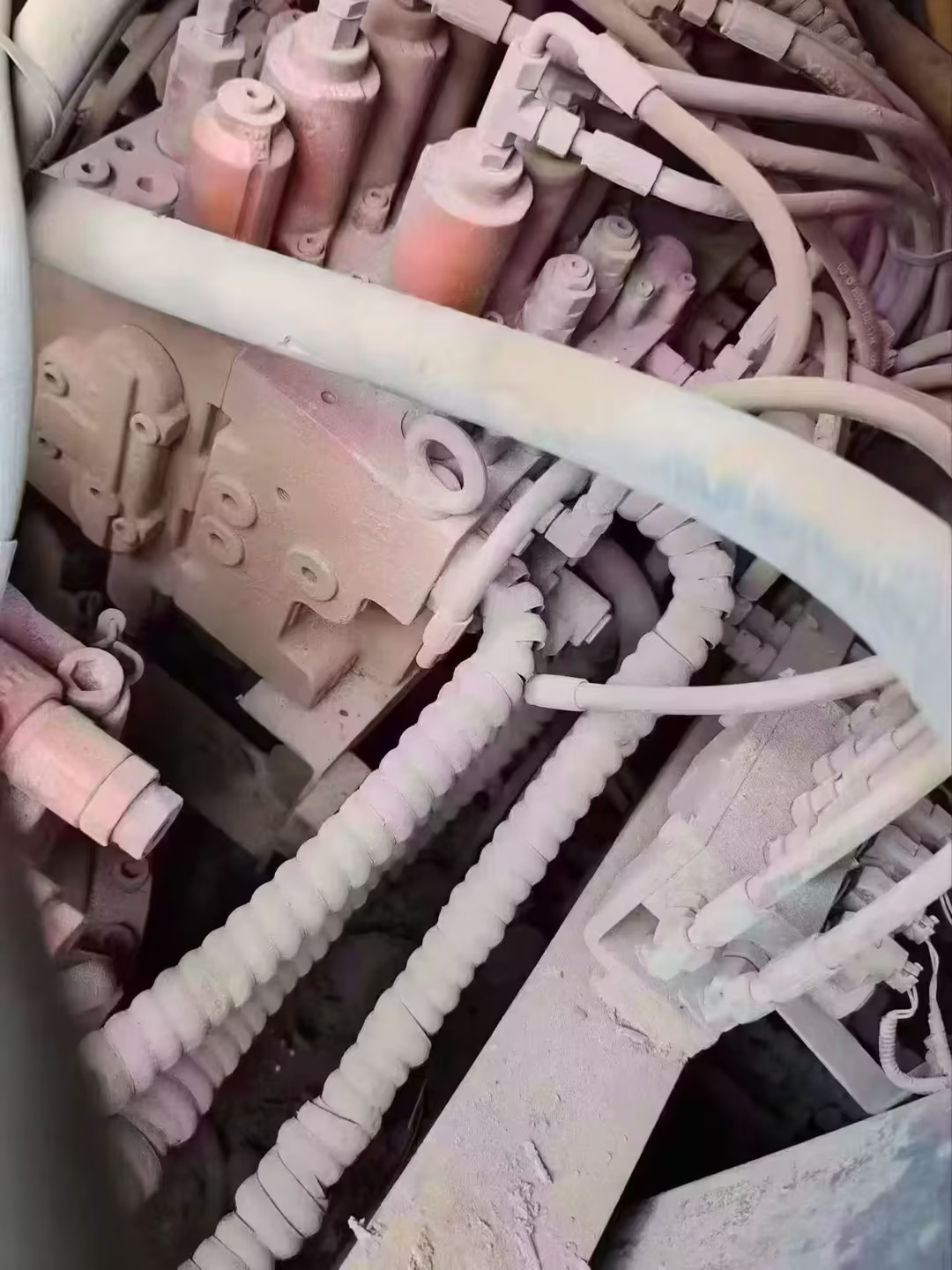
A practical 2026 used excavator buying guide for overseas buyers comparing used LIUGONG 920, Komatsu PC360 and other crawler excavators from China, with real photos, undercarriage checks, hydraulic inspection points, model comparison, export workflow, video, expert review, FAQ schema and a printable PDF checklist.
Expert reviewed by Lee, Used Excavator Export Consultant
Used construction machinery sourcing and export documentation specialist at Sxmachine
Lee helps overseas contractors and dealers compare used excavators by real machine condition, undercarriage wear, hydraulic performance, working hours, inspection evidence, shipping plan and destination-market documentation.
What the best used excavator guides explain - and what buyers still need
Strong industry articles from manufacturers and auction platforms usually agree on the basics: check the undercarriage, look for hydraulic leaks, confirm operating hours and test the machine under load. That advice is useful, but overseas buyers also need a sourcing plan that proves the machine is real, documents its condition and connects inspection results to export delivery.
For buyers sourcing from China, the best decision is not simply the cheapest machine. A better decision is the machine with clear photos, serial number evidence, working videos, realistic repair allowance, export documents and a supplier who can load the excavator safely for sea freight.
Choose the excavator size before you compare prices
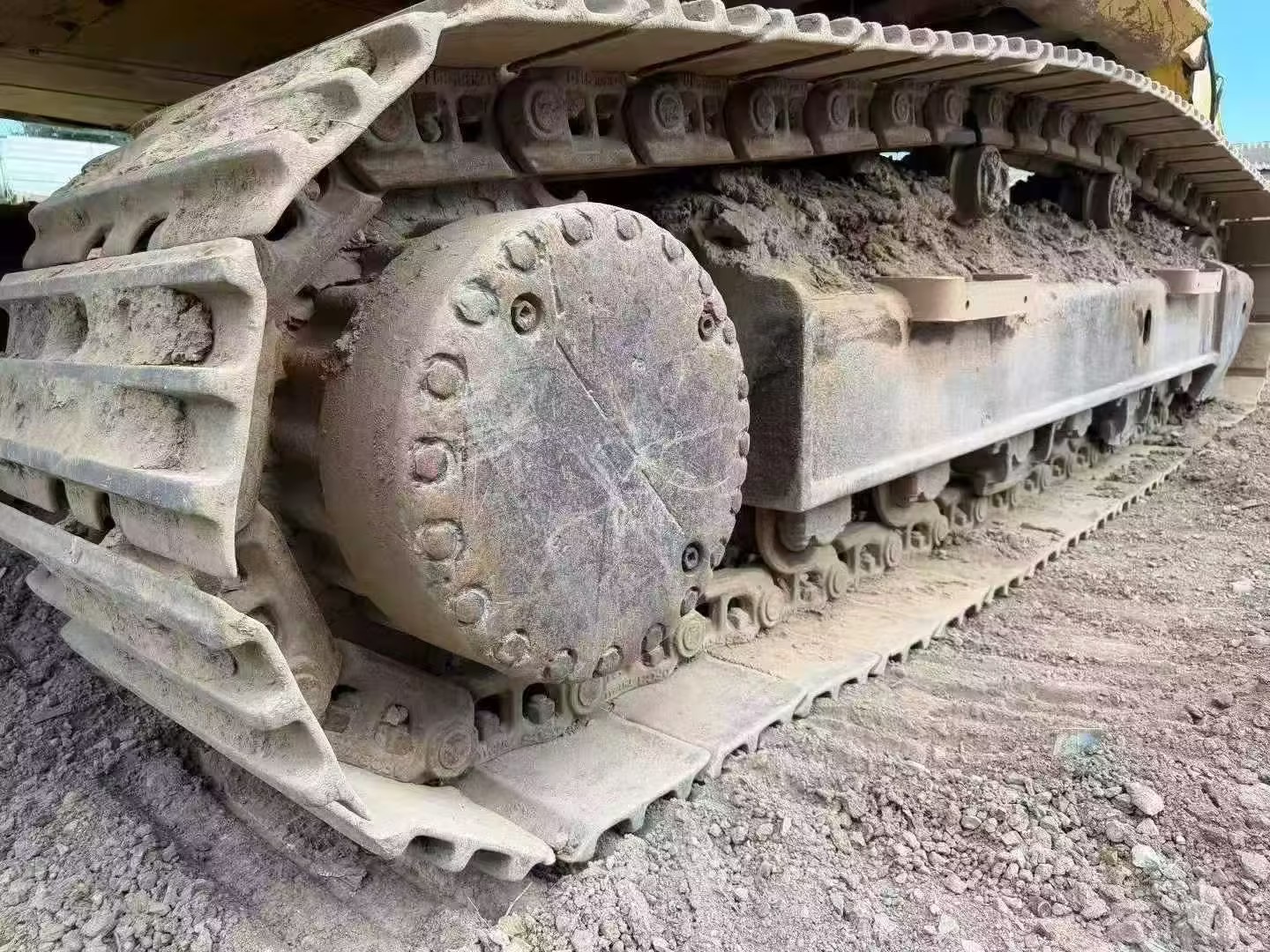
A 20-ton class excavator is easier to move and is often suitable for general earthmoving, road work, utilities and municipal projects. A 30-ton to 36-ton class machine costs more to ship and maintain, but it can deliver better productivity for quarry, mining, foundation and heavy earthwork jobs.
In practical sourcing, buyers often compare a value-focused Chinese 20-ton unit such as a LIUGONG 920 with heavier international-brand machines such as Komatsu PC360. The right answer depends on daily workload, operator skill, spare parts access and how much downtime the project can tolerate.
Inspection checklist: undercarriage, hydraulics, engine and structure
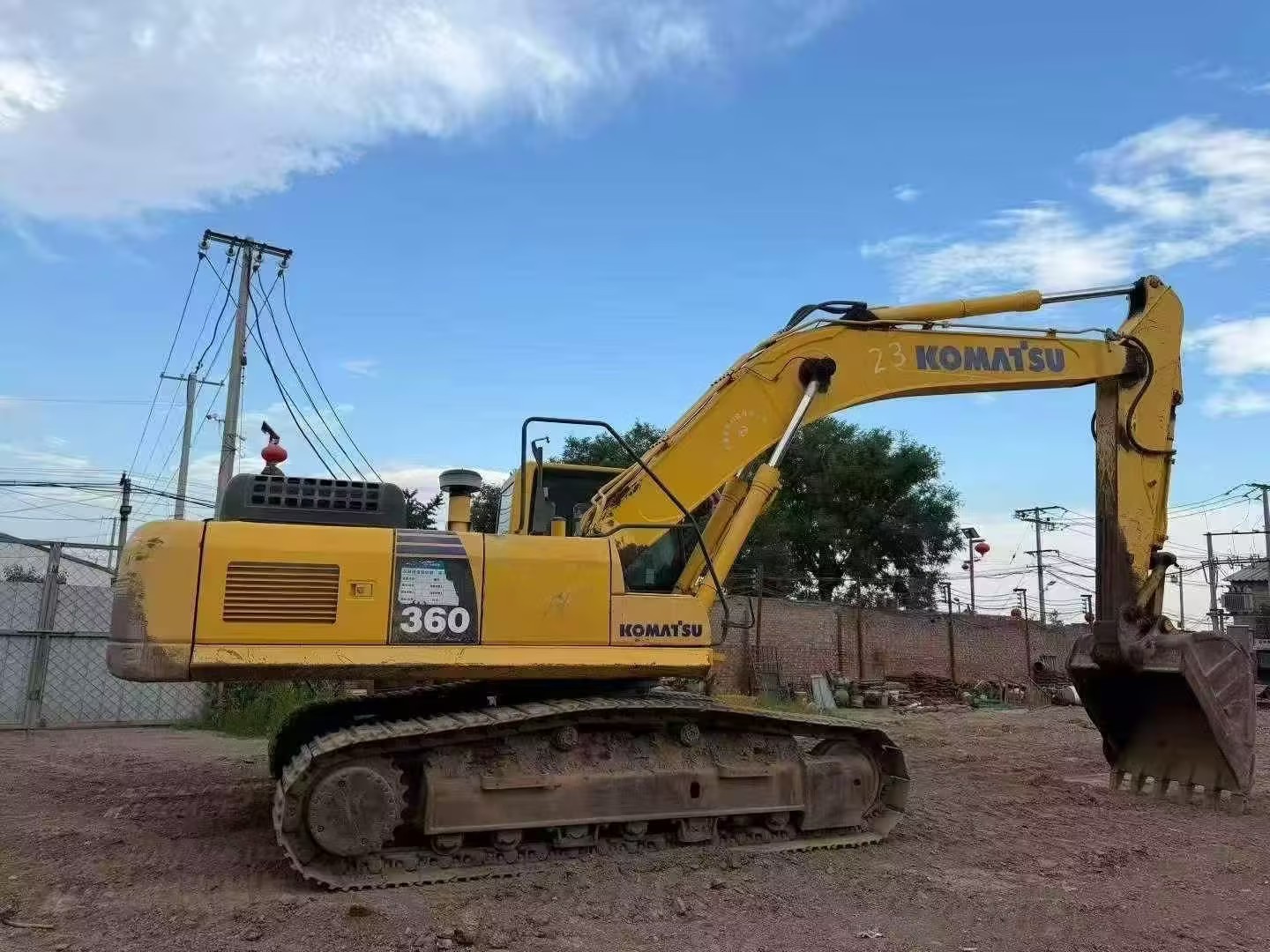
The undercarriage can consume a large share of future maintenance budget, so inspect track chains, pads, rollers, idlers, sprockets and final drives carefully. Uneven wear, cracked shoes, leaking final drives or loose track frames can turn a low purchase price into an expensive repair.
For the hydraulic system, inspect cylinders, rods, hoses, pumps and valve blocks for oil leaks, dents, scratches and slow response. During video inspection, ask the supplier to lift the boom, extend the arm, curl the bucket, swing both directions and travel forward and backward while the camera records sound and movement.
Engine checks should include cold start, exhaust smoke, oil condition, coolant condition, abnormal vibration and idle stability. For the structure, check boom foot, arm welds, bucket pins, swing bearing play, cab, monitor, air conditioning and safety alarms.
Price is only one line in the real landed cost
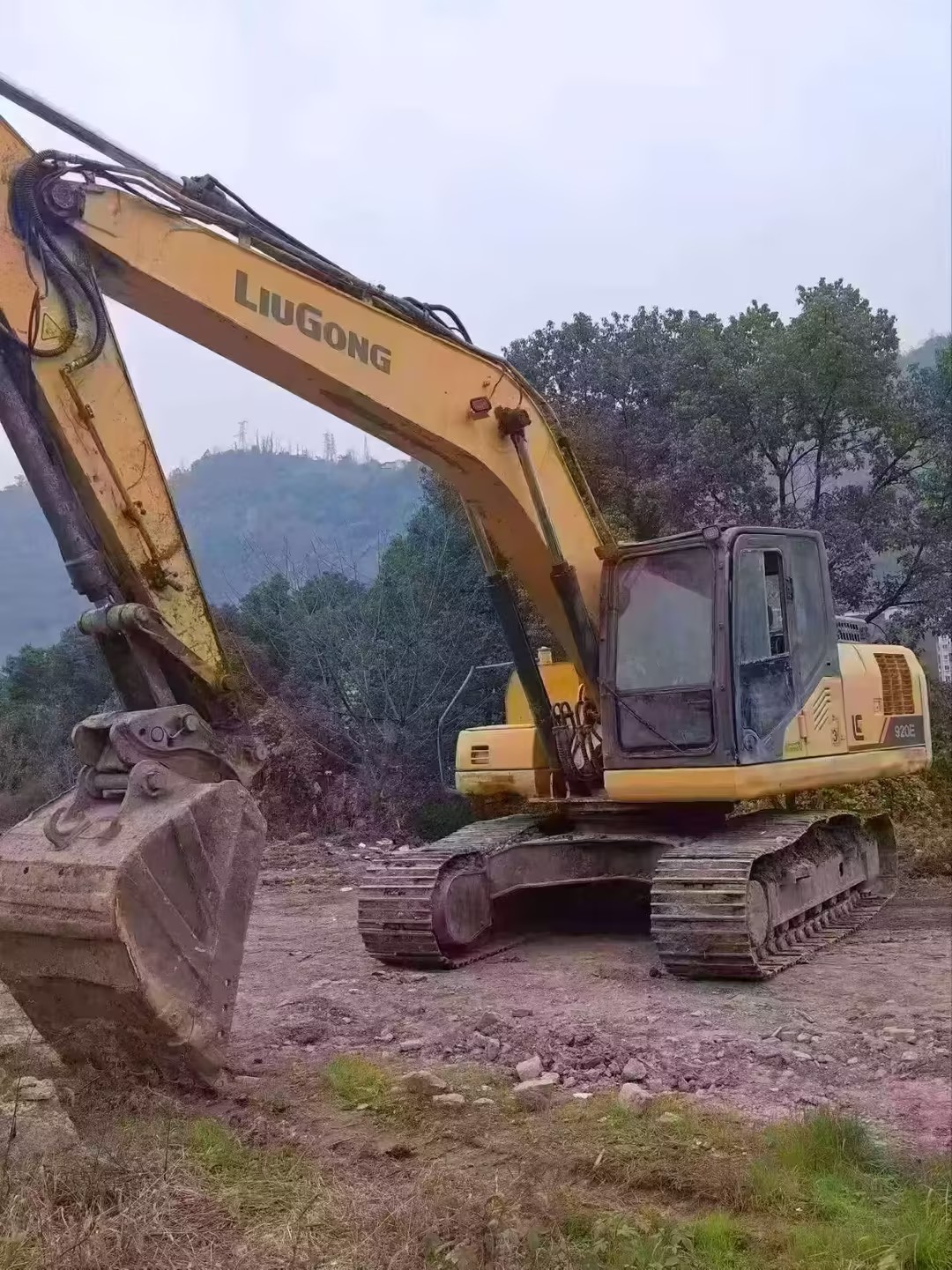
A professional quotation should separate machine price, repair or repainting scope, local trucking, port charges, container or flat-rack loading, export documents and destination shipping terms. This makes the offer easier to compare with auction prices and dealer quotes.
If a listing has few photos, no serial plate, unclear hours or no video test, treat the lower price as a risk signal. For international buyers, evidence quality matters because a return is usually unrealistic after shipment.
Used excavator inspection checklist before payment
| Inspection area | What to check | Why it matters | Evidence to request |
|---|---|---|---|
| Undercarriage | Track chain, shoes, rollers, idlers, sprockets, final drives | Major wear can create high repair cost after arrival | Close photos from both sides and travel video |
| Hydraulic system | Cylinders, hoses, pump noise, valve response, oil leaks | Leaks or slow movement can indicate expensive repair | Full-function working video under load |
| Engine | Cold start, smoke, oil, coolant, belts, idle stability | Engine repair can delay project startup | Cold-start video and engine-room photos |
| Swing and travel | Swing bearing play, travel speed, abnormal noise | Hidden movement issues affect safety and productivity | Video showing swing left-right and forward-reverse travel |
| Boom, arm and bucket | Welds, cracks, pins, bushings, bucket teeth | Structural damage reduces resale value and reliability | Detailed photos of stress points and pin areas |
| Cab and electronics | Monitor, joystick, AC, alarms, lights, seat and glass | Operator comfort and fault codes affect daily use | Cab walkaround and monitor startup photo |
| Documents | Serial plate, model, year, invoice and export documents | Correct documents reduce customs and registration risk | Serial plate photo and proforma invoice |
| Shipping readiness | Dimensions, weight, detachable parts and lashing plan | Incorrect loading can damage the machine or raise freight cost | Loading photos and packing list |
20-ton vs 36-ton used excavator buying priorities
LIUGONG 920 - 20 ton value choice
Balanced purchase cost and easier logistics
Komatsu PC360 - heavy-duty class
Higher productivity for demanding earthmoving
Low-price listing with weak evidence
Attractive price but higher inspection risk
Verified export-ready unit
Best balance of condition proof and delivery certainty
Used excavator export buying workflow
Confirm job needs
Tonnage, bucket size, working condition, budget and destination port
Check real condition
Photos, serial plate, hour meter, cold start and full-function video
Compare total cost
Machine price, repair scope, local transport, port charge and freight
Confirm documents
Invoice, packing list, export declaration and required destination files
Load and ship
Container, flat rack or bulk shipment with loading photos and lashing check
Used construction machinery inspection and export loading overview
FAQ
How many hours is acceptable for a used excavator?
Hours are useful but not enough by themselves. A well-maintained high-hour excavator with clean hydraulics and a good undercarriage may be better than a low-hour unit with poor maintenance records or visible leaks.
Is undercarriage condition more important than engine hours?
For crawler excavators, undercarriage condition is one of the most important cost factors. Always inspect tracks, rollers, idlers, sprockets and final drives before comparing prices.
Can I buy a used excavator from China by video inspection?
Yes, but the video should be structured. Ask for cold start, engine sound, full hydraulic movement, swing, travel, cab monitor, serial plate and close-up photos of wear points.
What documents are needed to export a used excavator?
Common documents include commercial invoice, packing list, export declaration, bill of lading and machine details. Some destinations may require additional inspection, cleaning or import files.
Should I choose a LIUGONG 920 or a Komatsu PC360?
Choose LIUGONG 920 for a value-focused 20-ton class machine and easier logistics. Choose Komatsu PC360 when the project needs heavier digging productivity and can support higher freight and maintenance cost.
Can used excavators ship by container?
Some smaller excavators can ship by container after parts are removed, but larger machines often need flat rack, roll-on/roll-off or bulk shipment. Confirm dimensions and loading plan before payment.